The leaky gut healing diet is a science-backed approach to restore gut health by repairing the intestinal lining, reducing inflammation, and rebalancing the gut microbiome. Leaky gut syndrome, or increased intestinal permeability, allows toxins and bacteria to pass into the bloodstream, potentially causing digestive issues, fatigue, and systemic inflammation. With up to 80% of the immune system residing in the gut, according to research (Source), a targeted diet can significantly improve symptoms and overall wellness. This article explores the best foods, nutrients, and strategies for a leaky gut healing diet, offering practical tips to naturally support gut repair.
Understanding Leaky Gut Syndrome
Leaky gut occurs when the tight junctions in the intestinal lining become compromised, allowing harmful substances to leak into the bloodstream. This can trigger inflammation, food sensitivities, autoimmune conditions, and symptoms like bloating, diarrhea, fatigue, and brain fog. Common causes include poor diet, stress, medications (e.g., NSAIDs), and dysbiosis (imbalanced gut bacteria).
The leaky gut healing diet focuses on:
- Reducing Inflammation: Anti-inflammatory foods calm the gut and systemic responses.
- Repairing the Gut Lining: Nutrients like glutamine and zinc support tissue repair.
- Restoring Microbiome Balance: Probiotics and prebiotics promote beneficial bacteria.
- Eliminating Triggers: Avoiding irritants like gluten and processed foods prevents further damage.
By addressing these areas, a leaky gut healing diet promotes digestive health and overall vitality.
Why a Leaky Gut Healing Diet Matters
A leaky gut healing diet is crucial because it:
- Alleviates Symptoms: Reduces bloating, gas, and digestive discomfort.
- Boosts Immunity: Supports the gut-associated lymphoid tissue (GALT), enhancing immune function (Source).
- Improves Energy and Mood: Decreases systemic inflammation, reducing fatigue and brain fog.
- Prevents Chronic Conditions: May lower the risk of autoimmune diseases and allergies linked to leaky gut (Source).
This diet is ideal for those with digestive issues, food sensitivities, or chronic fatigue, offering a natural path to gut restoration.
Key Components of a Leaky Gut Healing Diet
Below are the core components of a leaky gut healing diet, supported by science, with practical tips for implementation.
1. Eliminate Trigger Foods
Certain foods can exacerbate leaky gut by irritating the gut lining or promoting inflammation. Common triggers include gluten, dairy, processed sugars, and artificial additives.
A 2019 study in Frontiers in Immunology linked gluten to increased intestinal permeability in sensitive individuals (Source).
How to Implement:
- Avoid gluten-containing grains (wheat, barley, rye) for 4–8 weeks.
- Eliminate dairy (milk, cheese) or opt for lactose-free alternatives like almond milk.
- Remove processed foods, sugary drinks, and artificial sweeteners.
- Check labels for hidden additives like carrageenan or MSG.
2. Consume Bone Broth (Glutamine, Collagen)
Bone broth is rich in glutamine, collagen, and gelatin, which repair the gut lining and reduce inflammation. Glutamine supports enterocyte (gut cell) regeneration, while collagen strengthens tight junctions.
A 2017 study in Journal of Clinical Gastroenterology found that collagen peptides improved gut barrier function in animal models (Source).
How to Include:
- Sip 1 cup of bone broth daily as a snack or meal base.
- Use bone broth in soups, stews, or sauces for added flavor.
- Choose homemade or low-sodium store-bought options.
- Aim for 1–2 servings (1 cup) daily.
3. Eat Fermented Foods (Probiotics)
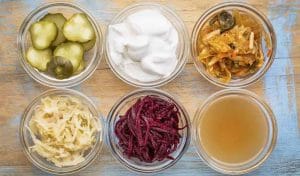
Fermented foods like yogurt, kefir, sauerkraut, and kimchi provide probiotics, which restore gut microbiome balance and reduce inflammation. A healthy microbiome strengthens the gut barrier.
A 2021 study in Nutrients showed that probiotics improved gut barrier function and reduced leaky gut symptoms (Source).
How to Include:
- Eat ½–1 cup of plain Greek yogurt or kefir with berries daily.
- Add ¼ cup of sauerkraut or kimchi to salads or bowls.
- Choose unsweetened, live-culture products for maximum probiotic content.
- Aim for 1–2 servings daily.
4. Include Prebiotic Foods (Fiber)
Prebiotic foods like garlic, onions, asparagus, and bananas feed beneficial gut bacteria, promoting microbiome diversity and gut repair. Fiber also reduces inflammation and supports digestion.
A 2020 study in Gut Microbes found that prebiotic fiber improved gut barrier integrity in humans (Source).
How to Include:
- Add ½ cup of roasted asparagus or onions to meals.
- Include 1–2 cloves of garlic in cooking daily.
- Snack on 1 banana or ½ cup of berries for prebiotic fiber.
- Aim for 25–30 grams of fiber daily from prebiotic sources.
5. Prioritize Anti-Inflammatory Fats (Omega-3s)
Omega-3 fatty acids in fatty fish, flaxseeds, and walnuts reduce gut and systemic inflammation, supporting leaky gut repair. Healthy fats also aid nutrient absorption.
A 2018 study in Journal of Translational Medicine linked omega-3 supplementation to reduced intestinal permeability (Source).
How to Include:
- Eat 2–3 servings of fatty fish (salmon, mackerel) weekly (3–4 oz).
- Add 1–2 tbsp of ground flaxseeds to smoothies or oatmeal.
- Snack on ¼ cup of walnuts for omega-3s and antioxidants.
- Aim for 1–2 servings of omega-3-rich foods daily.
6. Consume Zinc-Rich Foods
Zinc, found in pumpkin seeds, oysters, and lean meats, supports gut lining repair and immune function. It strengthens tight junctions and reduces inflammation.
A 2019 study in Nutrients showed that zinc supplementation improved gut barrier function in patients with leaky gut (Source).
How to Include:
- Snack on ¼ cup of pumpkin seeds daily (10 mg zinc).
- Include 3 oz of lean beef or oysters in meals 1–2 times weekly.
- Add zinc-rich chickpeas (½ cup) to salads or soups.
- Aim for 8–11 mg zinc daily (women: 8 mg, men: 11 mg).
7. Eat Low-Glycemic Fruits (Antioxidants)
Berries, apples, and pears provide antioxidants like polyphenols, which reduce oxidative stress and inflammation in the gut. Low-glycemic fruits prevent blood sugar spikes that can exacerbate leaky gut.
A 2020 study in Antioxidants linked berry consumption to reduced gut inflammation (Source).
How to Include:
- Add ½–1 cup of blueberries or raspberries to yogurt or smoothies.
- Snack on 1 apple or pear with almond butter.
- Use frozen berries for cost-effective, year-round access.
- Aim for 1–2 servings (½ cup) daily.
8. Incorporate Turmeric (Curcumin)
Turmeric’s active compound, curcumin, has potent anti-inflammatory and antioxidant properties, reducing gut inflammation and supporting barrier repair.
A 2021 study in Nutrients found that curcumin improved gut barrier function in animal models (Source).
How to Include:
- Add ½–1 tsp of turmeric to soups, curries, or smoothies with black pepper.
- Brew turmeric tea with ginger and honey for a soothing drink.
- Use fresh or ground turmeric in cooking for maximum benefits.
- Aim for 1–2 servings (½ tsp) daily.
9. Choose Gut-Supportive Proteins
Lean proteins like chicken, turkey, and eggs provide amino acids (e.g., glutamine) for gut repair and muscle maintenance. They also stabilize blood sugar, reducing gut stress.
A 2017 study in American Journal of Clinical Nutrition linked adequate protein intake to improved gut health (Source).
How to Include:
- Include 3–4 oz of grilled chicken or turkey in meals.
- Eat 1–2 eggs (boiled or poached) for breakfast or snacks.
- Use plant-based proteins like lentils if vegetarian.
- Aim for 0.8–1.2 g protein per kg body weight daily.
10. Stay Hydrated
Adequate hydration supports digestion, nutrient absorption, and toxin elimination, reducing gut inflammation and promoting repair. Water also prevents constipation, a common leaky gut symptom.
A 2018 study in Nutrients linked proper hydration to improved gut health and reduced inflammation (Source).
How to Include:
- Drink 8–12 cups (2–3 liters) of water daily, adjusting for activity and climate.
- Infuse water with lemon, cucumber, or mint for flavor.
- Include hydrating foods like cucumber, watermelon, or zucchini.
- Monitor urine color (pale yellow indicates good hydration).
How to Implement a Leaky Gut Healing Diet
To effectively adopt a leaky gut healing diet, follow these practical strategies:
1. Build a Gut-Friendly Plate
Aim for a plate that’s:
- 50% Vegetables/Fruits: Leafy greens, zucchini, berries.
- 25% Lean Protein: Chicken, fish, eggs, or tofu.
- 25% Whole Grains or Starchy Veggies: Quinoa, sweet potatoes.
- Healthy Fats: Olive oil, avocado, or nuts for nutrient absorption.
2. Plan Nutrient-Dense Meals
- Breakfast: Smoothie with spinach, berries, kefir, and flaxseeds.
- Lunch: Quinoa bowl with zucchini, chickpeas, and tahini dressing.
- Dinner: Grilled salmon, sautéed kale, and sweet potato.
- Snacks: Apple with almond butter, cucumber with hummus, or yogurt.
3. Follow an Elimination Phase
- Phase 1 (Weeks 1–4): Remove gluten, dairy, sugar, and processed foods to identify triggers.
- Phase 2 (Weeks 5–8): Reintroduce foods one at a time (e.g., dairy) to assess tolerance.
- Track Symptoms: Use a food diary to note bloating, energy, or mood changes.
4. Prep in Advance
- Batch-cook bone broth, grains, or roasted veggies for quick meals.
- Freeze berries or spinach for smoothies to save time.
- Portion nuts/seeds into small containers for easy snacking.
5. Support Digestion
- Chew food thoroughly to aid digestion and nutrient absorption.
- Eat slowly and avoid distractions to enhance gut-brain signaling.
- Space meals 3–4 hours apart to prevent gut overload.
Sample 7-Day Leaky Gut Healing Diet Plan
Here’s a 7-day plan to implement a leaky gut healing diet:
- Monday:
- Breakfast: Smoothie (1 cup spinach, ½ cup berries, 1 cup kefir, 1 tbsp flaxseeds) – 300 calories, probiotics.
- Snack: 1 apple + 10 almonds (150 calories, fiber).
- Lunch: Quinoa salad (1 cup quinoa, 2 cups zucchini, ½ avocado, lemon dressing) – 400 calories, prebiotics.
- Snack: 1 cup cucumber with hummus (100 calories, hydrating).
- Dinner: Grilled salmon (4 oz), sautéed kale (1 cup), sweet potato (½ cup) – 400 calories, omega-3s.
- Drinks: 3 liters water, 1 cup bone broth.
- Tuesday:
- Breakfast: Greek yogurt (1 cup) with raspberries and chia seeds – 300 calories, probiotics.
- Snack: 1 pear + ¼ cup pumpkin seeds (150 calories, zinc).
- Lunch: Lentil soup (1 cup lentils, 1 cup spinach, turmeric) with zucchini – 400 calories, anti-inflammatory.
- Snack: ½ cup sauerkraut (80 calories, probiotics).
- Dinner: Grilled chicken (4 oz), roasted asparagus (1 cup), quinoa (½ cup) – 400 calories, glutamine.
- Drinks: 3 liters water, 1 cup turmeric tea.
- Wednesday:
- Breakfast: Smoothie (1 cup kale, ½ banana, 1 tbsp flaxseeds, almond milk) – 300 calories, fiber.
- Snack: 1 orange + 10 walnuts (150 calories, vitamin C).
- Lunch: Veggie bowl (1 cup brown rice, 2 cups roasted cauliflower, tahini dressing) – 400 calories, prebiotics.
- Snack: 1 cup blueberries (80 calories, antioxidants).
- Dinner: Baked cod (4 oz), sautéed spinach (1 cup), wild rice (½ cup) – 400 calories, omega-3s.
- Drinks: 3 liters water, 1 cup bone broth.
- Thursday:
- Breakfast: Overnight oats (½ cup oats, 1 cup kefir, ½ cup strawberries) – 350 calories, probiotics.
- Snack: 1 cucumber + 2 tbsp hummus (100 calories, hydrating).
- Lunch: Turkey salad (4 oz turkey, 2 cups arugula, ½ avocado, olive oil dressing) – 400 calories, protein.
- Snack: ½ cup watermelon (80 calories, hydrating).
- Dinner: Tofu stir-fry (½ cup tofu, 1 cup broccoli, quinoa) – 400 calories, zinc.
- Drinks: 3 liters water, 1 cup ginger tea.
- Friday:
- Breakfast: Smoothie (1 cup spinach, ½ cup raspberries, 1 cup almond milk, chia seeds) – 300 calories, antioxidants.
- Snack: 1 apple + ¼ cup almonds (150 calories, fiber).
- Lunch: Salmon salad (4 oz salmon, 2 cups mixed greens, lemon dressing) – 400 calories, omega-3s.
- Snack: 1 cup carrots with guacamole (100 calories, beta-carotene).
- Dinner: Grilled chicken (4 oz), roasted zucchini (1 cup), sweet potato (½ cup) – 400 calories, glutamine.
- Drinks: 3 liters water, 1 cup bone broth.
- Saturday:
- Breakfast: Greek yogurt (1 cup) with blueberries and flaxseeds – 300 calories, probiotics.
- Snack: 1 pear + ¼ cup pumpkin seeds (150 calories, zinc).
- Lunch: Quinoa bowl (1 cup quinoa, 2 cups kale, ¼ cup chickpeas, tahini dressing) – 400 calories, fiber.
- Snack: ½ cup kimchi (80 calories, probiotics).
- Dinner: Baked cod (4 oz), sautéed asparagus (1 cup), wild rice (½ cup) – 400 calories, omega-3s.
- Drinks: 3 liters water, 1 cup turmeric tea.
- Sunday:
- Breakfast: Smoothie (1 cup kale, ½ cup strawberries, 1 cup kefir, chia seeds) – 300 calories, probiotics.
- Snack: 1 orange + 10 walnuts (150 calories, vitamin C).
- Lunch: Lentil salad (1 cup lentils, 2 cups spinach, olive oil dressing) – 400 calories, prebiotics.
- Snack: 1 cup cucumber with hummus (100 calories, hydrating).
- Dinner: Grilled turkey (4 oz), roasted broccoli (1 cup), quinoa (½ cup) – 400 calories, protein.
- Drinks: 3 liters water, 1 cup bone broth.
This plan delivers 1,200–1,500 calories daily, balancing nutrients for a leaky gut healing diet.
Additional Lifestyle Tips for Leaky Gut Healing
A leaky gut healing diet is most effective when paired with lifestyle changes:
- Manage Stress: Practice 10–20 minutes of yoga, meditation, or deep breathing daily to lower cortisol, which can worsen leaky gut (Source).
- Exercise Moderately: Engage in 150 minutes of moderate exercise (e.g., walking, swimming) weekly to support gut motility and reduce inflammation.
- Prioritize Sleep: Aim for 7–9 hours nightly, as poor sleep disrupts the gut microbiome (Source).
- Avoid NSAIDs: Limit non-steroidal anti-inflammatory drugs (e.g., ibuprofen), which can increase intestinal permeability (Source).
- Limit Alcohol: Keep intake to 1 drink daily for women, 2 for men, as alcohol can disrupt the gut barrier (Source).
- Stay Consistent: Follow the diet for 4–8 weeks to see significant improvements, tracking symptoms like bloating or energy.
Safety and Considerations
A leaky gut healing diet is safe for most healthy adults, but consider:
- Medical Conditions: Those with kidney disease, SIBO, or autoimmune disorders should consult a doctor, as high-fiber or fermented foods may exacerbate symptoms (Source).
- Allergies: Substitute fish, nuts, or dairy with alternatives (e.g., seeds for nuts, tofu for fish) if allergic.
- Pregnancy/Breastfeeding: Increase calorie and nutrient intake; consult a dietitian for tailored plans (Source).
- Medications: High-fiber foods may reduce absorption of drugs like antibiotics. Take meds 1–2 hours before or after meals.
- FODMAP Sensitivity: If sensitive to prebiotics (e.g., garlic, onions), start with low-FODMAP options like zucchini and consult a dietitian (Source).
Consult a healthcare provider or dietitian before starting, especially if you have digestive disorders or take medications.
Diet vs. Supplements for Leaky Gut Healing
While a leaky gut healing diet emphasizes whole foods, supplements like L-glutamine, zinc, or probiotics may be considered:
- Foods: Provide synergistic nutrients, fiber, and phytochemicals with minimal risk. Ideal for sustainable gut repair.
- Supplements: Offer concentrated doses but may cause side effects (e.g., bloating from probiotics). Best for targeted support or under medical supervision.
- Example: Bone broth and yogurt provide glutamine and probiotics naturally, while L-glutamine (5–10 g) may support severe cases (Source).
Whole foods are the foundation, with supplements as a complement if needed.
Potential Challenges and Solutions
Implementing a leaky gut healing diet may present challenges. Here’s how to overcome them:
- Challenge: Cost: Fresh produce and fish can be expensive.
- Solution: Buy frozen veggies/berries, canned fish, and bulk grains for affordability.
- Challenge: Time: Preparing meals is time-consuming.
- Solution: Batch-cook bone broth, grains, or soups; use pre-washed greens for quick salads.
- Challenge: Cravings: Sugar or gluten cravings may arise.
- Solution: Pair fruits with nuts for sweetness, use zucchini noodles for pasta alternatives.
- Challenge: Dietary Restrictions: Vegan or gluten-free diets may limit options.
- Solution: Use tofu or lentils for protein, gluten-free grains like quinoa.
Future Directions in Leaky Gut Nutrition
Research into the leaky gut healing diet is advancing:
- Microbiome Therapies: Probiotics, prebiotics, and postbiotics are being studied for their role in gut barrier repair (Source).
- Personalized Nutrition: Genetic factors (e.g., HLA-DQ genes) may influence gut permeability, warranting tailored diets.
- Gut-Brain Axis: The link between leaky gut and mental health (e.g., anxiety, depression) is an emerging field (Source).
- Plant-Based Diets: Vegan leaky gut diets are gaining traction for their anti-inflammatory benefits.
These advancements could refine dietary strategies for leaky gut healing.
Practical Example: Leaky Gut Healing Diet in Action
Consider Emma, a 35-year-old office worker with bloating and fatigue, suspecting leaky gut. She follows the leaky gut healing diet for 8 weeks:
- Routine: Eliminates gluten, dairy, and sugar; eats 2–3 cups of vegetables, 1 cup of berries, and ½ cup of fermented foods daily; includes bone broth and fish.
- Diet: Breakfast smoothies with kale, kefir, and berries; lunches with quinoa, zucchini, and chickpeas; dinners with salmon or tofu and spinach.
- Lifestyle: Practices yoga, sleeps 8 hours nightly, and avoids NSAIDs.
- Results: By week 8, Emma’s bloating decreases by 70%, energy improves, and brain fog clears significantly.
Emma’s experience shows how a leaky gut healing diet can transform gut health and vitality.
Conclusion
A leaky gut healing diet offers a science-backed approach to restore gut health, reduce inflammation, and enhance overall wellness. By prioritizing bone broth, fermented foods, prebiotics, and anti-inflammatory nutrients, this diet repairs the gut lining and rebalances the microbiome. Paired with stress management, moderate exercise, and quality sleep, it’s a powerful tool for alleviating symptoms like bloating and fatigue. Whether you’re addressing digestive issues or seeking optimal health, this diet empowers you to heal naturally.
We’d love to hear from you! Have you tried a leaky gut healing diet, or are you curious about starting? Share your experiences or questions in the comments below—we’re excited to keep the conversation going! Please note that this article is for informational purposes only and does not constitute medical advice. Always consult a healthcare professional before starting any dietary plan or if you have concerns about gut health.