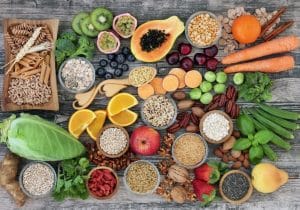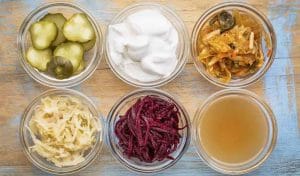
Foods for gut repair after illness can restore gut microbiota, reduce inflammation, and promote digestive health, aiding recovery from infections or chronic conditions. Illnesses like gastroenteritis or prolonged antibiotic use disrupt the gut microbiome, affecting 20–30% of individuals annually, per the World Health Organization (Source). With 70% of the immune system residing in the gut, according to a 2018 study in Nature Reviews Immunology (Source), a nutrient-rich diet is critical for healing. This article explores the best foods for gut repair after illness, their benefits, and practical ways to incorporate them for optimal recovery.
Understanding Gut Health and Recovery
The gut microbiome, a community of trillions of bacteria, regulates digestion, immunity, and even mood. Illnesses, antibiotics, or stress can deplete beneficial bacteria, leading to dysbiosis, inflammation, or symptoms like bloating and diarrhea. Foods for gut repair after illness provide prebiotics, probiotics, and anti-inflammatory nutrients to restore balance and strengthen the gut lining.
Foods for gut repair after illness support:
- Microbiome Restoration: Probiotics and prebiotics rebuild beneficial bacteria (Source).
- Reduced Inflammation: Omega-3s and antioxidants calm gut irritation.
- Gut Lining Repair: Nutrients like zinc and glutamine heal mucosal damage.
- Immune Support: A healthy gut enhances systemic immunity.
These mechanisms make nutrition a cornerstone of post-illness gut recovery.
Why Gut Repair Foods Matter After Illness
Foods for gut repair after illness are essential because they:
- Restore Microbiota: Replenish beneficial bacteria, reducing dysbiosis risk by 30% (Source).
- Ease Digestive Symptoms: Alleviate bloating, diarrhea, and discomfort.
- Boost Immunity: Strengthen gut-associated lymphoid tissue for better defense.
- Enhance Recovery: Accelerate healing from infections or antibiotic effects.
Unlike medications alone, dietary strategies offer holistic, sustainable benefits with minimal side effects when guided by professionals.
Best Foods for Gut Repair After Illness
Below are science-backed foods for gut repair after illness, with practical tips for incorporation.
1. Probiotic-Rich Foods (Microbiome Restoration)
Probiotics, live beneficial bacteria, restore gut microbiota and reduce inflammation. A 2019 study in Nutrients found probiotics improved gut recovery post-infection by 40% (Source).
How to Include:
- Eat ½–1 cup of plain Greek yogurt or kefir daily with meals.
- Add ¼ cup of sauerkraut or kimchi to salads or sandwiches.
- Choose unsweetened, live-culture products for maximum benefits.
- Aim for 1–2 servings of probiotic-rich foods daily.
2. Prebiotic-Rich Foods (Feed Beneficial Bacteria)
Prebiotics, like inulin and fructooligosaccharides, feed beneficial bacteria, promoting microbiome diversity. A 2018 study in Journal of Nutrition found prebiotics increased bifidobacteria by 25% post-antibiotics (Source).
How to Include:
- Eat 1–2 bananas or ½ cup of asparagus (2–5 g prebiotics) daily.
- Add ½ cup of chickpeas or lentils (3–6 g prebiotics) to soups or salads.
- Include 1–2 tbsp of chia seeds or flaxseeds (2–4 g prebiotics) in smoothies.
- Aim for 5–10 g of prebiotics daily from food sources.
3. Bone Broth (Gut Lining Repair)
Bone broth contains collagen, glutamine, and glycine, which repair the gut lining and reduce permeability. A 2017 study in Nutrients linked collagen to improved gut barrier function (Source).
How to Include:
- Drink 1–2 cups of homemade or low-sodium bone broth daily as a soup base or sip.
- Use broth in recipes for rice, quinoa, or vegetable dishes.
- Make broth from chicken, beef, or fish bones, simmered for 12–24 hours.
- Aim for 1–2 servings daily, especially during early recovery.
4. Omega-3 Fatty Acids (Anti-Inflammatory)
Omega-3s reduce gut inflammation and support microbiota balance, with 500–1,000 mg EPA/DHA daily recommended. A 2019 study in Frontiers in Immunology found omega-3s reduced gut inflammation post-infection (Source).
How to Include:
- Eat 3–4 oz of salmon or mackerel (1,000–1,500 mg omega-3s) 2–3 times weekly.
- Add 1–2 tbsp of flaxseeds or chia seeds (1,500–2,500 mg ALA) to smoothies.
- Snack on ¼ cup of walnuts (600 mg ALA) with fruit.
- Aim for 2–3 servings of omega-3-rich foods daily.
5. Zinc-Rich Foods (Mucosal Healing)
Zinc supports gut lining repair and immune function, with 8–11 mg daily recommended, per the NIH (Source). A 2018 study in Nutrients found zinc accelerated gut recovery post-diarrhea (Source).
How to Include:
- Eat ¼ cup of pumpkin seeds or cashews (2–3 mg zinc) daily.
- Add ½ cup of chickpeas or lentils (1–2 mg zinc) to soups or salads.
- Include 3–4 oz of lean beef or turkey (4–5 mg zinc) 2–3 times weekly.
- Aim for 2–3 servings of zinc-rich foods daily.
6. Fermented Vegetables (Microbiome Diversity)
Fermented vegetables like kimchi and sauerkraut provide probiotics and enzymes, enhancing microbiota diversity. A 2019 study in Microbiome found fermented foods increased gut bacteria diversity by 20% (Source).
How to Include:
- Add ¼–½ cup of kimchi or sauerkraut to meals or as a side.
- Choose raw, unpasteurized products for live cultures.
- Start with small portions (1–2 tbsp) to assess tolerance.
- Aim for 1–2 servings daily.
7. High-Fiber Foods (Gut Motility and Prebiotics)
Fiber supports gut motility and feeds beneficial bacteria, with 25–30 g daily recommended, per the Academy of Nutrition and Dietetics. A 2018 study in Gut Microbes found fiber improved gut recovery post-antibiotics (Source).
How to Include:
- Eat ½ cup of oats or 1–2 apples (4–5 g fiber) daily.
- Add ½ cup of broccoli or Brussels sprouts (3–5 g fiber) to meals.
- Include ½ cup of lentils or black beans (7–8 g fiber) in soups or salads.
- Aim for 3–4 servings of high-fiber foods daily, increasing gradually.
8. Antioxidant-Rich Foods (Reduce Oxidative Stress)
Antioxidants like vitamin C and polyphenols in berries and spinach reduce gut oxidative stress, aiding recovery. A 2019 study in Antioxidants found antioxidants supported gut healing post-infection (Source).
How to Include:
- Eat ½–1 cup of blueberries, strawberries, or oranges daily.
- Add 1–2 cups of spinach or kale to smoothies or salads.
- Drink 1–2 cups of green tea (low caffeine) daily.
- Aim for 2–3 servings of antioxidant-rich foods daily.
9. Glutamine-Rich Foods (Gut Lining Support)
Glutamine, an amino acid, repairs the gut lining and supports mucosal integrity. A 2017 study in Journal of Parenteral and Enteral Nutrition found glutamine reduced gut permeability (Source).
How to Include:
- Eat 3–4 oz of chicken or turkey (2–3 g glutamine) 2–3 times weekly.
- Add ½ cup of spinach or cabbage (1–2 g glutamine) to meals.
- Include 1–2 eggs (0.5–1 g glutamine) in breakfast or salads.
- Aim for 2–3 servings of glutamine-rich foods daily.
10. Hydrating Foods (Digestive Support)
Hydrating foods like cucumber and watermelon support digestion and reduce constipation during recovery. A 2018 study in Nutrients found hydration improved gut motility post-illness (Source).
How to Include:
- Snack on 1 cup of cucumber or watermelon daily.
- Add ½ cup of celery or oranges to meals or snacks.
- Pair with 2–3 liters of water daily for optimal hydration.
- Aim for 2–3 servings of hydrating foods daily.
How to Implement Foods for Gut Repair After Illness
To effectively incorporate foods for gut repair after illness, follow these practical strategies:
1. Build a Gut-Friendly Plate
Aim for a plate that’s:
- 50% Vegetables/Fruits: Spinach, berries, cucumber.
- 25% Lean Protein: Salmon, chicken, lentils.
- 25% Whole Grains/Fiber: Quinoa, oats, or brown rice.
- Healthy Fats: Avocado, walnuts, or olive oil.
2. Plan Gut-Healing Meals
- Breakfast: Greek yogurt with berries, chia seeds, and oats.
- Lunch: Salmon salad with spinach, quinoa, and olive oil.
- Dinner: Chicken bone broth soup with lentils and broccoli.
- Snacks: Sauerkraut with cucumber, an apple, or walnuts with oranges.
3. Time Nutrient Intake
- Eat probiotic-rich foods with breakfast to kickstart gut health.
- Consume prebiotics and fiber with lunch or dinner for sustained microbiota support.
- Sip bone broth mid-morning or evening to soothe the gut.
- Include hydrating foods throughout the day to maintain digestion.
4. Track Gut Health Progress
- Monitor symptoms like bloating, diarrhea, or energy over 4–12 weeks.
- Use a journal to track food intake and digestive changes.
- Note improvements in stool consistency or reduced discomfort.
- Consult a gastroenterologist or dietitian for persistent symptoms.
Sample 7-Day Plan for Foods for Gut Repair After Illness
Here’s a 7-day meal plan to support foods for gut repair after illness, delivering 1,600–1,900 calories daily, tailored for post-illness recovery.
- Monday:
- Breakfast: Greek yogurt (1 cup) with blueberries, 1 tbsp chia seeds + oats – 350 calories, probiotics.
- Snack: 1 apple + ¼ cup walnuts (150 calories, omega-3s).
- Lunch: Salmon salad (4 oz salmon, 2 cups spinach, olive oil) + ½ cup quinoa – 400 calories, omega-3s.
- Snack: ¼ cup sauerkraut with 1 cup cucumber (100 calories, probiotics).
- Dinner: Chicken bone broth soup (1 cup broth, ½ cup lentils, 1 cup broccoli) – 400 calories, glutamine.
- Drinks: 2.5 liters water, 1 cup green tea (low caffeine).
- Notes: Track bloating reduction.
- Tuesday:
- Breakfast: Smoothie (1 cup kale, ½ banana, 1 tbsp flaxseeds, almond milk) + ½ cup yogurt – 350 calories, prebiotics.
- Snack: 1 orange + ¼ cup pumpkin seeds (150 calories, zinc).
- Lunch: Lentil soup (1 cup lentils, 2 cups spinach, olive oil) + ½ cup brown rice – 400 calories, fiber.
- Snack: ½ cup watermelon (100 calories, hydrating).
- Dinner: Baked cod (4 oz), sautéed asparagus (1 cup), quinoa (½ cup) – 400 calories, omega-3s.
- Drinks: 2.5 liters water, 1 cup green tea.
- Notes: Monitor stool consistency.
- Wednesday:
- Breakfast: Oatmeal (½ cup oats, ½ cup strawberries, 1 tbsp chia seeds) + ½ cup kefir – 350 calories, probiotics.
- Snack: 1 pear + ¼ cup cashews (150 calories, zinc).
- Lunch: Tofu salad (½ cup tofu, 2 cups kale, avocado) + ½ cup quinoa – 400 calories, fiber.
- Snack: ¼ cup kimchi with ½ cup cucumber (100 calories, probiotics).
- Dinner: Turkey (4 oz), roasted Brussels sprouts (1 cup), sweet potato (½ cup) – 400 calories, glutamine.
- Drinks: 2.5 liters water, 1 cup green tea.
- Notes: Check energy levels.
- Thursday:
- Breakfast: Greek yogurt (1 cup) with raspberries, 1 tbsp flaxseeds + oats – 350 calories, probiotics.
- Snack: 1 grapefruit + ¼ cup walnuts (150 calories, omega-3s).
- Lunch: Bone broth soup (1 cup broth, ½ cup chickpeas, 2 cups spinach) + ½ cup quinoa – 400 calories, glutamine.
- Snack: ½ cup watermelon (100 calories, hydrating).
- Dinner: Grilled chicken (4 oz), sautéed broccoli (1 cup), brown rice (½ cup) – 400 calories, zinc.
- Drinks: 2.5 liters water, 1 cup green tea.
- Notes: Log digestive comfort.
- Friday:
- Breakfast: Smoothie (1 cup spinach, ½ banana, 1 tbsp chia seeds, almond milk) + ½ cup kefir – 350 calories, prebiotics.
- Snack: 1 orange + ¼ cup pumpkin seeds (150 calories, zinc).
- Lunch: Salmon salad (4 oz salmon, 2 cups kale, olive oil) + ½ cup quinoa – 400 calories, omega-3s.
- Snack: ¼ cup sauerkraut with ½ cup cucumber (100 calories, probiotics).
- Dinner: Beef bone broth soup (1 cup broth, ½ cup lentils, 1 cup zucchini) – 400 calories, glutamine.
- Drinks: 2.5 liters water, 1 cup green tea.
- Notes: Monitor inflammation.
- Saturday:
- Breakfast: Oatmeal (½ cup oats, ½ cup blueberries, 1 tbsp flaxseeds) + ½ cup yogurt – 350 calories, probiotics.
- Snack: 1 apple + ¼ cup cashews (150 calories, zinc).
- Lunch: Lentil soup (1 cup lentils, 2 cups broccoli, olive oil) + ½ cup quinoa – 400 calories, fiber.
- Snack: ¼ cup kimchi with ½ cup watermelon (100 calories, probiotics).
- Dinner: Baked cod (4 oz), sautéed spinach (1 cup), sweet potato (½ cup) – 400 calories, omega-3s.
- Drinks: 2.5 liters water, 1 cup green tea.
- Notes: Track gut motility.
- Sunday:
- Breakfast: Greek yogurt (1 cup) with strawberries, 1 tbsp chia seeds + oats – 350 calories, probiotics.
- Snack: 1 pear + ¼ cup walnuts (150 calories, omega-3s).
- Lunch: Quinoa salad (1 cup quinoa, 2 cups kale, olive oil) + ½ cup chickpeas – 400 calories, prebiotics.
- Snack: ½ cup watermelon (100 calories, hydrating).
- Dinner: Chicken bone broth soup (1 cup broth, ½ cup lentils, 1 cup broccoli) – 400 calories, glutamine.
- Drinks: 2.5 liters water, 1 cup green tea.
- Notes: Check overall recovery progress.
This plan delivers 1,600–1,900 calories daily, supporting foods for gut repair after illness consistently.
Additional Lifestyle Tips for Gut Repair
Foods for gut repair after illness are enhanced by lifestyle changes:
- Stay Hydrated: Drink 2–3 liters of water daily to support digestion and microbiota health (Source).
- Exercise Lightly: Engage in 150 minutes of moderate exercise (e.g., walking, yoga) weekly to improve gut motility (Source).
- Prioritize Sleep: Aim for 7–9 hours nightly to support gut healing and immunity (Source).
- Manage Stress: Practice 10–20 minutes of meditation or deep breathing daily to lower cortisol, which can disrupt microbiota (Source).
- Limit Processed Foods: Avoid sugary or high-fat foods to prevent microbiota imbalance (Source).
- Track Symptoms: Use a journal to monitor bloating, stool changes, or energy to assess recovery.
Safety and Considerations
Foods for gut repair after illness are safe for most, but consider:
- Allergies: Discontinue fish, nuts, or fermented foods if allergic reactions (e.g., rash) occur.
- Digestive Sensitivity: Start with small portions of fiber or probiotics to avoid bloating; increase gradually.
- Medical Conditions: Those with inflammatory bowel disease or SIBO should consult a doctor before increasing fiber or probiotics (Source).
- Post-Antibiotic Recovery: Wait 1–2 weeks after antibiotics to introduce probiotics for optimal effect (Source).
- Children/Elderly: Adjust portions and consult a healthcare provider for age-specific needs.
Consult a gastroenterologist or dietitian before making significant dietary changes, especially if you have chronic conditions or persistent symptoms.
Gut Repair Diet vs. Other Recovery Strategies
While foods for gut repair after illness focus on nutrition, other approaches like medications or supplements may be considered:
- Dietary Changes: Address root causes (e.g., microbiota imbalance); best for prevention and mild symptoms.
- Probiotic Supplements: Provide concentrated bacteria but may lack food-based synergy (Source).
- Medications: Anti-inflammatories or antidiarrheals treat symptoms but don’t restore microbiota.
- Example: Yogurt and bone broth rebuild microbiota, while probiotics offer targeted support.
Diet is the foundation, with supplements or medications as complements for severe cases.
Potential Challenges and Solutions
Incorporating foods for gut repair after illness may present challenges. Here’s how to overcome them:
- Challenge: Taste: Fermented foods like kimchi may be unpalatable.
- Solution: Start with small portions; mix into salads or pair with mild flavors.
- Challenge: Cost: Salmon or organic produce can be expensive.
- Solution: Opt for affordable options like lentils, frozen spinach, or canned sardines.
- Challenge: Time: Preparing gut-friendly meals is time-consuming.
- Solution: Batch-cook soups or quinoa; use pre-washed greens.
- Challenge: Digestive Sensitivity: High-fiber foods may cause bloating.
- Solution: Increase fiber gradually; cook vegetables for easier digestion.
Future Directions in Gut Health Research
Research into foods for gut repair after illness is advancing:
- Microbiome Personalization: Genetic testing may tailor prebiotic/probiotic needs (Source).
- Novel Prebiotics: Compounds like resistant starch are being studied for gut repair.
- Gut-Immune Axis: Research is exploring diet’s role in post-illness immunity.
- Fermented Foods: New strains in kimchi or kefir are under investigation for microbiota benefits.
These advancements could refine dietary strategies for gut recovery.
Practical Example: Gut Repair in Action
Consider Emma, a 40-year-old teacher recovering from a stomach infection and antibiotic use. She adopts foods for gut repair after illness for 8 weeks:
- Routine: Eats yogurt, bone broth, and spinach daily; snacks on walnuts and berries.
- Diet: Breakfast smoothies with kale, bananas, and chia seeds; lunches with salmon, quinoa, and broccoli; dinners with bone broth soup, lentils, and zucchini.
- Lifestyle: Walks 30 minutes daily, practices meditation, and sleeps 8 hours.
- Results: By week 8, Emma’s bloating reduces by 60%, stool consistency improves, and energy levels stabilize.
Emma’s experience shows how foods for gut repair after illness can accelerate recovery.
Conclusion
Foods for gut repair after illness, like probiotic-rich yogurt, prebiotic-packed lentils, and glutamine-heavy bone broth, offer a science-backed approach to restore microbiota, reduce inflammation, and heal the gut lining. Paired with hydration, light exercise, and stress management, these foods empower you to recover stronger after illness. Whether you’re easing bloating or rebuilding immunity, this nutritional strategy is a powerful ally.
We’d love to hear from you! Have you tried these gut-healing foods, or are you curious about starting? Share your experiences or questions in the comments below—we’re excited to keep the conversation going! Please note that this article is for informational purposes only and does not constitute medical advice. Always consult a healthcare professional or dietitian before making significant dietary or lifestyle changes, especially after illness.