
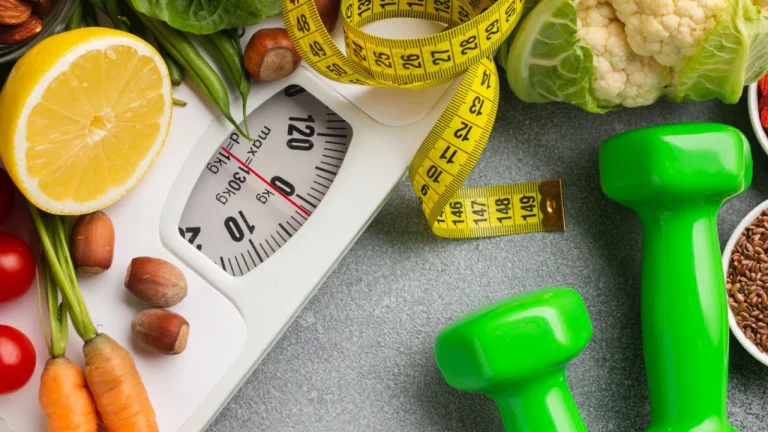
Want to build muscle without piling on the steak or whey shakes? You can—plants have your back. Natural anabolic nutrition is all about fueling your gains with what nature’s got, using plant-based proteins that pack a punch. No meat, no fuss—just good food that helps your muscles grow strong. Let’s dive into some tasty options, keeping it easy and real, with a bit of science thrown in, like we’re swapping gym tips over a smoothie.
What’s the Muscle Magic?
Anabolic means building up—here, it’s about growing muscle. Protein’s the key; it repairs those tiny tears from lifting or running, making you stronger. Plants can deliver that, plus extras like fiber and antioxidants—no slabs of beef required. A 2020 Nutrients study says plant proteins can match animal ones for gains if you eat smart (https://www.mdpi.com/2072-6643/12/12/3709). It’s all about the right picks.
1. Lentils: Little Power Packs
Lentils are small but mighty—18 grams of protein per cooked cup, plus iron to keep your energy up. They’ve got leucine too, a biggie for muscle repair. A 2019 Journal of Nutrition study found plant proteins like lentils support muscle just fine with enough of them (https://academic.oup.com/jn/article/149/12/2215/5542976). Simmer a bowl with spices—cozy and muscle-friendly.
2. Quinoa: The All-in-One Grain
Quinoa’s a champ—9 grams per cup and all nine essential amino acids, rare for plants. It’s a complete protein, fueling growth like meat does. A 2021 Frontiers in Nutrition piece says it’s a solid base for anabolic diets (https://www.frontiersin.org/articles/10.3389/fnut.2021.689399/full). Toss it in salads or bowls—light and filling.
3. Tempeh: Fermented Muscle Fuel
Tempeh—soy’s funky, nutty cousin—brings 19 grams per 100 grams, plus probiotics for gut health. It’s leucine-rich, sparking muscle recovery. A 2018 Sports Medicine study backs fermented soy for post-workout gains (https://link.springer.com/article/10.1007/s40279-018-0997-x). Grill it with veggies—savory and strong.
4. Hemp Seeds: Tiny Gains Boosters
Hemp seeds sprinkle in 10 grams per 3 tablespoons, with omega-3s to cut inflammation after a lift. They’re easy to digest too. A 2020 Plant Foods for Human Nutrition study says they’re a sleeper hit for protein (https://link.springer.com/article/10.1007/s11130-020-00811-0). Blend them into shakes or yogurt—subtle and powerful.
Extra Plant Pals
- Chickpeas: 15 grams per cup—roast ‘em for a snack.
- Pea Protein: 20 grams per scoop—shake it up post-gym.
A 2017 Journal of the International Society of Sports Nutrition study says mixing plant sources nails the amino acid balance (https://jissn.biomedcentral.com/articles/10.1186/s12970-017-0192-9).
Keep It Chill
No need to overthink—add these to what you already eat. Lentil soup, quinoa bowls, a tempeh stir-fry—it’s everyday stuff. Pair with lifting, and you’re set. A British Journal of Sports Medicine review says consistency’s the trick (https://bjsm.bmj.com/content/51/4/252).
Wrap-Up: Grow Green
Building muscle doesn’t mean meat-only—plants like lentils, quinoa, tempeh, and hemp can flex just as hard. They’re natural, anabolic, and kind to your body. Science nods along, but you’ll feel it—stronger lifts, fuller plates. So, next time you’re cooking, toss in some green power. Your muscles will thank you, bite by bite.
Tags


