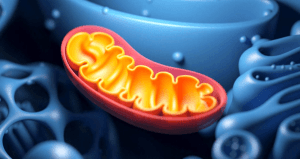
In the quest for better health and longevity, science often uncovers hidden gems in nature. One such discovery is Pyrroloquinoline Quinone, or PQQ—a compound that’s making waves for its potential to boost energy, protect cells, and even slow aging. Often called a “youth elixir,” PQQ is gaining popularity as a powerful supplement for cellular health. But what exactly is PQQ, and can it really live up to the hype? Let’s dive into the science behind this fascinating nutrient and explore how it can support your energy and well-being.
This guide will break down what PQQ is, how it works in your body, its benefits for energy and cellular health, and why a PQQ supplement might be worth considering. Backed by research, we’ll uncover the facts about this promising compound and help you decide if it’s right for you.
What Is PQQ?
Pyrroloquinoline Quinone (PQQ) is a small molecule found naturally in certain foods and produced in trace amounts by the body. First discovered in 1979, PQQ was initially identified as a cofactor for enzymes in bacteria. Later, researchers found it plays a key role in human health, particularly in supporting mitochondria—the “powerhouses” of your cells that produce energy.
PQQ is present in foods like kiwi, green peppers, spinach, tofu, and breast milk, but only in tiny amounts. To get therapeutic benefits, many people turn to a PQQ supplement, which provides a concentrated dose. According to the National Institutes of Health (NIH), PQQ isn’t classified as an essential nutrient, but its effects on cellular health are significant enough to warrant attention.
How Does PQQ Work?
PQQ works primarily by supporting your mitochondria, the tiny structures in your cells that generate ATP (adenosine triphosphate), the body’s main energy currency. As we age, mitochondrial function declines, leading to fatigue, cognitive decline, and faster aging. PQQ helps in two key ways: mitochondrial biogenesis (creating new mitochondria) and acting as a potent antioxidant.
A 2010 study in *The Journal of Biological Chemistry* found that PQQ activates a protein called PGC-1α, which triggers mitochondrial biogenesis. More mitochondria mean more energy production. Additionally, PQQ neutralizes free radicals—unstable molecules that damage cells—making it a powerful antioxidant, as noted in a 2017 review in *Antioxidants*.
The Science-Backed Benefits of PQQ
PQQ’s effects on energy and cellular health are impressive, and research is uncovering more benefits every year. Here’s what the science says about why a PQQ supplement might be your next health booster.
1. Boosting Energy Through Mitochondrial Health
Mitochondria are the key to energy production, and PQQ helps them work better. A 2016 study in *Functional Foods in Health and Disease* showed that 20 mg of PQQ daily for 12 weeks reduced fatigue and improved energy levels in healthy adults. Participants reported feeling less tired and more alert, likely due to enhanced mitochondrial function.
By supporting the creation of new mitochondria, PQQ ensures your cells have the energy they need to power through your day—whether you’re working out, focusing at work, or chasing after kids.
2. Protecting Your Cells as a Powerful Antioxidant
PQQ’s antioxidant properties are a game-changer for cellular health. Free radicals, produced by stress, pollution, and normal metabolism, can damage cells and speed up aging. PQQ neutralizes these harmful molecules, protecting your cells from oxidative stress. A 2018 study in *Oxidative Medicine and Cellular Longevity* found that PQQ reduced oxidative damage in human cells, supporting its role as an anti-aging compound.
This antioxidant power also protects mitochondria, which are especially vulnerable to free radical damage. Healthier mitochondria mean better energy and slower cellular aging.
3. Supporting Brain Health and Cognitive Function
PQQ doesn’t just boost physical energy—it also supports your brain. By protecting brain cells from oxidative stress and improving mitochondrial function, PQQ enhances cognitive performance. A 2016 study in *Journal of Clinical Biochemistry and Nutrition* found that 20 mg of PQQ daily for 12 weeks improved memory and attention in older adults. Participants showed better recall and focus, suggesting PQQ’s potential for brain health.
PQQ may also protect against neurodegenerative diseases. A 2020 study in *Neurochemistry International* showed that PQQ reduced brain cell damage in animal models of Parkinson’s disease, hinting at its neuroprotective effects.
4. Slowing Aging: The “Youth Elixir” Effect
PQQ’s ability to support mitochondrial health and fight oxidative stress has earned it the nickname “youth elixir.” Aging is largely driven by mitochondrial decline and cellular damage, both of which PQQ counters. A 2019 review in *Aging and Disease* highlighted PQQ’s role in promoting longevity by enhancing mitochondrial biogenesis and reducing inflammation.
While it’s not a fountain of youth, PQQ’s cellular benefits may help you feel and function younger for longer.
5. Supporting Heart Health
Your heart relies on mitochondria for energy, and PQQ helps keep it beating strong. A 2017 study in *Cardiovascular Diagnosis and Therapy* found that PQQ protected heart cells from oxidative stress in animal models, reducing the risk of heart damage. Its antioxidant effects also lower inflammation, a key factor in heart disease.
Adding a PQQ supplement to a heart-healthy diet may give your cardiovascular system an extra layer of protection.
How to Add PQQ to Your Routine
PQQ is found in small amounts in foods, but supplements are the most effective way to get a therapeutic dose. Here’s how to incorporate it:
- PQQ Supplement Dosage: Studies typically use 10-20 mg daily. Start with a lower dose and see how your body responds.
- Timing: Take PQQ with a meal to improve absorption, as it’s fat-soluble.
- Food Sources: Boost your intake with PQQ-rich foods like kiwi (0.7 µg/100g), spinach (0.2 µg/100g), and green tea. These amounts are small, so supplements are often necessary for noticeable effects.
- Pairing: Some PQQ supplements include CoQ10, another mitochondrial booster, for added benefits.
Consistency matters—benefits like improved energy and cognition often appear after weeks of regular use.
Is PQQ Safe?
PQQ is generally safe at recommended doses. Studies, including a 2016 trial in *Regulatory Toxicology and Pharmacology*, found no significant side effects with 20 mg daily for 12 weeks. However, high doses (over 60 mg) may cause mild side effects like headaches or insomnia in some people. If you’re pregnant, breastfeeding, or on medication, consult a doctor before starting a PQQ supplement.
Who Can Benefit from PQQ?
PQQ is versatile and can help a wide range of people:
- Busy Adults: To combat fatigue and boost energy.
- Older Adults: To support brain health and slow aging.
- Athletes: To enhance endurance through better mitochondrial function.
- Anyone Under Stress: To protect cells from oxidative damage.
If you’re looking to feel more energized and protect your cells, PQQ might be worth a try.
Choosing a Quality PQQ Supplement
Not all PQQ supplements are created equal. Look for third-party-tested products to ensure purity. Check for a standardized dose (10-20 mg) and avoid fillers or artificial additives. Reputable brands often pair PQQ with CoQ10 for synergistic effects.
Final Thoughts
PQQ may not be a literal “elixir of youth,” but its benefits for energy and cellular health are undeniable. By supporting mitochondrial function, fighting oxidative stress, and enhancing brain power, a PQQ supplement can help you feel more vibrant and resilient. Backed by science, this compound offers a natural way to boost your energy, protect your cells, and age gracefully. Add PQQ to your routine, and let your body thrive—one energized cell at a time.