Caffeine is a go-to for many of us when we need a quick energy boost, whether it’s to kickstart the morning, power through a workday, or stay alert during a late-night study session. Found in coffee, tea, energy drinks, and even chocolate, caffeine stimulates the central nervous system, helping you feel more awake and focused. However, it’s not without its downsides—jitteriness, anxiety, sleep disruption, and dependency are common issues for some people. If you’re looking to reduce your caffeine intake or find a more sustainable way to stay energized, exploring the best caffeine alternatives to boost energy naturally can be a game-changer.
In this comprehensive guide, we’ll dive into why you might want to cut back on caffeine, the science behind natural energy-boosting alternatives, and practical ways to incorporate them into your daily routine. From nutrient-rich foods to herbal remedies, these alternatives offer a gentler, more balanced approach to maintaining energy without the crash. Backed by research, we’ll also provide tips to optimize your energy levels through lifestyle changes. Let’s explore the best caffeine alternatives to boost energy naturally and help you feel vibrant and focused all day long.
Why Look for Caffeine Alternatives?
Caffeine works by blocking adenosine receptors in the brain, a neurotransmitter that promotes sleepiness, while increasing the release of adrenaline and dopamine, which make you feel alert and focused. While this can be effective in the short term, there are several reasons you might want to explore alternatives:
- Jitteriness and Anxiety: High doses of caffeine (above 400 mg daily) can cause nervousness, restlessness, and even anxiety, per a 2019 study in Frontiers in Psychiatry.
- Sleep Disruption: Caffeine can interfere with sleep quality, especially if consumed later in the day, leading to fatigue over time, according to a 2020 study in Sleep Medicine Reviews.
- Dependency and Tolerance: Regular caffeine use can lead to tolerance, meaning you need more to achieve the same effect, and withdrawal symptoms like headaches and irritability when you cut back.
- Digestive Issues: Caffeine can irritate the stomach lining, causing acid reflux or discomfort in some people, per a 2018 study in Nutrients.
- Energy Crashes: The initial energy spike from caffeine often leads to a crash, leaving you feeling more tired than before.
For these reasons, many people are turning to natural alternatives that provide sustained energy without the side effects. These alternatives work by supporting your body’s natural energy production, improving mental clarity, and reducing stress—offering a more balanced approach to staying energized.
How Natural Alternatives Boost Energy
Unlike caffeine, which provides a quick but temporary spike in energy, natural alternatives work by supporting your body’s energy systems at a cellular level. They do this by:
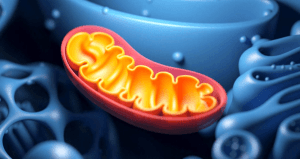
- Enhancing Mitochondrial Function: Mitochondria are the “powerhouses” of your cells, producing ATP (adenosine triphosphate), the body’s primary energy currency. Certain nutrients and compounds support mitochondrial health, providing steady energy.
- Reducing Stress and Fatigue: Adaptogens and herbs can lower cortisol levels, reducing stress-related fatigue and improving mental clarity.
- Improving Blood Flow and Oxygenation: Better circulation delivers more oxygen and nutrients to your brain and muscles, enhancing focus and stamina.
- Supporting Nutrient Balance: Deficiencies in key nutrients like B vitamins, iron, or magnesium can cause fatigue. Natural alternatives often provide these nutrients to restore energy levels.
A 2019 study in Journal of Clinical Medicine found that lifestyle interventions, including diet and stress management, were more effective than stimulants like caffeine for sustaining long-term energy and reducing fatigue. Let’s explore the best caffeine alternatives to boost energy naturally and how they can help you stay vibrant throughout the day.
The Best Caffeine Alternatives to Boost Energy Naturally
Here’s a list of science-backed alternatives to caffeine, along with their benefits and practical ways to incorporate them into your routine.
1. Matcha Green Tea: A Balanced Energy Boost
Matcha, a powdered form of green tea, contains a small amount of caffeine (about 35 mg per teaspoon) but offers a more balanced energy boost thanks to its high levels of L-theanine—an amino acid that promotes relaxation without drowsiness. L-theanine works with caffeine to provide a calm, focused energy without the jitters, per a 2018 study in Nutrients.
Matcha is also rich in antioxidants, particularly catechins like EGCG (epigallocatechin gallate), which reduce oxidative stress and support overall energy production. A 2019 study in Journal of Clinical Biochemistry and Nutrition found that matcha improved attention and reaction time in young adults, making it a great alternative for sustained mental clarity.
How to Enjoy: Whisk 1 teaspoon of matcha powder into 8 ounces of hot water or plant-based milk for a latte. Drink in the morning or early afternoon to avoid any sleep interference from the caffeine.
2. Rhodiola Rosea: The Stress-Busting Adaptogen
Rhodiola rosea is an adaptogenic herb that helps your body resist stress and fatigue, making it an excellent caffeine alternative. It works by balancing cortisol levels, enhancing mitochondrial function, and increasing the production of ATP and serotonin, which improve energy and mood. A 2018 meta-analysis in Phytomedicine found that Rhodiola supplementation (200-600 mg daily for 4-12 weeks) reduced fatigue and improved mental performance in people with stress-related exhaustion.
Rhodiola is particularly beneficial for those who feel “wired but tired” from chronic stress, as it provides a calm, focused energy without overstimulation.
How to Enjoy: Take Rhodiola as a supplement (200-400 mg daily) in capsule form, or brew Rhodiola tea by steeping 1 teaspoon of dried root in hot water for 10 minutes. Take in the morning or early afternoon.
3. Ginseng: A Natural Energy Enhancer
Ginseng, particularly Panax ginseng (Asian ginseng), is a traditional herb known for its energy-boosting and cognitive-enhancing properties. It works by increasing ATP production, improving blood flow, and reducing oxidative stress, which helps combat fatigue and enhance mental clarity. A 2019 study in Journal of Ginseng Research found that Panax ginseng supplementation (200 mg daily for 4 weeks) improved energy levels, mood, and cognitive function in healthy adults.
Ginseng also has adaptogenic properties, helping your body adapt to stress and maintain energy during demanding tasks.
How to Enjoy: Take ginseng as a supplement (100-200 mg daily) or brew ginseng tea by steeping 1-2 grams of dried root in hot water for 10 minutes. Avoid taking late in the day, as it may be stimulating for some people.
4. Maca Root: A Nutrient-Dense Energy Booster
Maca root, a Peruvian superfood, is known for its ability to enhance energy, stamina, and hormonal balance. It’s rich in vitamins, minerals, and antioxidants, including B vitamins, iron, and magnesium, which support energy production and reduce fatigue. Maca also acts as an adaptogen, helping to balance cortisol levels and improve resilience to stress.
A 2018 study in Evidence-Based Complementary and Alternative Medicine found that maca supplementation (3 grams daily for 12 weeks) improved energy levels, mood, and physical performance in healthy adults. It’s particularly beneficial for those experiencing fatigue due to hormonal imbalances, such as during menopause or andropause.
How to Enjoy: Add 1-2 teaspoons of maca powder to smoothies, oatmeal, or plant-based yogurt. Start with a small dose to assess tolerance, as it can be energizing.
5. Beetroot Juice: Boosts Stamina and Blood Flow
Beetroot juice is a natural source of nitrates, which dilate blood vessels, improve blood flow, and increase oxygen delivery to your brain and muscles. This enhanced circulation boosts stamina, reduces fatigue, and improves mental clarity, making beetroot juice a great caffeine alternative for both physical and mental energy.
A 2019 study in Journal of Applied Physiology found that beetroot juice supplementation (500 mL daily for 6 days) improved exercise performance and reduced perceived exertion in athletes by increasing nitric oxide levels. For non-athletes, this improved oxygenation can enhance focus and energy throughout the day.
How to Enjoy: Drink 8-16 ounces of pure beetroot juice daily, or blend fresh beets into a smoothie with apple and ginger for a refreshing drink. Consume 1-2 hours before a mentally demanding task for best results.
6. B Vitamins: Essential for Energy Production
B vitamins, particularly B12, B6, and folate, are crucial for energy production, as they help convert food into ATP in the mitochondria. They also support the production of red blood cells, which carry oxygen to your tissues, and neurotransmitters like serotonin and dopamine, which improve mood and focus. A deficiency in B vitamins can lead to fatigue, brain fog, and low energy, per a 2019 study in Nutrients.
Vegans and vegetarians are at higher risk of B12 deficiency, as it’s primarily found in animal products, but fortified foods and supplements can help.
How to Enjoy: Eat B vitamin-rich foods like whole grains (B6), leafy greens (folate), and fortified plant-based milks or nutritional yeast (B12). If supplementing, take a B-complex vitamin (with 100-1000 mcg of B12) daily, per the NIH.
7. Cordyceps: The Mushroom for Energy and Endurance
Cordyceps, a medicinal mushroom used in traditional Chinese medicine, is known for its ability to enhance energy, stamina, and oxygen utilization. It works by increasing ATP production and improving blood flow, which boosts both physical and mental energy. A 2018 study in Journal of Dietary Supplements found that cordyceps supplementation (1-3 grams daily for 6 weeks) improved exercise performance and reduced fatigue in healthy adults.
Cordyceps is also an adaptogen, helping to reduce stress and improve resilience, making it a great choice for sustained energy without overstimulation.
How to Enjoy: Take cordyceps as a supplement (1-3 grams daily) in capsule or powder form, or add cordyceps powder to smoothies or hot drinks. Take in the morning or before a workout.
8. Coconut Water: Hydration for Energy
Dehydration can lead to fatigue, brain fog, and low energy, as even mild dehydration impairs cognitive and physical performance, per a 2019 study in Journal of Nutrition. Coconut water is a natural source of electrolytes like potassium, magnesium, and sodium, which help maintain hydration and support energy production.
Unlike sugary sports drinks, coconut water is low in calories and provides natural sugars for a gentle energy boost without a crash.
How to Enjoy: Drink 8-16 ounces of pure coconut water in the morning or after exercise to rehydrate. Look for unsweetened varieties to avoid added sugars.
9. Ashwagandha: Calm Energy Through Stress Reduction
Ashwagandha, another adaptogenic herb, helps your body manage stress by lowering cortisol levels, which can drain your energy over time. It also supports thyroid function, which regulates metabolism and energy production. A 2019 study in Journal of Alternative and Complementary Medicine found that ashwagandha supplementation (600 mg daily for 8 weeks) reduced stress, improved energy levels, and enhanced cognitive function in adults with chronic stress.
Ashwagandha provides a calm, focused energy, making it ideal for those who feel fatigued due to stress or anxiety.
How to Enjoy: Take ashwagandha as a supplement (300-600 mg daily) in capsule form, or add 1 teaspoon of ashwagandha powder to smoothies or warm milk. Take in the morning or evening, as it can also promote relaxation.
10. Chia Seeds: Sustained Energy with Nutrients
Chia seeds are a nutrient-dense superfood packed with fiber, omega-3 fatty acids, protein, and magnesium—all of which support sustained energy. The fiber slows digestion, providing a steady release of energy, while omega-3s reduce inflammation and support brain health. Magnesium helps convert food into ATP, reducing fatigue.
A 2018 study in Journal of Strength and Conditioning Research found that chia seeds provided a sustained energy source for endurance athletes, comparable to carbohydrate-based sports drinks, but with added nutritional benefits.
How to Enjoy: Add 1-2 tablespoons of chia seeds to smoothies, oatmeal, or yogurt, or make chia pudding by soaking them in plant-based milk overnight. Consume as a breakfast or snack for all-day energy.
Lifestyle Tips to Boost Energy Naturally
In addition to using the best caffeine alternatives to boost energy naturally, these habits can further enhance your vitality:
- Prioritize Sleep: Poor sleep disrupts energy production. Aim for 7-9 hours per night, per a 2019 study in Sleep Medicine Reviews.
- Stay Active: Regular exercise increases mitochondrial function and boosts endorphins, improving energy, per a 2020 study in Journal of Applied Physiology.
- Eat Balanced Meals: Include protein, healthy fats, and complex carbs in every meal to stabilize blood sugar and sustain energy.
- Manage Stress: Chronic stress raises cortisol, draining energy. Practice mindfulness, meditation, or yoga to relax.
- Stay Hydrated: Dehydration causes fatigue. Aim for 8-10 cups of water daily, more if you’re active.
When to See a Doctor
If you experience persistent fatigue despite trying these alternatives, consult a doctor. Chronic tiredness could signal underlying issues like anemia, thyroid dysfunction, or depression that need medical attention. Additionally, if you’re on medication, check with your doctor before starting herbal supplements like Rhodiola or ashwagandha, as they may interact with certain drugs.
Final Thoughts
The best caffeine alternatives to boost energy naturally offer a sustainable, balanced way to stay alert and focused without the side effects of caffeine. From the calm energy of matcha and adaptogens like Rhodiola to nutrient-dense options like chia seeds and beetroot juice, these alternatives support your body’s natural energy systems, reduce stress, and enhance overall well-being. By incorporating these into your routine and adopting a holistic approach to energy management, you can feel vibrant and energized all day long. Start today, and discover the power of natural energy boosters for a healthier, more productive you.
We’d love to hear from you! Have you tried any of these caffeine alternatives to boost your energy? Share your favorite tips, recipes, or experiences in the comments below—we’re excited to connect and learn from our nutribooster community!