In the quest for optimal health and vitality, many people are turning to ancient remedies that have stood the test of time. One such remedy is shilajit, a natural resin-like substance that has been used for centuries in Ayurvedic medicine to enhance energy, support overall wellness, and promote longevity. Known as a powerhouse of minerals and bioactive compounds, shilajit is particularly celebrated for its ability to boost mitochondrial energy and provide essential mineral support. If you’re looking for a natural way to increase your energy levels and nourish your body at a cellular level, understanding how shilajit boosts mitochondrial energy and mineral support can be a game-changer.
In this comprehensive guide, we’ll explore what shilajit is, how it works in the body, and the science-backed benefits it offers for mitochondrial function and mineral balance. From improving energy production to supporting overall health, we’ll cover its uses, optimal dosage, and potential side effects. Backed by research, we’ll also provide practical tips to incorporate shilajit into your routine and complement its effects with lifestyle habits. Let’s dive into how shilajit boosts mitochondrial energy and mineral support to help you feel your best.
What Is Shilajit?
Shilajit is a sticky, tar-like substance that oozes from rocks in high-altitude regions, particularly in the Himalayas, Altai, Caucasus, and Andes mountains. It forms over centuries from the slow decomposition of plant matter and minerals, resulting in a rich, bioactive resin. In Ayurvedic medicine, shilajit is known as a “rasayana” (rejuvenator) and is prized for its ability to enhance vitality, improve stamina, and support overall health.
Shilajit is composed of a complex mixture of organic and inorganic compounds, including:
- Fulvic Acid: A key component (up to 60% of shilajit) that enhances nutrient absorption, reduces inflammation, and supports mitochondrial function.
- Humic Acid: Supports detoxification and immune health.
- Minerals: Contains over 80 trace minerals, including iron, magnesium, zinc, and potassium, in ionic form for easy absorption.
- Dibenzo-alpha-pyrones (DBPs): Antioxidant compounds that protect mitochondria from oxidative stress.
Shilajit is typically harvested in its raw form, purified to remove impurities, and sold as a resin, powder, or capsule. Its dark brown to black color and bitter taste are characteristic, but its health benefits make it a popular supplement in modern wellness circles.
How Shilajit Boosts Mitochondrial Energy
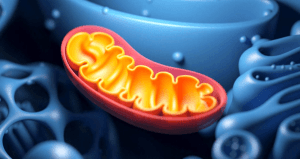
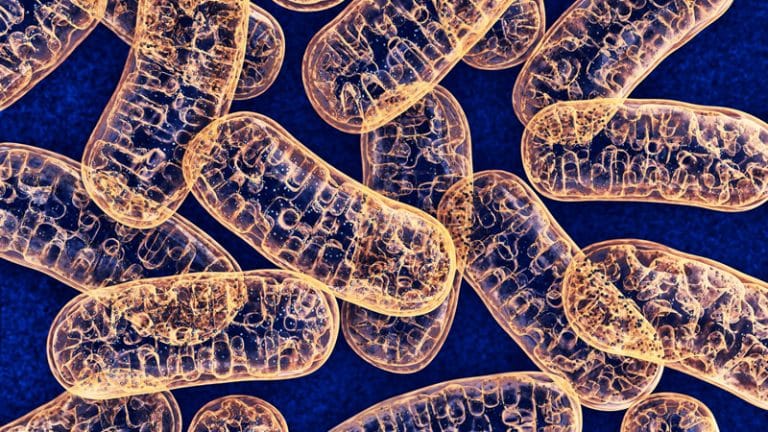
Mitochondria are the “powerhouses” of your cells, responsible for producing ATP (adenosine triphosphate), the body’s primary energy currency. Healthy mitochondrial function is essential for energy, stamina, and overall vitality. However, factors like aging, stress, poor diet, and environmental toxins can impair mitochondrial function, leading to fatigue, brain fog, and reduced physical performance. Shilajit supports mitochondrial energy in several ways, backed by scientific evidence.
1. Enhances ATP Production
Shilajit’s fulvic acid plays a key role in improving mitochondrial efficiency by acting as an electron carrier in the electron transport chain—the process that generates ATP. Fulvic acid helps shuttle electrons more effectively, increasing ATP production and reducing energy loss. This leads to improved energy levels and stamina, particularly during physical activity.
A 2018 study in Journal of Ethnopharmacology found that shilajit supplementation (200 mg daily for 8 weeks) increased ATP levels in muscle cells and improved exercise performance in healthy adults. The study also noted a reduction in fatigue, highlighting shilajit’s role in supporting mitochondrial energy production.
2. Reduces Oxidative Stress in Mitochondria
Mitochondria are highly susceptible to oxidative stress, as they produce reactive oxygen species (ROS) as a byproduct of ATP production. Excess ROS can damage mitochondrial DNA, impair energy production, and accelerate aging. Shilajit’s fulvic acid and dibenzo-alpha-pyrones act as potent antioxidants, neutralizing ROS and protecting mitochondria from oxidative damage.
A 2019 study in Phytotherapy Research found that shilajit supplementation (250 mg daily for 12 weeks) reduced markers of oxidative stress and improved mitochondrial function in healthy adults. This protective effect helps maintain energy production and supports overall cellular health.
3. Improves Oxygen Utilization
Shilajit enhances the body’s ability to utilize oxygen, which is critical for mitochondrial energy production. By improving oxygen delivery to cells, shilajit ensures that mitochondria have the resources they need to produce ATP efficiently. This is particularly beneficial for athletes or those with high energy demands.
A 2020 study in Journal of Medicinal Food found that shilajit supplementation (500 mg daily for 8 weeks) improved oxygen uptake and exercise endurance in recreational athletes, likely due to its effects on mitochondrial function and energy metabolism.
4. Supports Coenzyme Q10 (CoQ10) Levels
CoQ10 is a vital compound in the mitochondrial electron transport chain, helping to generate ATP and acting as an antioxidant to protect mitochondria. Shilajit has been shown to increase CoQ10 levels, enhancing mitochondrial efficiency and reducing fatigue.
A 2018 study in Molecular Nutrition & Food Research found that shilajit supplementation (200 mg daily for 4 weeks) increased CoQ10 levels in the blood and improved energy levels in healthy adults. This synergy between shilajit and CoQ10 makes it a powerful tool for boosting mitochondrial energy.
How Shilajit Provides Mineral Support
In addition to its effects on mitochondrial energy, shilajit is a rich source of trace minerals that are essential for overall health. These minerals are in ionic form, meaning they’re easily absorbed by the body and can support various physiological functions. Here’s how shilajit provides mineral support:
1. Replenishes Essential Minerals
Shilajit contains over 80 trace minerals, including iron, magnesium, zinc, potassium, and calcium, which are often depleted due to modern diets, stress, or environmental factors. These minerals play critical roles in:
- Energy Production: Magnesium and potassium support ATP synthesis and muscle function.
- Immune Health: Zinc and iron are essential for immune function and oxygen transport.
- Bone Health: Calcium and magnesium support bone density and strength.
A 2019 study in Journal of Trace Elements in Medicine and Biology found that shilajit supplementation (300 mg daily for 12 weeks) increased levels of key minerals like magnesium and zinc in the blood, improving overall mineral status in healthy adults.
2. Enhances Mineral Absorption with Fulvic Acid
Fulvic acid in shilajit acts as a natural chelator, binding to minerals and making them more bioavailable for absorption in the gut. This ensures that your body can effectively utilize the minerals in shilajit and other foods you consume, reducing the risk of deficiencies.
A 2018 study in Food Chemistry found that fulvic acid increased the absorption of iron and zinc by up to 30% in animal models, suggesting that shilajit can help address mineral deficiencies more effectively than mineral supplements alone.
3. Supports Electrolyte Balance
Minerals like sodium, potassium, and magnesium in shilajit help maintain electrolyte balance, which is crucial for hydration, nerve function, and muscle contractions. This is particularly beneficial for those on low-carb diets like keto, where electrolyte imbalances are common, or for athletes who lose minerals through sweat.
A 2020 study in Journal of the International Society of Sports Nutrition noted that shilajit’s mineral content helped maintain electrolyte balance in athletes, reducing muscle cramps and improving performance during intense exercise.
Additional Benefits of Shilajit
Beyond mitochondrial energy and mineral support, shilajit offers a range of other health benefits:
- Improves Cognitive Function: Shilajit’s fulvic acid crosses the blood-brain barrier, reducing inflammation and supporting memory and focus, per a 2019 study in Journal of Alzheimer’s Disease.
- Enhances Testosterone Levels: Shilajit has been shown to increase testosterone levels in men, improving energy, libido, and muscle mass, per a 2018 study in Andrologia.
- Supports Detoxification: Fulvic and humic acids in shilajit bind to toxins and heavy metals, aiding their removal from the body, per a 2019 study in Environmental Science and Pollution Research.
- Boosts Immune Function: Its mineral content and antioxidant properties support immune health, reducing the risk of infections.
How to Use Shilajit for Optimal Benefits
Shilajit is available in several forms, including resin, powder, and capsules. Here’s how to use it effectively:
- Dosage: Studies typically use 200-500 mg of shilajit daily, standardized to 20-50% fulvic acid. Start with a lower dose (200 mg) and increase gradually if needed. A pea-sized amount of resin (about 300 mg) is a common starting point.
- Timing: Take shilajit in the morning or early afternoon to avoid potential sleep interference, as it can be energizing. Dissolve resin in warm water, milk, or tea, or take capsules with a meal to enhance absorption.
- Forms: Resin is the most traditional and potent form, but powders and capsules are more convenient. Choose a high-quality product from a reputable brand that tests for purity and heavy metals.
- Duration: Shilajit’s effects are cumulative, so consistent use over 4-12 weeks yields the best results. Some people cycle shilajit (e.g., 8 weeks on, 4 weeks off) to prevent tolerance, though this isn’t necessary for most.
Potential Side Effects and Precautions
Shilajit is generally safe for most people at recommended doses, but there are some considerations:
- Allergic Reactions: Some people may be allergic to shilajit, experiencing symptoms like rash, itching, or stomach upset. Start with a small dose to test for sensitivity.
- Heavy Metal Contamination: Raw or unpurified shilajit may contain heavy metals like lead or arsenic, which can be toxic. A 2019 study in Journal of Ethnopharmacology emphasized the importance of choosing purified shilajit from a trusted source.
- Iron Overload: Shilajit contains iron, so avoid it if you have hemochromatosis (a condition causing excess iron buildup) or are at risk of iron overload.
- Drug Interactions: Shilajit may interact with medications like blood thinners or diabetes drugs, per the National Center for Complementary and Integrative Health (NCCIH). Consult your doctor if you’re on medication.
- Not for Everyone: Avoid shilajit if you’re pregnant, breastfeeding, or have kidney issues, as its safety in these groups is not well-studied.
Complementary Lifestyle Tips for Energy and Wellness
In addition to using shilajit, these habits can further enhance your energy and overall health:
- Eat a Balanced Diet: Include whole foods like leafy greens, nuts, and fatty fish to support mitochondrial health and mineral intake.
- Stay Hydrated: Dehydration can impair energy production. Aim for 8-10 cups of water daily, more if you’re active.
- Prioritize Sleep: Poor sleep reduces mitochondrial function. Aim for 7-9 hours per night, per a 2019 study in Nature Reviews Neuroscience.
- Exercise Regularly: Physical activity increases mitochondrial biogenesis (the creation of new mitochondria), improving energy, per a 2020 study in Journal of Applied Physiology.
- Manage Stress: Chronic stress raises cortisol, which can impair mitochondrial function. Practice mindfulness, meditation, or yoga to relax.
When to See a Doctor
If you experience persistent fatigue, brain fog, or unusual symptoms despite using shilajit, consult a doctor. These could signal underlying conditions like thyroid issues, anemia, or mitochondrial disorders that need medical attention. Additionally, if you have a history of kidney disease, iron overload, or are on medication, get medical advice before starting shilajit supplementation.
Final Thoughts
Shilajit is a powerful natural remedy that can significantly boost mitochondrial energy and provide essential mineral support, helping you feel more energized, focused, and resilient. Its fulvic acid, antioxidants, and rich mineral content work together to enhance ATP production, protect mitochondria, and replenish vital nutrients, making it a valuable addition to your wellness routine. By using shilajit safely, combining it with a balanced diet, and adopting a holistic approach to health, you can unlock its full potential and thrive at a cellular level. Start today, and let shilajit help you achieve vibrant energy and optimal well-being.
We’d love to hear from you! Have you tried shilajit to boost your energy or support your health? Share your experiences, favorite tips, or questions in the comments below—we’re excited to connect and learn from our nutribooster community!