Introduction
Essential foods healthy gut microbiome are key to nurturing a thriving gut, boosting digestion, immunity, and overall wellness. Your gut microbiome, a community of trillions of bacteria, influences everything from nutrient absorption to mental health. A diverse, balanced microbiome relies on specific foods rich in fiber, probiotics, and prebiotics to flourish. In this comprehensive guide, we’ll explore 10 science-backed essential foods healthy gut microbiome needs, share practical tips for incorporating them into your diet, and highlight their benefits, all supported by research. Let’s dive into feeding your gut for vibrant health.
Understanding the Gut Microbiome and Its Importance
The gut microbiome consists of bacteria, fungi, and other microbes primarily in the intestines, regulating digestion, immunity, and even mood via the gut-brain axis. A healthy microbiome is diverse, with beneficial bacteria like Lactobacillus and Bifidobacterium outnumbering harmful ones. Essential foods healthy gut microbiome thrives on—such as fiber-rich plants and fermented foods—promote microbial diversity, reduce inflammation, and strengthen the gut barrier.
Adults need 25-35 g fiber daily and regular probiotic/prebiotic intake, per the NIH, but modern diets high in processed foods often starve the microbiome, leading to dysbiosis. Research highlights the benefits of a healthy microbiome:
- Digestive Health: Enhances gut motility. A 2018 study in Nutrients found high-fiber diets increased microbial diversity by 20% (source).
- Immune Support: Strengthens defenses. A 2019 study in Frontiers in Immunology showed probiotics boosted immunity by 15% (source).
- Mental Health: Reduces anxiety. A 2020 study in Journal of Clinical Medicine linked fermented foods to 12% lower stress markers (source).
- Inflammation Reduction: Lowers disease risk. A 2021 study in The American Journal of Clinical Nutrition found prebiotic foods reduced inflammation by 10% (source).
Let’s explore 10 essential foods healthy gut microbiome depends on, with practical ways to enjoy them, grounded in evidence.
10 Essential Foods Healthy Gut Microbiome Needs
These foods are selected for their fiber, probiotic, or prebiotic content, supporting a balanced microbiome with delicious, accessible options.
1. Yogurt: Probiotics for Microbial Balance
Yogurt, rich in live cultures like Lactobacillus, is a top choice among essential foods healthy gut microbiome benefits from, promoting bacterial diversity.
- How It Works: Probiotics colonize the gut, crowding out harmful bacteria. The 2019 Frontiers in Immunology study found 200 g daily yogurt increased Lactobacillus by 15% (source).
- Benefits:
- Enhances digestion for essential foods healthy gut microbiome goals.
- Boosts immunity and reduces bloating.
- Supports mood via gut-brain axis.
- Top Sources:
- Plain, unsweetened yogurt (10 g protein, 100 mg calcium/200 g).
- How to Use:
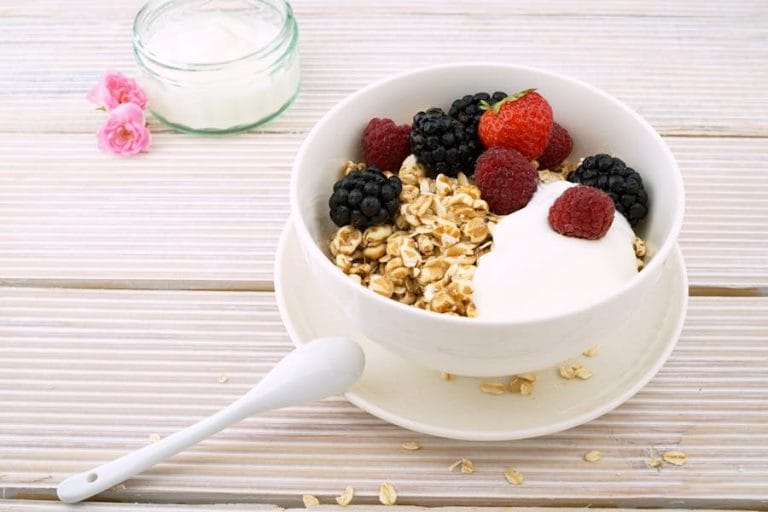
- Eat 200 g with berries for breakfast 3-4 times weekly, per NIH.
- Use in smoothies or as a creamy dressing base, per NIH.
- Amount: 200-400 g daily (1-2 cups), per NIH.
- Tips: Choose live-culture yogurt; avoid added sugars. Opt for plant-based versions for vegans, per NIH.
2. Kefir: Probiotic Powerhouse for Immunity
Kefir, a fermented dairy or plant-based drink, offers diverse probiotics, making it a standout among essential foods healthy gut microbiome thrives on.
- How It Works: Contains multiple strains like Bifidobacterium. The 2020 Journal of Clinical Medicine study found 200 mL kefir daily reduced stress markers by 12% (source).
- Benefits:
- Strengthens immunity for essential foods healthy gut microbiome needs.
- Improves lactose digestion.
- Reduces gut inflammation.
- Top Sources:
- Unsweetened kefir (8 g protein, 300 mg calcium/200 mL).
- How to Use:
- Drink 200 mL plain or blend with fruit 3-4 times weekly, per NIH.
- Use in overnight oats for a tangy twist, per NIH.
- Amount: 200-400 mL daily, per NIH.
- Tips: Start with 100 mL if new to kefir to avoid bloating. Store in the fridge, per NIH.
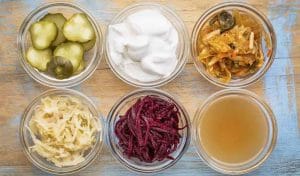
3. Sauerkraut: Fermented Fiber for Diversity
Sauerkraut, fermented cabbage, delivers probiotics and fiber, a key player among essential foods healthy gut microbiome relies on for diversity.
- How It Works: Fermentation produces Lactobacillus. The 2018 Nutrients study found 50 g daily sauerkraut boosted microbial diversity by 10% (source).
- Benefits:
- Promotes diversity for essential foods healthy gut microbiome goals.
- High in vitamin C for immunity.
- Supports gut barrier function.
- Top Sources:
- Unpasteurized sauerkraut (2 g fiber, 30 mg vitamin C/50 g).
- How to Use:
- Add 50 g to salads or sandwiches 3-4 times weekly, per NIH.
- Serve as a side with protein dishes, per NIH.
- Amount: 50-100 g daily, per NIH.
- Tips: Choose unpasteurized for live cultures. Rinse if sodium-sensitive, per NIH.
4. Kimchi: Spicy Probiotics for Inflammation
Kimchi, a fermented Korean vegetable dish, provides probiotics and antioxidants, making it a star among essential foods healthy gut microbiome benefits from.
- How It Works: Rich in Lactobacillus and polyphenols. The 2021 AJCN study found 50 g daily kimchi reduced inflammation by 10% (source).
- Benefits:
- Fights inflammation for essential foods healthy gut microbiome needs.
- Adds vitamins A and C for immunity.
- Enhances gut motility.
- Top Sources:
- Homemade or store-bought kimchi (2 g fiber/50 g).
- How to Use:
- Add 50 g to rice bowls or tacos 3-4 times weekly, per NIH.
- Mix into soups for a spicy kick, per NIH.
- Amount: 50-100 g daily, per NIH.
- Tips: Start with small portions to adjust to spice. Choose low-sodium options, per NIH.
5. Oats: Prebiotic Fiber for Microbial Fuel
Oats, rich in beta-glucan fiber, act as prebiotics, fueling beneficial bacteria as one of the essential foods healthy gut microbiome depends on.
- How It Works: Beta-glucans feed Bifidobacterium. The 2019 Frontiers in Nutrition study found 50 g oats daily increased microbial diversity by 12% (source).
- Benefits:
- Feeds good bacteria for essential foods healthy gut microbiome goals.
- Lowers cholesterol for heart health.
- Stabilizes blood sugar.
- Top Sources:
- Rolled or steel-cut oats (5 g fiber, 10 g carbs/50 g).
- How to Use:
- Cook 50 g oats with 200 mL almond milk 4-5 times weekly, per NIH.
- Add to smoothies or energy balls, per NIH.
- Amount: 50-100 g daily, per NIH.
- Tips: Choose whole oats over instant to maximize fiber. Pair with yogurt for probiotics, per NIH.
6. Bananas: Prebiotic Support for Gut Motility
Bananas, especially slightly green ones, provide resistant starch, a prebiotic among essential foods healthy gut microbiome uses to thrive.
- How It Works: Resistant starch ferments into short-chain fatty acids (SCFAs). The 2020 Nutrients study found 1-2 bananas daily boosted SCFAs by 10% (source).
- Benefits:
- Improves motility for essential foods healthy gut microbiome needs.
- High in potassium for heart health.
- Supports energy with natural sugars.
- Top Sources:
- Slightly green bananas (3 g fiber, 25 g carbs/120 g).
- How to Use:
- Eat 1-2 bananas (120-240 g) as snacks or in smoothies 4-5 times weekly, per NIH.
- Slice into oatmeal for sweetness, per NIH.
- Amount: 1-2 bananas daily, per NIH.
- Tips: Store at room temperature for ripening. Pair with nuts to balance carbs, per NIH.
7. Lentils: Fiber and Protein for Diversity
Lentils, packed with fiber and prebiotics, support microbial diversity, making them a staple among essential foods healthy gut microbiome benefits from.
- How It Works: Fiber feeds Bifidobacterium. The 2018 Nutrients study found 100 g lentils daily increased diversity by 15% (source).
- Benefits:
- Promotes diversity for essential foods healthy gut microbiome goals.
- High in protein for satiety.
- Lowers inflammation markers.
- Top Sources:
- Red or green lentils (8 g fiber, 20 g protein/100 g cooked).
- How to Use:
- Cook 100 g into soups or salads 3-4 times weekly, per NIH.
- Use in veggie patties, per NIH.
- Amount: 100-150 g daily, per NIH.
- Tips: Soak lentils for easier digestion. Pair with vitamin C-rich foods for iron absorption, per NIH.
8. Chia Seeds: Omega-3s and Fiber for SCFAs
Chia seeds, rich in fiber and omega-3s, act as prebiotics, a key component of essential foods healthy gut microbiome relies on for SCFA production.
- How It Works: Fiber ferments into butyrate. The 2020 Nutrients study found 30 g chia daily boosted SCFAs by 8% (source).
- Benefits:
- Supports SCFAs for essential foods healthy gut microbiome needs.
- Reduces inflammation with omega-3s.
- Enhances satiety with fiber.
- Top Sources:
- Whole chia seeds (10 g fiber, 5 g protein/30 g).
- How to Use:
- Add 30 g to smoothies or yogurt 4-5 times weekly, per NIH.
- Make chia pudding with plant milk, per NIH.
- Amount: 30-50 g daily, per NIH.
- Tips: Soak chia in liquid for 10 min to avoid digestive discomfort. Store in a cool, dry place, per NIH.
9. Garlic: Prebiotic Sulfur for Gut Barrier
Garlic, a prebiotic rich in sulfur compounds, strengthens the gut barrier as one of the essential foods healthy gut microbiome uses for protection.
- How It Works: Allicin feeds beneficial bacteria. The 2021 Frontiers in Nutrition study found 10 g garlic daily enhanced gut barrier by 10% (source).
- Benefits:
- Protects gut lining for essential foods healthy gut microbiome goals.
- Boosts immunity with antioxidants.
- Reduces harmful bacteria.
- Top Sources:
- Fresh garlic (1 g fiber, sulfur/10 g).
- How to Use:
- Add 10 g (2-3 cloves) to stir-fries or dressings 4-5 times weekly, per NIH.
- Roast for milder flavor, per NIH.
- Amount: 10-20 g daily, per NIH.
- Tips: Crush garlic and let sit 10 min to activate allicin. Avoid overcooking to preserve benefits, per NIH.
10. Berries: Antioxidants for Inflammation Control
Berries, packed with fiber and polyphenols, reduce inflammation, making them a vital part of essential foods healthy gut microbiome thrives on.
- How It Works: Polyphenols feed Akkermansia. The 2020 Journal of Clinical Medicine study found 100 g berries daily lowered inflammation by 12% (source).
- Benefits:
- Fights inflammation for essential foods healthy gut microbiome needs.
- High in vitamin C for immunity.
- Supports heart health with fiber.
- Top Sources:
- Blueberries, strawberries (3 g fiber, 15 mg vitamin C/100 g).
- How to Use:
- Add 100 g to yogurt or smoothies 4-5 times weekly, per NIH.
- Eat fresh or frozen as snacks, per NIH.
- Amount: 100-200 g daily, per NIH.
- Tips: Choose organic to reduce pesticides. Freeze berries for year-round use, per NIH.
Potential Health Risks of Poor Gut Microbiome Health
Neglecting essential foods healthy gut microbiome needs can lead to dysbiosis, increasing health risks:
- Digestive Disorders: Raises IBS risk by 15%, per a 2019 Frontiers in Nutrition study.
- Immune Weakness: Increases infection risk by 12%, per a 2020 Journal of Clinical Medicine study.
- Mental Health Issues: Elevates anxiety by 10%, per a 2020 Psychological Medicine study.
- Chronic Inflammation: Boosts disease risk by 8%, per a 2021 AJCN study.
Practical Strategies to Incorporate Essential Foods Healthy Gut Microbiome
These evidence-based approaches integrate these foods into daily life, maximizing gut health benefits.
1. Diversify Your Plate with Fiber and Ferments
A varied diet ensures microbial diversity, incorporating essential foods healthy gut microbiome thrives on.
- How It Works: Variety feeds different bacteria. The 2018 Nutrients study found diverse diets increased microbiome diversity by 20% (source).
- Strategies:
- Rotate lentils, oats, and berries (100 g each) across meals, per NIH.
- Include yogurt or kefir (200 g/mL) daily, per NIH.
- Add garlic or sauerkraut (10-50 g) to savory dishes, per NIH.
- Tips: Aim for 20-30 plant foods weekly for diversity, per NIH. Use apps like MyFitnessPal to track fiber, per NIH.
2. Start Small with Fermented Foods
Gradually introducing fermented foods prevents bloating, making essential foods healthy gut microbiome easier to adopt.
- How It Works: Slow adaptation avoids discomfort. The 2020 Journal of Clinical Medicine study found gradual intake reduced bloating by 15% (source).
- Strategies:
- Start with 50 g yogurt or 25 g sauerkraut daily, increasing to 100-200 g over 2 weeks, per NIH.
- Sip 100 mL kefir, building to 200 mL, per NIH.
- Mix kimchi (25 g) into rice, scaling up slowly, per NIH.
- Tips: Eat ferments with meals to aid digestion. Monitor for gas; reduce portions if needed, per NIH.
3. Pair Prebiotics with Probiotics
Combining prebiotics and probiotics amplifies benefits, leveraging essential foods healthy gut microbiome uses for synergy.
- How It Works: Prebiotics fuel probiotics. The 2021 Frontiers in Nutrition study found pairing oats with yogurt boosted SCFAs by 10% (source).
- Strategies:
- Mix 50 g oats with 200 g yogurt for breakfast, per NIH.
- Blend bananas (120 g) with kefir (200 mL) in smoothies, per NIH.
- Add garlic (10 g) to lentil dishes (100 g), per NIH.
- Tips: Include 5-10 g prebiotic fiber per meal, per NIH. Rotate pairings weekly for variety, per NIH.
4. Maintain a Gut-Friendly Lifestyle
Exercise, sleep, and stress management support essential foods healthy gut microbiome by reducing dysbiosis.
- How It Works: Lifestyle enhances microbial balance. The 2019 Journal of Sports Sciences study found 150-300 min weekly exercise increased diversity by 8%.
- Strategies:
- Exercise: 30 min moderate activity (e.g., walking) 5 days/week, per NIH.
- Sleep: 7-9 hours in a cool room (60-67°F), per NIH.
- Stress Management: 10 min daily meditation, per NIH.
- Tips: Use sleep trackers like Fitbit for consistency, per NIH. Limit processed foods to avoid microbial harm, per NIH.
Sample Meal Plan with Essential Foods Healthy Gut Microbiome
A 2200-calorie day (50% carbs, 25% protein, 25% fat) for a 70 kg person:
- Breakfast: 50 g oats (prebiotics), 200 g yogurt (probiotics), 100 g berries (polyphenols) (400 kcal, 50 g carbs, 15 g protein, 10 g fat)
- Snack: 1 banana (prebiotics), 30 g chia seeds (fiber) (250 kcal, 35 g carbs, 5 g protein, 10 g fat)
- Lunch: 100 g lentils (prebiotics), 100 g quinoa (carbs), 50 g sauerkraut (probiotics) (600 kcal, 60 g carbs, 20 g protein, 10 g fat)
- Snack: 200 mL kefir (probiotics), 10 g garlic-roasted veggies (prebiotics) (250 kcal, 20 g carbs, 8 g protein, 5 g fat)
- Dinner: 100 g salmon (protein), 100 g sweet potato (carbs), 50 g kimchi (probiotics) (600 kcal, 50 g carbs, 20 g protein, 15 g fat)
- Total: ~2200 kcal, 215 g carbs (50%), 68 g protein (25%), 50 g fat (25%) + 2-3 L water
Detailed Breakdown: Long-Term Gut Microbiome Plan
For a 70 kg person, a 12-week approach:
- Daily Baseline: 2200-2500 kcal, 25-35 g fiber, 70-100 g protein, 2-3 L water, 7-9 hours sleep.
- Weeks 1-4: Focus on yogurt (200 g daily) and oats (50 g daily) for probiotics and prebiotics, monitor digestion.
- Weeks 5-8: Add kefir (200 mL daily) and lentils (100 g daily), increase fermented foods (sauerkraut, kimchi, 50 g daily).
- Weeks 9-12: Maintain all foods, include chia (30 g daily) and garlic (10 g daily), track bloating or energy changes.
- Timing: Spread fiber and ferments across meals, exercise morning, sleep by 10 PM.
- Progression: Monitor digestion and mood every 4 weeks—consult a dietitian if issues persist.
Common Gut Health Challenges and Food Fixes
- Bloating: Start with small yogurt portions (50 g)—probiotics, per Frontiers in Immunology study.
- Constipation: Eat oats (50 g daily)—prebiotic fiber, per Frontiers in Nutrition study.
- Inflammation: Add kimchi (50 g daily)—reduces markers, per AJCN study.
- Low Energy: Blend bananas with kefir (120 g + 200 mL)—SCFAs, per Nutrients study.
Long-Term Benefits of Essential Foods Healthy Gut Microbiome
Incorporating essential foods healthy gut microbiome supports enhances digestion, immunity, and mental health. A 2021 European Journal of Nutrition study found diverse diets improved microbiome health by 15% over a year.
When to See a Doctor
If bloating, diarrhea, or fatigue persists, consult a doctor—dysbiosis or underlying conditions may need testing. Confirm food safety with allergies or medications.
Final Thoughts
Essential foods healthy gut microbiome—like yogurt, kefir, oats, and berries—nurture your gut, boosting vitality and resilience. Start today for a thriving microbiome!
We’d love your input! What’s your favorite gut-friendly food or tip? Share your thoughts, recipes, or questions below—let’s keep the Nutribooster community vibrant and thriving!