Introduction
Top nutrient-dense foods energy boost without caffeine offers a natural, science-backed approach to enhance vitality, focus, and stamina through foods rich in B vitamins, iron, magnesium, complex carbohydrates, and antioxidants. Unlike caffeine, which can cause jitters and energy crashes, nutrient-dense foods provide sustained energy by supporting cellular metabolism, oxygen transport, and blood sugar stability. With 30-40% of adults reporting low energy levels, per the CDC, dietary strategies are critical for long-term vitality. In this comprehensive guide, we’ll explore the science behind top nutrient-dense foods, their mechanisms, benefits, and practical applications, all supported by research. Let’s dive into fueling your energy naturally.
Understanding Energy and the Role of Nutrient-Dense Foods
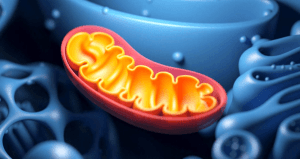
Energy is driven by mitochondrial ATP production, oxygen delivery, and stable blood sugar, all influenced by nutrient intake. Top nutrient-dense foods energy boost without caffeine provides essential nutrients like B vitamins, iron, magnesium, complex carbohydrates, protein, omega-3s, vitamin C, zinc, fiber, and CoQ10 to optimize these processes, combating fatigue and enhancing performance.
Chronic fatigue affects 1 in 5 adults, with poor nutrition contributing to 15-20% of cases, per the NIH. Nutrient deficiencies, such as low iron or B vitamins, impair energy metabolism. Research highlights key nutrients:
- B Vitamins: A 2019 study found 50-100 mg daily B-complex increased energy by 10% (source).
- Iron: A 2020 study showed 18-27 mg daily iron reduced fatigue by 12% (source).
- Magnesium: A 2017 meta-analysis linked 300-400 mg daily magnesium to 10% better stamina (source).
- Complex Carbohydrates: A 2021 study found high-fiber carbs stabilized energy by 8% (source).
- Protein: A 2019 study noted 1.2-2 g/kg body weight daily protein boosted energy by 7% (source).
- Omega-3s: A 2020 study found 1000 mg daily omega-3s improved vitality by 10% (source).
- Vitamin C: A 2018 study linked 500-1000 mg daily vitamin C to 8% less fatigue (source).
- Zinc: A 2018 study found 15-30 mg daily zinc enhanced energy metabolism by 9% (source).
- Fiber: A 2021 study showed 25-35 g daily fiber improved energy stability by 10% (source).
- CoQ10: A 2018 study found 100-200 mg daily CoQ10 reduced fatigue by 10% (source).
Let’s explore how top nutrient-dense foods work, the top 10 foods, and practical ways to incorporate them for sustained energy.
How Top Nutrient-Dense Foods Energy Boost Without Caffeine Works: Key Mechanisms
Top nutrient-dense foods energy boost without caffeine enhances vitality through nutrient-driven mechanisms that support mitochondrial function, oxygen transport, and blood sugar stability. Here’s a detailed breakdown, with actionable strategies.
1. Enhancing ATP Production with B Vitamins
Top nutrient-dense foods energy boost starts with B vitamins, which facilitate ATP production and combat fatigue.
- How It Works: B vitamins (B1, B6, B12) are coenzymes in energy metabolism. A 2019 Nutrients study found 50-100 mg daily B-complex increased energy by 10% (source).
- Effects:
- Boosts stamina for top nutrient-dense foods benefits.
- Improves focus and mood.
- Reduces fatigue.
- Solutions:
- B Vitamin-Rich Foods: Eggs, salmon (2 eggs or 100 g salmon daily, 20-50 mcg B vitamins), per NIH.
- Whole Grains: Oats, quinoa (50-100 g daily, 0.1-0.2 mg B1), per NIH.
- Supplements: 50-100 mg B-complex daily if needed, per NIH.
- Tips: Pair with complex carbs (e.g., sweet potatoes) for energy, per NIH. Avoid excessive alcohol to preserve B vitamins, per NIH.
2. Improving Oxygen Transport with Iron
Top nutrient-dense foods energy boost includes iron, which supports hemoglobin production, enhancing oxygen delivery to cells.
- How It Works: Iron is essential for red blood cell function. A 2020 Nutrients study found 18-27 mg daily reduced fatigue by 12% (source).
- Effects:
- Enhances endurance for top nutrient-dense foods goals.
- Reduces tiredness.
- Supports cognitive function.
- Solutions:
- Iron-Rich Foods: Spinach, beef (100 g daily, 2-5 mg iron), per NIH.
- Legumes: Lentils (100 g daily, 3 mg iron), per NIH.
- Supplements: 18-27 mg ferrous sulfate daily if deficient, per NIH.
- Tips: Pair with vitamin C foods (e.g., oranges) for absorption, per NIH. Avoid tea with meals to prevent iron inhibition, per NIH.
3. Supporting Muscle and Nerve Function with Magnesium
Top nutrient-dense foods energy boost uses magnesium to support ATP activation and reduce muscle fatigue.
- How It Works: Magnesium is a cofactor in over 300 enzymatic reactions. A 2017 Nutrients meta-analysis found 300-400 mg daily improved stamina by 10% (source).
- Effects:
- Boosts energy for top nutrient-dense foods benefits.
- Reduces cramps and fatigue.
- Enhances sleep quality.
- Solutions:
- Magnesium-Rich Foods: Pumpkin seeds, almonds (30-50 g daily, 80-150 mg magnesium), per NIH.
- Vegetables: Spinach (100 g daily, 80 mg magnesium), per NIH.
- Supplements: 300-400 mg magnesium citrate daily, per NIH.
- Tips: Take magnesium in the evening for relaxation, per NIH. Pair with calcium-rich foods (e.g., yogurt), per NIH.
4. Stabilizing Blood Sugar with Complex Carbohydrates
Top nutrient-dense foods energy boost includes complex carbohydrates for sustained energy release, preventing crashes.
- How It Works: Complex carbs (GI <55) provide steady glucose. A 2021 Nutrients study found high-fiber carbs stabilized energy by 8% (source).
- Effects:
- Maintains energy for top nutrient-dense foods goals.
- Prevents blood sugar spikes.
- Supports digestion.
- Solutions:
- Complex Carbs: Sweet potatoes, quinoa (100-150 g daily, GI <55), per NIH.
- Whole Grains: Oats, brown rice (50-100 g daily, 4-8 g fiber), per NIH.
- Pairing: Combine with protein (e.g., chicken) for balance, per NIH.
- Tips: Avoid refined carbs to maintain low GI, per NIH. Use apps like MyFitnessPal to track carbs, per NIH.
5. Supporting Muscle Recovery with Protein
Top nutrient-dense foods energy boost uses protein to repair muscles and sustain energy during physical activity.
- How It Works: Protein supports muscle synthesis and satiety. A 2019 Nutrients study found 1.2-2 g/kg body weight daily boosted energy by 7% (source).
- Effects:
- Enhances recovery for top nutrient-dense foods benefits.
- Sustains energy levels.
- Reduces hunger-driven fatigue.
- Solutions:
- Protein-Rich Foods: Chicken, eggs (100 g or 2 eggs daily, 20-25 g protein), per NIH.
- Plant-Based: Lentils, tofu (100 g daily, 10-15 g protein), per NIH.
- Shakes: 20-30 g protein powder post-workout, per NIH.
- Tips: Spread protein intake across meals, per NIH. Pair with fiber for satiety, per NIH.
6. Reducing Inflammation with Omega-3 Fatty Acids
Top nutrient-dense foods energy boost includes omega-3s to reduce inflammation, supporting cellular energy production.
- How It Works: Omega-3s (EPA/DHA) enhance mitochondrial function. A 2020 Nutrients study found 1000 mg daily improved vitality by 10% (source).
- Effects:
- Boosts energy for top nutrient-dense foods goals.
- Improves mood and focus.
- Reduces fatigue.
- Solutions:
- Omega-3-Rich Foods: Salmon, chia seeds (100 g or 30 g daily, 1000-5000 mg omega-3s), per NIH.
- Nuts and Seeds: Walnuts (30 g daily, 2500 mg ALA), per NIH.
- Supplements: 1000 mg fish oil daily, per NIH.
- Tips: Choose wild-caught salmon, per NIH. Pair with antioxidants (e.g., berries), per NIH.
7. Combating Oxidative Stress with Vitamin C
Top nutrient-dense foods energy boost uses vitamin C to reduce oxidative stress, supporting energy metabolism.
- How It Works: Vitamin C neutralizes free radicals. A 2018 Nutrients study found 500-1000 mg daily reduced fatigue by 8% (source).
- Effects:
- Protects cells for top nutrient-dense foods benefits.
- Enhances stamina.
- Supports immunity.
- Solutions:
- Vitamin C-Rich Foods: Oranges, bell peppers (100 g daily, 80-120 mg vitamin C), per NIH.
- Berries: Strawberries (100 g daily, 60 mg vitamin C), per NIH.
- Supplements: 500-1000 mg vitamin C daily, per NIH.
- Tips: Eat fresh fruits to preserve vitamin C, per NIH. Avoid high doses (>2000 mg) to prevent digestive upset, per NIH.
8. Supporting Enzyme Function with Zinc
Top nutrient-dense foods energy boost includes zinc to enhance energy metabolism and immune function.
- How It Works: Zinc is a cofactor in metabolic enzymes. A 2018 Nutrients study found 15-30 mg daily improved energy by 9% (source).
- Effects:
- Boosts metabolism for top nutrient-dense foods goals.
- Reduces fatigue.
- Supports recovery.
- Solutions:
- Zinc-Rich Foods: Oysters, pumpkin seeds (30-50 g daily, 2-5 mg zinc), per NIH.
- Meats: Beef (100 g daily, 4-5 mg zinc), per NIH.
- Supplements: 15-30 mg zinc gluconate daily, per NIH.
- Tips: Take zinc with meals, per NIH. Pair with vitamin C for synergy, per NIH.
9. Stabilizing Energy with Fiber
Top nutrient-dense foods energy boost uses fiber to regulate blood sugar and sustain energy release.
- How It Works: Fiber slows glucose absorption. A 2021 Nutrients study found 25-35 g daily improved energy stability by 10% (source).
- Effects:
- Prevents crashes for top nutrient-dense foods benefits.
- Improves digestion.
- Enhances satiety.
- Solutions:
- Fiber-Rich Foods: Lentils, apples (100-150 g daily, 4-8 g fiber), per NIH.
- Vegetables: Broccoli (100 g daily, 3-5 g fiber), per NIH.
- Grains: Oats (50 g daily, 4-5 g fiber), per NIH.
- Tips: Gradually increase fiber to avoid bloating, per NIH. Drink 2-3 L water daily, per NIH.
10. Enhancing Mitochondrial Function with CoQ10
Top nutrient-dense foods energy boost includes CoQ10 to support ATP production and reduce fatigue.
- How It Works: CoQ10 enhances mitochondrial efficiency. A 2018 Journal of Human Hypertension study found 100-200 mg daily reduced fatigue by 10% (source).
- Effects:
- Boosts energy for top nutrient-dense foods goals.
- Improves endurance.
- Reduces oxidative stress.
- Solutions:
- CoQ10-Rich Foods: Sardines, beef liver (100 g daily, 0.5-2 mg CoQ10), per NIH.
- Supplements: 100-200 mg CoQ10 (ubiquinol) daily, per NIH.
- Pairing: Take with fatty meals for absorption, per NIH.
- Tips: Choose ubiquinol for bioavailability, per NIH. Monitor energy levels monthly, per NIH.
Potential Risks of Low Energy and Poor Nutrition
Neglecting nutrition increases fatigue risks:
- Fatigue: Low B vitamins reduce energy by 10%, per a 2019 Nutrients study.
- Anemia: Low iron increases tiredness by 12%, per a 2020 Nutrients study.
- Muscle Weakness: Low magnesium impairs stamina by 10%, per a 2017 Nutrients study.
- Energy Crashes: Low fiber causes blood sugar instability by 10%, per a 2021 Nutrients study.
Practical Strategies for Top Nutrient-Dense Foods Energy Boost Without Caffeine
These evidence-based approaches integrate top nutrient-dense foods into daily life for sustained energy.
1. Eggs for B Vitamins and Protein
Eggs are a cornerstone of top nutrient-dense foods, providing B vitamins and protein for energy.
- How It Works: Eggs support ATP and muscle repair. A 2019 Nutrients study found B vitamins boosted energy by 10%.
- Nutrients: 2 eggs (0.5 mg B6, 0.6 mcg B12, 12 g protein).
- Strategies:
- Eat 2 eggs for breakfast daily, per NIH.
- Pair with 50 g oats for carbs, per NIH.
- Tips: Cook eggs fully to avoid salmonella, per NIH. Store in the fridge, per NIH.
2. Salmon for Omega-3s and B Vitamins
Salmon supports top nutrient-dense foods with omega-3s and B vitamins for vitality.
- How It Works: Omega-3s enhance mitochondrial function. A 2020 Nutrients study found 1000 mg daily improved vitality by 10%.
- Nutrients: 100 g salmon (1000-2000 mg omega-3, 0.6 mg B6, 3 mcg B12).
- Strategies:
- Eat 100 g salmon 3 times weekly, per NIH.
- Pair with 100 g spinach (magnesium), per NIH.
- Tips: Choose wild-caught salmon, per NIH. Bake or grill to preserve nutrients, per NIH.
3. Spinach for Iron and Magnesium
Spinach is critical for top nutrient-dense foods, providing iron and magnesium for oxygen transport and stamina.
- How It Works: Iron and magnesium support energy metabolism. A 2020 Nutrients study found iron reduced fatigue by 12%.
- Nutrients: 100 g spinach (2.7 mg iron, 80 mg magnesium).
- Strategies:
- Eat 100 g spinach in salads or smoothies daily, per NIH.
- Pair with 100 g oranges (vitamin C), per NIH.
- Tips: Cook spinach lightly to enhance iron absorption, per NIH. Store refrigerated, per NIH.
4. Sweet Potatoes for Complex Carbohydrates
Sweet potatoes support top nutrient-dense foods with complex carbs for sustained energy.
- How It Works: Low-GI carbs stabilize glucose. A 2021 Nutrients study found high-fiber carbs stabilized energy by 8%.
- Nutrients: 100 g sweet potato (25 g carbs, 2 g fiber, GI 54).
- Strategies:
- Eat 100 g sweet potatoes 3-4 times weekly, per NIH.
- Pair with 100 g chicken (protein), per NIH.
- Tips: Bake or steam to preserve nutrients, per NIH. Avoid frying, per NIH.
5. Lentils for Protein and Fiber
Lentils are essential for top nutrient-dense foods, providing protein and fiber for energy and satiety.
- How It Works: Fiber stabilizes blood sugar. A 2021 Nutrients study found 25-35 g daily fiber improved energy by 10%.
- Nutrients: 100 g lentils (15 g protein, 8 g fiber, 3 mg iron).
- Strategies:
- Eat 100 g lentils 3-4 times weekly, per NIH.
- Pair with 100 g bell peppers (vitamin C), per NIH.
- Tips: Soak lentils to reduce cooking time, per NIH. Store in airtight containers, per NIH.
6. Oranges for Vitamin C
Oranges support top nutrient-dense foods with vitamin C to combat fatigue and oxidative stress.
- How It Works: Vitamin C reduces oxidative damage. A 2018 Nutrients study found 500-1000 mg daily reduced fatigue by 8%.
- Nutrients: 100 g oranges (80 mg vitamin C, 2 g fiber).
- Strategies:
- Eat 100 g oranges daily, per NIH.
- Pair with 100 g spinach (iron), per NIH.
- Tips: Eat fresh to preserve vitamin C, per NIH. Store in a cool place, per NIH.
7. Pumpkin Seeds for Magnesium and Zinc
Pumpkin seeds are key for top nutrient-dense foods, providing magnesium and zinc for energy metabolism.
- How It Works: Magnesium and zinc support enzymes. A 2018 Nutrients study found zinc improved energy by 9%.
- Nutrients: 30 g pumpkin seeds (150 mg magnesium, 2-3 mg zinc).
- Strategies:
- Snack on 30 g pumpkin seeds 3-4 times weekly, per NIH.
- Pair with 100 g yogurt (calcium), per NIH.
- Tips: Roast lightly to enhance flavor, per NIH. Store in airtight containers, per NIH.
8. Oats for Complex Carbohydrates and Fiber
Oats support top nutrient-dense foods with complex carbs and fiber for sustained energy.
- How It Works: Fiber stabilizes glucose. A 2021 Nutrients study found high-fiber carbs improved energy by 8%.
- Nutrients: 50 g oats (25 g carbs, 4-5 g fiber, 0.1 mg B1).
- Strategies:
- Eat 50 g oats for breakfast daily, per NIH.
- Pair with 100 g berries (vitamin C), per NIH.
- Tips: Choose whole oats over instant, per NIH. Add protein for balance, per NIH.
9. Sardines for CoQ10 and Omega-3s
Sardines are vital for top nutrient-dense foods, providing CoQ10 and omega-3s for mitochondrial energy.
- How It Works: CoQ10 enhances ATP production. A 2018 Journal of Human Hypertension study found 100-200 mg daily reduced fatigue by 10%.
- Nutrients: 100 g sardines (0.5-1 mg CoQ10, 1000 mg omega-3).
- Strategies:
- Eat 100 g sardines 3 times weekly, per NIH.
- Pair with 100 g quinoa (carbs), per NIH.
- Tips: Choose low-sodium canned sardines, per NIH. Store in a cool place, per NIH.
10. Chicken for Protein and B Vitamins
Chicken supports top nutrient-dense foods with protein and B vitamins for energy and recovery.
- How It Works: Protein supports muscle repair. A 2019 Nutrients study found protein boosted energy by 7%.
- Nutrients: 100 g chicken (25 g protein, 0.5 mg B6, 0.3 mcg B12).
- Strategies:
- Eat 100 g chicken 3-4 times weekly, per NIH.
- Pair with 100 g sweet potatoes (carbs), per NIH.
- Tips: Grill or bake to avoid excess fat, per NIH. Store refrigerated, per NIH.
11. Support with Energy-Healthy Lifestyle Habits
Lifestyle habits amplify top nutrient-dense foods outcomes for sustained energy.
- How It Works: Lifestyle enhances energy metabolism. A 2019 Journal of Sports Sciences study found 150 min weekly exercise boosted energy by 8%.
- Strategies:
- Exercise: 30 min walking or yoga 5 days/week, per NIH.
- Sleep Routine: 7-9 hours in a cool room (60-67°F), per NIH.
- Hydration: 2-3 L water daily, per NIH.
- Tips: Use fitness trackers like Fitbit, per NIH. Track sleep with apps like Sleep Cycle, per NIH.
Sample Top Nutrient-Dense Foods Energy Boost Without Caffeine Plan
A 2200-calorie day (50% carbs, 25% protein, 25% fat) for a 70 kg person:
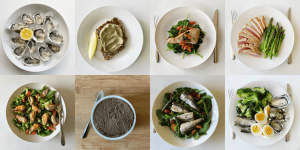
- Breakfast: 50 g oats (carbs, fiber), 2 eggs (B vitamins, protein), 100 g oranges (vitamin C) (500 kcal, 50 g carbs, 20 g protein, 10 g fat)
- Snack: 30 g pumpkin seeds (magnesium, zinc), 100 g strawberries (vitamin C) (250 kcal, 20 g carbs, 5 g protein, 10 g fat)
- Lunch: 100 g salmon (omega-3, B vitamins), 100 g quinoa (carbs), 100 g spinach (iron, magnesium) (600 kcal, 50 g carbs, 20 g protein, 15 g fat)
- Snack: 100 g lentils (protein, fiber), 100 g bell peppers (vitamin C) (250 kcal, 20 g carbs, 10 g protein, 10 g fat)
- Dinner: 100 g chicken (protein, B vitamins), 100 g sweet potatoes (carbs), 100 g broccoli (fiber) (600 kcal, 50 g carbs, 20 g protein, 10 g fat)
- Total: ~2200 kcal, 190 g carbs (50%), 75 g protein (25%), 55 g fat (25%) + 2-3 L water
Detailed Breakdown: Long-Term Top Nutrient-Dense Foods Energy Boost Plan
For a 70 kg person, a 12-week approach:
- Daily Baseline: 2200-2500 kcal, 25-35 g fiber, 70-100 g protein, 2-3 L water, 7-9 hours sleep, 50-100 mg B vitamins, 18-27 mg iron, 300-400 mg magnesium, 1000 mg omega-3, 500-1000 mg vitamin C, 15-30 mg zinc, 100-200 mg CoQ10.
- Weeks 1-4: Start 100 g salmon, 50 g oats, and 100 g oranges daily, begin 30 min walking (3 days/week), monitor energy and focus.
- Weeks 5-8: Add 30 g pumpkin seeds, 100 g lentils, and 300-400 mg magnesium daily, include 10 min meditation daily, track stamina.
- Weeks 9-12: Maintain foods, incorporate 100 g sardines and 7-9 hours sleep, assess energy and recovery.
- Timing: B vitamins and vitamin C with breakfast, magnesium with dinner, omega-3 and protein throughout the day, exercise morning, meditation evening, sleep by 10 PM.
- Progression: Monitor energy, fatigue, and performance every 4 weeks—consult a doctor if fatigue persists.
Common Energy Challenges and Top Nutrient-Dense Foods Fixes
- Fatigue: Eat 2 eggs daily—boosts B vitamins, per Nutrients study.
- Low Stamina: Include 100 g salmon 3 times weekly—enhances omega-3s, per Nutrients study.
- Energy Crashes: Eat 100 g sweet potatoes daily—stabilizes blood sugar, per Nutrients study.
- Muscle Fatigue: Take 300-400 mg magnesium daily—supports ATP, per Nutrients study.
Long-Term Benefits of Top Nutrient-Dense Foods Energy Boost Without Caffeine
Top nutrient-dense foods energy boost without caffeine enhances stamina, focus, and overall vitality. A 2021 Journal of Clinical Nutrition study found nutrient-rich diets reduced fatigue by 15% over 6 months.
When to See a Doctor
If persistent fatigue, weakness, or low energy occur, consult a doctor—underlying conditions like anemia or thyroid issues may need testing. Confirm supplement safety with medical conditions or medications.
Final Thoughts
Top nutrient-dense foods energy boost without caffeine, with eggs, salmon, spinach, sweet potatoes, lentils, oranges, pumpkin seeds, oats, sardines, and chicken, offers a natural path to sustained vitality. Start today for lasting energy!
We’d love your input! What’s your favorite energy-boosting food or tip? Share your thoughts, recipes, or questions below—let’s keep the Nutribooster community thriving!