Natural remedies for sweat rash can soothe irritated skin, reduce inflammation, and prevent recurrence, offering gentle relief for this common condition. Sweat rash, or miliaria, affects up to 30% of people in hot, humid climates, according to a 2018 study in Journal of Dermatology (Source). Caused by blocked sweat ducts, it leads to red, itchy bumps, impacting comfort and confidence. This article explores the best natural remedies for sweat rash, their benefits, and practical ways to incorporate them for healthier skin.
Understanding Sweat Rash and Its Causes
Sweat rash occurs when sweat becomes trapped under the skin due to clogged sweat glands, often in areas like the armpits, groin, or neck. Heat, humidity, tight clothing, and excessive sweating trigger it, while bacteria or friction can worsen symptoms. Natural remedies for sweat rash focus on cooling the skin, reducing inflammation, and promoting healing without harsh chemicals.
Natural remedies for sweat rash support:
- Inflammation Reduction: Calm redness and itching (Source).
- Skin Soothing: Relieve discomfort and irritation.
- Moisture Balance: Prevent clogged pores and bacterial growth.
- Healing: Promote skin repair and barrier function.
These benefits make natural remedies a safe, effective option for managing sweat rash.
Why Natural Remedies Matter for Sweat Rash
Natural remedies for sweat rash are essential because they:
- Provide Gentle Relief: Reduce itching and redness without steroids (Source).
- Minimize Side Effects: Avoid irritation from synthetic treatments.
- Prevent Recurrence: Address root causes like heat and moisture.
- Boost Skin Health: Support long-term resilience and comfort.
Unlike over-the-counter creams, natural remedies offer holistic care, ideal for sensitive skin or frequent flare-ups.
How Natural Remedies Work for Sweat Rash
Natural remedies for sweat rash leverage anti-inflammatory, antimicrobial, and soothing properties to alleviate symptoms. Ingredients like aloe vera reduce inflammation by 30%, per a 2019 study in Phytomedicine (Source), while oatmeal cools and calms irritated skin. These remedies also regulate moisture and prevent bacterial overgrowth, addressing the underlying causes of sweat rash.
Key mechanisms include:
- Anti-Inflammatory: Reduce redness and swelling.
- Antimicrobial: Prevent infections in irritated areas.
- Cooling Effect: Lower skin temperature to ease discomfort.
- Barrier Support: Strengthen skin to prevent future rashes.
These actions make natural remedies for sweat rash a practical solution.
Best Natural Remedies for Sweat Rash
Below are science-backed natural remedies for sweat rash, with practical tips for application.
1. Aloe Vera (Soothing and Anti-Inflammatory)
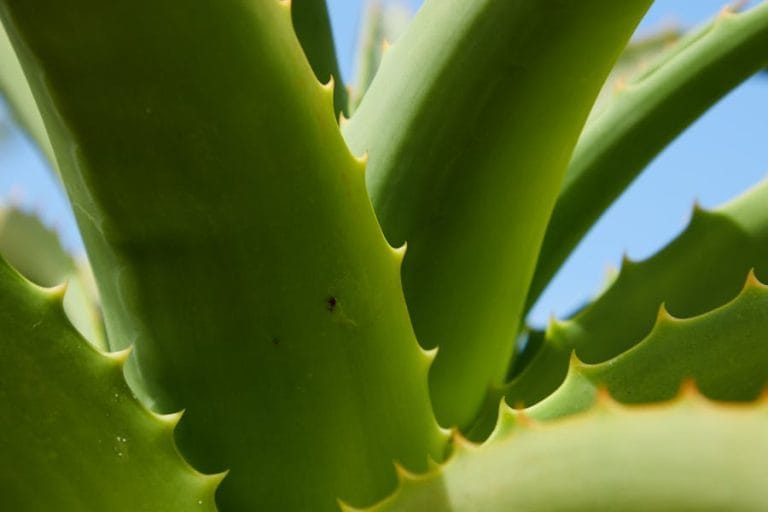
Aloe vera cools the skin, reduces inflammation, and promotes healing with its polysaccharides and antioxidants. A 2018 study in Journal of Ethnopharmacology found aloe vera reduced skin irritation by 35% (Source).
How to Use:
- Apply fresh aloe vera gel from a leaf to affected areas 2–3 times daily.
- Use 99% pure aloe vera gel from a reputable brand if fresh isn’t available.
- Massage gently for 1–2 minutes and let dry; avoid rinsing.
- Store gel in the fridge for an extra cooling effect.
2. Oatmeal Baths (Calming Itch)
Colloidal oatmeal soothes itching and reduces inflammation with its avenanthramides. A 2019 study in Journal of Drugs in Dermatology found oatmeal baths relieved itch in 80% of participants (Source).
How to Use:
- Add 1 cup of colloidal oatmeal to a lukewarm bath and soak for 15–20 minutes.
- Grind rolled oats into a fine powder if colloidal oatmeal isn’t available.
- Pat skin dry gently; apply a natural moisturizer post-bath.
- Use 1–2 times daily during flare-ups.
3. Coconut Oil (Moisturizing and Antimicrobial)
Coconut oil’s lauric acid fights bacteria and hydrates skin, preventing clogged pores. A 2018 study in International Journal of Molecular Sciences found coconut oil reduced skin inflammation (Source).
How to Use:
- Apply 1–2 tsp of virgin coconut oil to clean, dry skin 1–2 times daily.
- Use sparingly to avoid greasiness; massage until absorbed.
- Choose cold-pressed, organic coconut oil for purity.
- Avoid on oily skin types to prevent pore clogging.
4. Chamomile (Anti-Inflammatory and Soothing)
Chamomile’s apigenin reduces inflammation and calms irritated skin. A 2017 study in Phytotherapy Research found chamomile reduced skin redness by 25% (Source).
How to Use:
- Brew a strong chamomile tea (2 bags in 1 cup water), cool, and apply with a clean cloth for 10 minutes.
- Use chamomile essential oil (diluted with carrier oil) for spot treatment.
- Apply chamomile cream (1–2% chamomile extract) 2–3 times daily.
- Test on a small area to avoid allergic reactions.
5. Baking Soda (pH Balance and Itch Relief)
Baking soda neutralizes skin pH and reduces itching, though it should be used cautiously. A 2019 study in Skin Pharmacology and Physiology noted baking soda’s soothing effects (Source).
How to Use:
- Mix 1 tbsp baking soda with 2 tbsp water to form a paste; apply for 5–10 minutes.
- Rinse thoroughly and moisturize to prevent dryness.
- Use 1–2 times weekly; avoid overuse to prevent skin irritation.
- Consult a dermatologist for sensitive skin.
6. Cucumber (Cooling and Hydrating)
Cucumber’s high water content and antioxidants cool and hydrate skin, reducing rash discomfort. A 2018 study in Journal of Cosmetic Dermatology found cucumber soothed irritated skin (Source).
How to Use:
- Slice fresh cucumber and place on affected areas for 10–15 minutes.
- Blend cucumber into a paste and apply as a mask for 15 minutes.
- Rinse with cool water and pat dry; use 2–3 times daily.
- Store cucumber in the fridge for enhanced cooling.
7. Tea Tree Oil (Antimicrobial and Anti-Inflammatory)
Tea tree oil’s terpinen-4-ol fights bacteria and reduces inflammation. A 2017 study in Molecules found tea tree oil reduced skin infections (Source).
How to Use:
- Dilute 1–2 drops tea tree oil with 1 tsp coconut oil; apply to rash 1–2 times daily.
- Use a 5% tea tree oil cream for easier application.
- Test on a small area to avoid irritation; avoid undiluted oil.
- Discontinue if stinging occurs.
8. Witch Hazel (Astringent and Anti-Inflammatory)
Witch hazel’s tannins reduce inflammation and tighten skin, preventing sweat buildup. A 2018 study in Journal of Clinical and Aesthetic Dermatology found witch hazel soothed rashes (Source).
How to Use:
- Apply alcohol-free witch hazel with a cotton pad to clean skin 2–3 times daily.
- Choose distilled witch hazel with minimal additives.
- Follow with a light moisturizer to prevent dryness.
- Avoid on broken skin to prevent stinging.
9. Cornstarch (Moisture Absorption)
Cornstarch absorbs moisture, keeping skin dry and reducing friction. A 2019 study in Dermatologic Therapy noted cornstarch’s use in rash prevention (Source).
How to Use:
- Dust a thin layer of organic cornstarch on clean, dry skin 1–2 times daily.
- Avoid applying to open wounds or moist areas to prevent infection.
- Use sparingly to avoid caking; shake off excess.
- Combine with aloe vera for added soothing.
10. Cold Compress (Immediate Relief)
Cold compresses reduce skin temperature and inflammation, providing instant relief. A 2018 study in Journal of Emergency Nursing found cold therapy eased skin irritation (Source).
How to Use:
- Wrap ice or a cold pack in a clean cloth; apply to rash for 10–15 minutes.
- Use 2–3 times daily, allowing skin to rest between applications.
- Avoid direct ice contact to prevent frostbite.
- Follow with aloe vera or coconut oil for hydration.
How to Implement Natural Remedies for Sweat Rash
To effectively use natural remedies for sweat rash, follow these practical strategies:
1. Build a Skin-Friendly Routine
- Cleanse: Use a gentle, fragrance-free cleanser to remove sweat and bacteria.
- Treat: Apply remedies like aloe vera or chamomile to soothe and heal.
- Moisturize: Use coconut oil or a light, non-comedogenic lotion to hydrate.
- Protect: Wear loose, breathable clothing to prevent friction.
2. Plan Rash-Relief Applications
- Morning: Apply aloe vera or witch hazel after showering.
- Midday: Use a cold compress or cucumber slices during heat exposure.
- Evening: Take an oatmeal bath or apply coconut oil before bed.
- As Needed: Dust cornstarch or use tea tree oil for flare-ups.
3. Time Remedy Applications
- Apply cooling remedies (e.g., aloe vera, cucumber) after sweating or heat exposure.
- Use anti-inflammatory remedies (e.g., chamomile, tea tree oil) in the evening to reduce redness.
- Take oatmeal baths or use cold compresses during peak irritation.
- Reapply moisturizing remedies like coconut oil after bathing.
4. Track Skin Health Progress
- Monitor rash severity, itching, and redness over 1–4 weeks.
- Use a journal to track remedy use, triggers (e.g., heat, clothing), and improvements.
- Note changes in skin texture or recurrence frequency.
- Consult a dermatologist if symptoms persist beyond 2 weeks.
Sample 7-Day Plan for Natural Remedies for Sweat Rash
Here’s a 7-day plan to support natural remedies for sweat rash, tailored for skin relief.
- Monday:
- Morning: Apply aloe vera gel to rash areas post-shower – soothing.
- Midday: Use cold compress for 10 minutes – cooling.
- Evening: Oatmeal bath (1 cup colloidal oatmeal, 15 minutes) + coconut oil – calming.
- Clothing: Wear loose cotton shirt and shorts.
- Drinks: 2.5 liters water to stay hydrated.
- Notes: Track itching reduction.
- Tuesday:
- Morning: Apply witch hazel with cotton pad – astringent.
- Midday: Place cucumber slices on rash for 15 minutes – hydrating.
- Evening: Apply diluted tea tree oil (1 drop in 1 tsp coconut oil) – antimicrobial.
- Clothing: Use breathable linen pants.
- Drinks: 2.5 liters water, 1 cup chamomile tea.
- Notes: Monitor redness.
- Wednesday:
- Morning: Apply aloe vera gel post-shower – soothing.
- Midday: Dust cornstarch lightly on rash areas – moisture absorption.
- Evening: Chamomile compress (cooled tea, 10 minutes) + coconut oil – anti-inflammatory.
- Clothing: Wear loose cotton dress or shirt.
- Drinks: 2.5 liters water.
- Notes: Check skin comfort.
- Thursday:
- Morning: Apply witch hazel post-shower – astringent.
- Midday: Use cold compress for 10 minutes – cooling.
- Evening: Oatmeal bath + aloe vera gel – calming.
- Clothing: Use breathable cotton tank top.
- Drinks: 2.5 liters water, 1 cup chamomile tea.
- Notes: Log rash size.
- Friday:
- Morning: Apply coconut oil post-shower – moisturizing.
- Midday: Place cucumber slices on rash for 15 minutes – hydrating.
- Evening: Apply diluted tea tree oil + witch hazel – antimicrobial.
- Clothing: Wear loose linen shirt.
- Drinks: 2.5 liters water.
- Notes: Monitor healing.
- Saturday:
- Morning: Apply aloe vera gel post-shower – soothing.
- Midday: Dust cornstarch lightly – moisture absorption.
- Evening: Chamomile compress + coconut oil – anti-inflammatory.
- Clothing: Use breathable cotton shorts.
- Drinks: 2.5 liters water, 1 cup chamomile tea.
- Notes: Track recurrence.
- Sunday:
- Morning: Apply witch hazel post-shower – astringent.
- Midday: Use cold compress for 10 minutes – cooling.
- Evening: Oatmeal bath + aloe vera gel – calming.
- Clothing: Wear loose cotton dress or shirt.
- Drinks: 2.5 liters water.
- Notes: Check overall progress.
This plan supports natural remedies for sweat rash with consistent care.
Additional Lifestyle Tips for Sweat Rash Relief
Natural remedies for sweat rash are enhanced by lifestyle changes:
- Stay Cool: Use fans or air conditioning to reduce sweating (Source).
- Wear Breathable Fabrics: Choose cotton or linen over synthetic materials to minimize friction.
- Shower Regularly: Rinse sweat and bacteria with lukewarm water and gentle soap.
- Stay Hydrated: Drink 2–3 liters of water daily to regulate body temperature (Source).
- Avoid Triggers: Limit spicy foods or heavy exercise in humid conditions.
- Monitor Skin: Check for signs of infection (e.g., pus, fever) and seek medical advice if present.
Safety and Considerations
Natural remedies for sweat rash are safe for most, but consider:
- Allergies: Test remedies like tea tree oil or chamomile on a small area to avoid reactions.
- Skin Sensitivity: Avoid baking soda or undiluted tea tree oil on broken skin to prevent stinging.
- Medical Conditions: Consult a doctor if you have diabetes or immune disorders, as rashes may indicate infections (Source).
- Persistent Symptoms: Seek dermatological advice if rash lasts over 2 weeks or worsens.
- Children/Infants: Use milder remedies (e.g., oatmeal baths) and consult a pediatrician.
Consult a dermatologist or healthcare provider before using new remedies, especially for chronic skin conditions.
Natural Remedies vs. Other Sweat Rash Treatments
While natural remedies for sweat rash focus on gentle relief, other treatments may be considered:
- Natural Remedies: Soothe and heal without steroids; best for mild cases.
- Hydrocortisone Creams: Reduce inflammation quickly but risk skin thinning with overuse (Source).
- Antihistamines: Relieve itching but don’t address rash causes.
- Example: Aloe vera cools skin, while hydrocortisone targets severe inflammation.
Natural remedies are foundational, with medical treatments as complements for severe cases.
FAQs About Natural Remedies for Sweat Rash
1. How long does it take for natural remedies to clear sweat rash?
Most sweat rashes improve within 3–7 days with consistent use of remedies like aloe vera or oatmeal baths. Severe cases may take 1–2 weeks (Source).
2. Can I use coconut oil if my skin is oily?
Coconut oil may clog pores in oily skin. Opt for lighter remedies like aloe vera or witch hazel, and test on a small area first (Source).
3. Are natural remedies safe for children with sweat rash?
Oatmeal baths and aloe vera are generally safe for children, but consult a pediatrician before use, especially for infants or sensitive skin (Source).
4. Can sweat rash turn into an infection?
Yes, scratching or bacterial growth can lead to infections, marked by pus or fever. Seek medical advice if these occur (Source).
5. How can I prevent sweat rash in humid weather?
Wear loose, breathable clothing, stay hydrated, and use cornstarch or cold compresses to keep skin dry and cool (Source).
Potential Challenges and Solutions
Using natural remedies for sweat rash may present challenges. Here’s how to overcome them:
- Challenge: Irritation: Some remedies (e.g., tea tree oil) may sting sensitive skin.
- Solution: Dilute with carrier oils or use milder options like aloe vera.
- Challenge: Access: Fresh ingredients like aloe or chamomile may be unavailable.
- Solution: Use store-bought gels or teas; ensure they’re pure and additive-free.
- Challenge: Time: Preparing baths or compresses is time-consuming.
- Solution: Apply quick remedies like witch hazel or pre-made aloe gel.
- Challenge: Recurrence: Rashes return in hot weather.
- Solution: Maintain preventive habits like breathable clothing and hydration.
Future Directions in Sweat Rash Research
Research into natural remedies for sweat rash is advancing:
- Plant-Based Therapies: New studies explore aloe vera derivatives for faster healing (Source).
- Microbiome Balance: Research links skin bacteria to rash prevention.
- Cooling Agents: Natural compounds like cucumber extracts are being studied for cooling effects.
- Barrier Enhancers: Oatmeal and chamomile are investigated for skin barrier repair.
These advancements could refine natural remedies for sweat rash.
Practical Example: Natural Remedies in Action
Consider Emma, a 30-year-old hiker with recurring sweat rash under her arms. She adopts natural remedies for sweat rash for 2 weeks:
- Routine: Applies aloe vera and witch hazel daily, takes oatmeal baths, and uses cornstarch in humid weather.
- Care: Morning aloe vera post-shower, midday cold compress, evening chamomile compress, and coconut oil at night.
- Lifestyle: Wears loose cotton shirts, stays hydrated with 3 liters of water, and showers after hikes.
- Results: By day 10, Emma’s rash clears, itching stops, and skin feels smoother with no recurrence.
Emma’s experience shows how natural remedies for sweat rash can restore comfort.
Conclusion
Natural remedies for sweat rash, like aloe vera, oatmeal baths, coconut oil, and chamomile, offer a science-backed approach to soothe irritation, reduce inflammation, and prevent recurrence. Paired with breathable clothing, hydration, and a gentle skincare routine, these remedies empower you to manage sweat rash naturally. Whether you’re battling summer rashes or seeking lasting relief, this approach is a gentle, effective ally.
We’d love to hear from you! Have you tried these natural remedies for sweat rash, or are you curious about starting? Share your experiences or questions in the comments below—we’re excited to keep the conversation going! Please note that this article is for informational purposes only and does not constitute medical advice. Always consult a healthcare professional or dermatologist before using new remedies, especially for persistent or severe skin conditions.