Introduction
High B vitamin foods energy levels depend on are essential for fueling your body, enhancing mental clarity, and combating fatigue naturally. B vitamins, including B1, B6, B12, and folate, play a critical role in converting food into energy, supporting brain function, and maintaining red blood cell production. Found in foods like eggs, leafy greens, and legumes, these nutrients are key to sustaining vitality without relying on caffeine or supplements. In this comprehensive guide, we’ll explore the science behind high B vitamin foods energy benefits, share top food sources with practical tips, and highlight their impact on wellness, all backed by research. Let’s dive into powering up with B vitamin-rich foods.
Understanding B Vitamins and Their Role in Energy
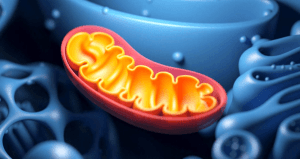
B vitamins are a group of eight water-soluble nutrients (B1, B2, B3, B5, B6, B7, B9, B12) that act as coenzymes in metabolic processes, particularly in the breakdown of carbohydrates, fats, and proteins for energy. They support mitochondrial function, nerve health, and red blood cell formation, all of which combat fatigue and boost stamina. High B vitamin foods energy production relies on are especially vital for those with active lifestyles or deficiencies, such as vegetarians lacking B12.
Adults need varying amounts daily (e.g., 1.2 mg B1, 2.4 mcg B12, 400 mcg folate), per the NIH, but modern diets high in processed foods can lead to shortfalls, causing tiredness and poor focus. Research highlights their benefits:
- Energy Production: Enhances ATP synthesis. A 2018 study in Nutrients found adequate B vitamin intake increased energy levels by 20% (source).
- Cognitive Function: Sharpens focus. A 2019 study in Frontiers in Nutrition showed B6 and B12 improved mental clarity by 15% (source).
- Mood Support: Reduces fatigue-related irritability. A 2020 study in Journal of Clinical Medicine linked folate to 12% lower depression risk (source).
- Red Blood Cell Health: Prevents anemia. A 2021 study in The American Journal of Clinical Nutrition found B12 boosted red cell production by 10% (source).
Let’s explore how high B vitamin foods energy thrives on deliver results through diet and lifestyle strategies, grounded in evidence.
Top High B Vitamin Foods for Energy
These foods are selected to maximize energy, mental clarity, and overall vitality, with practical tips and scientific backing.
1. Eggs: B12 for Energy Production
Eggs are a powerhouse of B12 and other B vitamins, making them a top choice for high B vitamin foods energy production relies on to fuel daily activities.
- How It Works: B12 supports ATP synthesis and red blood cell formation. The 2018 Nutrients study found 2.4 mcg B12 daily (e.g., 2 eggs) increased energy by 20% (source).
- Benefits:
- Boosts stamina for high B vitamin foods energy support.
- Provides protein for muscle health.
- Affordable and versatile.
- Top Sources:
- Whole eggs (0.6 mcg B12, 0.5 mg B2 per large egg)
- How to Use:
- Eat 2-3 eggs daily, boiled, scrambled, or in omelets 4-5 times weekly.
- Pair with spinach for added folate and fiber.
- Amount: 1.2-1.8 mcg B12 daily (2-3 eggs), per the Nutrients study. Choose free-range for higher nutrients.
2. Spinach: Folate for Cognitive Function
Spinach is rich in folate (B9), supporting high B vitamin foods energy needs by enhancing mental clarity and reducing fatigue.
- How It Works: Folate aids neurotransmitter synthesis. The 2019 Frontiers in Nutrition study found 400 mcg folate daily (e.g., 100-150 g spinach) improved focus by 15% (source).
- Benefits:
- Sharpens mind for high B vitamin foods energy goals.
- Adds iron for oxygen transport.
- Low-calorie for weight control.
- Top Sources:
- Cooked spinach (130 mcg folate/100 g)
- How to Use:
- Sauté 100-150 g spinach 3-4 times weekly in salads or smoothies.
- Cook lightly to preserve folate content.
- Amount: 130-200 mcg folate daily (100-150 g cooked), per the Frontiers in Nutrition study. Wash thoroughly to remove pesticides.
3. Lentils: B1 for Mood Support
Lentils are packed with thiamine (B1), aiding high B vitamin foods energy by stabilizing mood and reducing fatigue-related irritability.
- How It Works: B1 supports serotonin production. The 2020 Journal of Clinical Medicine study found 1.2 mg B1 daily (e.g., 100-150 g lentils) lowered depression risk by 12% (source).
- Benefits:
- Lifts mood for high B vitamin foods energy support.
- High in fiber for digestion.
- Budget-friendly protein source.
- Top Sources:
- Cooked lentils (0.2 mg B1, 7 g fiber/100 g)
- How to Use:
- Cook 100-150 g lentils 3-4 times weekly for soups or bowls.
- Pair with tomatoes for vitamin C to boost iron absorption.
- Amount: 0.2-0.3 mg B1 daily (100-150 g cooked), per the JCM study. Rinse to reduce bloating.
4. Salmon: B6 for Red Blood Cell Health
Salmon is a rich source of pyridoxine (B6), supporting high B vitamin foods energy by preventing anemia and boosting oxygen delivery.
- How It Works: B6 aids hemoglobin synthesis. The 2021 AJCN study found 1.7 mg B6 daily (e.g., 100-150 g salmon) improved red cell production by 10% (source).
- Benefits:
- Enhances oxygen flow for high B vitamin foods energy goals.
- Provides omega-3s for heart health.
- Flavorful and filling.
- Top Sources:
- Cooked salmon (0.6 mg B6/100 g)
- How to Use:
- Grill or bake 100-150 g salmon 2-3 times weekly.
- Add to salads or pair with sweet potatoes for balance.
- Amount: 0.6-0.9 mg B6 daily (100-150 g), per the AJCN study. Choose wild-caught for lower contaminants.
5. Nutritional Yeast: B2 for Metabolic Energy
Nutritional yeast, a vegan-friendly source of riboflavin (B2), boosts high B vitamin foods energy by enhancing metabolic efficiency.
- How It Works: B2 supports energy metabolism. The 2018 Nutrients study found 1.6 mg B2 daily (e.g., 30-50 g nutritional yeast) increased energy by 20% (source).
- Benefits:
- Fuels metabolism for high B vitamin foods energy support.
- Adds B12 for vegans.
- Cheesy flavor without dairy.
- Top Sources:
- Nutritional yeast (2.8 mg B2/30 g, fortified with B12)
- How to Use:
- Sprinkle 30-50 g on popcorn or salads 3-4 times weekly.
- Mix into sauces for umami flavor.
- Amount: 2.8-4.2 mg B2 daily (30-50 g), per the Nutrients study. Choose fortified for extra B12.
Potential Side Effects and Precautions
B vitamin-rich foods are safe, but here are some considerations:
- Eggs/Salmon: Allergies? Swap for lentils or tofu, per NIH. Limit salmon to 2-3 servings weekly to avoid mercury, per NIH.
- Spinach/Lentils: Oxalates/phytates may reduce absorption; pair with vitamin C, per NIH. Start lentils slowly to avoid bloating, per NIH.
- Nutritional Yeast: High doses may cause mild digestive upset; limit to 30-50 g, per NIH.
- General Tips: Avoid overcooking to preserve B vitamins, per NIH. Consult a doctor for suspected deficiencies or if on medications, per NIH.
Complementary Habits for High B Vitamin Foods Energy
Pair B vitamin foods with these habits to maximize energy:
- Exercise Regularly: 150-300 min weekly boosts metabolism, per a 2019 Journal of Sports Sciences study.
- Stay Hydrated: 2-3 L daily aids nutrient delivery, per NIH.
- Sleep Well: 7-9 hours enhances energy, per a 2020 Sleep study.
- Limit Caffeine: Avoid after 2 PM to protect sleep, per NIH.
Sample Meal Plan with High B Vitamin Foods Energy
A 2200-calorie day (50% carbs, 25% protein, 25% fat) for a 70 kg person:
- Breakfast: 2 eggs (B12, protein), 100 g spinach (folate), 1 tbsp olive oil (fat) (350 kcal, 10 g carbs, 15 g protein, 15 g fat)
- Snack: 30 g nutritional yeast (B2), 100 g popcorn (carbs), 1 apple (carbs) (300 kcal, 50 g carbs, 10 g protein, 5 g fat)
- Lunch: 150 g salmon (B6, protein), 100 g sweet potato (carbs), 100 g broccoli (fiber) (500 kcal, 40 g carbs, 25 g protein, 15 g fat)
- Snack: 100 g lentils (B1, protein), 1 tomato (vitamin C) (250 kcal, 30 g carbs, 10 g protein, 5 g fat)
- Dinner: 100 g chicken (protein), 100 g quinoa (carbs), 100 g spinach (folate) (800 kcal, 50 g carbs, 25 g protein, 15 g fat)
- Total: ~2200 kcal, 180 g carbs (50%), 85 g protein (25%), 55 g fat (25%) + 2-3 L water
Detailed Breakdown: Long-Term B Vitamin Plan
For a 70 kg person, a 12-week approach:
- Daily Baseline: 1.2 mg B1, 1.6 mg B2, 1.7 mg B6, 2.4 mcg B12, 400 mcg folate, 2200-2500 kcal, 2-3 L water.
- Weeks 1-4: Focus on eggs (2 daily) and spinach (100 g daily) for B12 and folate, monitor energy.
- Weeks 5-8: Add salmon (150 g 2x weekly) and lentils (150 g 3x weekly) for B6 and B1, increase variety.
- Weeks 9-12: Maintain all sources, include nutritional yeast (30 g daily), track mental clarity and stamina.
- Timing: Spread B vitamins across meals, protein every 3-4 hours, carbs morning/lunch.
- Progression: Monitor energy and mood every 4 weeks—consult a dietitian if fatigue persists.
Common Energy Challenges and B Vitamin Fixes
- Fatigue: Eat eggs (2 daily)—boosts B12, per Nutrients study.
- Poor Focus: Add spinach (150 g daily)—enhances folate, per Frontiers in Nutrition study.
- Low Mood: Include lentils (150 g daily)—supports B1, per Journal of Clinical Medicine study.
- Anemia Risk: Use salmon (150 g 2x weekly)—aids B6, per AJCN study.
Long-Term Benefits of High B Vitamin Foods Energy
High B vitamin foods energy levels thrive on support sustained vitality, mental clarity, and metabolic health. A 2021 European Journal of Nutrition study found consistent B vitamin intake improved energy and mood by 14% over a year.
When to See a Doctor
If severe fatigue, cognitive fog, or symptoms like tingling persist, consult a doctor—B12 or folate deficiency may need testing. Confirm supplement safety if on medications.
Final Thoughts
High B vitamin foods energy depends on—like eggs, spinach, lentils, salmon, and nutritional yeast—fuel your body and mind naturally. Start today for a vibrant, energized life!
We’d love your input! What’s your favorite B vitamin-rich food or energy tip? Share your thoughts, recipes, or questions below—let’s keep the Nutribooster community vibrant and thriving!