Urolithin A mitophagy benefits are emerging as a groundbreaking topic in health and nutrition, offering a promising solution for gut health and overall well-being. Derived from gut bacteria processing dietary polyphenols, Urolithin A (UA) is a postbiotic metabolite that enhances mitophagy—the selective removal of damaged mitochondria. This process is vital for maintaining cellular health, particularly in the gut, where a balanced microbiome and efficient energy production are critical. In this comprehensive guide, we explore the science behind Urolithin A, its role in mitophagy, and its potential to revolutionize gut health, supported by the latest research.
What is Urolithin A?
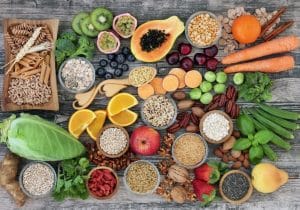
Urolithin A is a natural compound produced by gut microbiota when they metabolize ellagitannins and ellagic acid, polyphenols found in foods like pomegranates, berries, walnuts, and certain nuts. Unlike its precursors, Urolithin A is not directly obtained from food but depends on specific gut bacteria, such as those from the Clostridiales and Ruminococcaceae families, for its production. Only about 30–40% of people naturally produce sufficient Urolithin A due to variations in gut microbiome composition, making supplementation an appealing option for many.
Urolithin A’s chemical structure, characterized by an alpha-benzo-coumarin scaffold, allows it to exert potent biological effects. It is highly bioavailable, appearing in human plasma within hours of consuming ellagitannin-rich foods and persisting for up to 48 hours. Its ability to influence cellular processes, particularly mitophagy, has positioned it as a key player in anti-aging and gut health research.
Understanding Mitophagy and Its Importance
Mitophagy is a selective form of autophagy that targets damaged or dysfunctional mitochondria for degradation and recycling. Mitochondria are the powerhouses of cells, producing energy through oxidative phosphorylation. However, aging, stress, and poor diet can lead to mitochondrial dysfunction, resulting in reduced energy production, increased oxidative stress, and inflammation. Mitophagy ensures that only healthy mitochondria remain, maintaining cellular homeostasis and preventing the accumulation of harmful reactive oxygen species (ROS).
In the gut, mitophagy is particularly crucial. The intestinal epithelium, with its high turnover rate, relies on efficient mitochondrial function to support barrier integrity, immune responses, and nutrient absorption. Impaired mitophagy is linked to gut dysbiosis, inflammatory bowel diseases (IBD), and metabolic disorders, making interventions that enhance mitophagy, like Urolithin A, highly relevant.
How Urolithin A Enhances Mitophagy
Urolithin A mitophagy benefits stem from its ability to activate both PINK1-Parkin-dependent and -independent pathways. In the PINK1-Parkin pathway, Urolithin A stabilizes PINK1, a kinase that recruits Parkin to dysfunctional mitochondria. Parkin ubiquitinates mitochondrial proteins, marking them for degradation by autophagosomes. Alternatively, Urolithin A upregulates BNIP3, a protein that independently recruits LC3 to initiate mitophagy. These dual mechanisms ensure robust mitochondrial turnover.
Research demonstrates that Urolithin A’s mitophagy activation improves mitochondrial respiratory capacity and reduces oxidative stress. A 2016 study in Nature Medicine showed that Urolithin A extended lifespan in C. elegans and enhanced muscle function in rodents by preventing the accumulation of dysfunctional mitochondria (Source). In humans, a 2019 clinical trial published in Nature Metabolism found that 4 weeks of Urolithin A supplementation (500–1000 mg) modulated plasma acylcarnitines and skeletal muscle mitochondrial gene expression, indicating improved mitochondrial health (Source).
Urolithin A Mitophagy Benefits for Gut Health
The gut is a dynamic ecosystem where the microbiome and host cells interact closely. Urolithin A’s effects on mitophagy translate into several gut-specific benefits, supported by preclinical and clinical studies.
1. Strengthening the Gut Barrier
Urolithin A enhances gut barrier integrity by reducing inflammation and oxidative stress, both of which are exacerbated by dysfunctional mitochondria. A 2019 study in Nature Communications found that Urolithin A improved gut barrier function in preclinical models by activating the Nrf2 pathway, which regulates antioxidant defenses (Source). This is critical for preventing leaky gut syndrome, a condition linked to systemic inflammation and diseases like IBD.
2. Modulating the Gut Microbiome
While Urolithin A is a product of gut bacteria, it also influences microbiome composition. By promoting mitophagy, Urolithin A supports the survival of healthy intestinal cells, creating a favorable environment for beneficial bacteria. Studies suggest that Urolithin A supplementation may increase the abundance of Gordonibacter, a genus associated with urolithin production, further enhancing its bioavailability.
3. Reducing Inflammation
Chronic gut inflammation, as seen in conditions like Crohn’s disease and ulcerative colitis, is driven by mitochondrial dysfunction and excessive ROS. Urolithin A’s anti-inflammatory properties arise from its ability to inhibit NF-κB activation, a key driver of pro-inflammatory cytokines like IL-6 and TNFα. A 2021 study in Scientific Reports demonstrated that Urolithin A suppressed inflammation in LPS-stimulated macrophages by targeting the TLR4 signaling pathway (Source).
4. Supporting Metabolic Health
Gut health is closely tied to metabolic health, and Urolithin A’s mitophagy benefits extend to insulin sensitivity and lipid metabolism. A 2019 study in Obesity found that Urolithin A improved insulin sensitivity in obese mice by enhancing mitochondrial function and biogenesis (Source). This suggests potential applications for metabolic disorders like type 2 diabetes, which are often accompanied by gut dysbiosis.
Additional Health Benefits of Urolithin A
Beyond gut health, Urolithin A mitophagy benefits contribute to systemic effects, making it a versatile compound for healthy aging.
1. Muscle Health
Urolithin A improves muscle strength and endurance by enhancing mitochondrial function in skeletal muscle. A 2022 randomized clinical trial in JAMA Network Open reported significant improvements in muscle endurance and reductions in C-reactive protein (CRP) levels after 4 months of Urolithin A supplementation in older adults (Source). These findings are particularly relevant for combating sarcopenia, an age-related muscle decline.
2. Neuroprotection
Urolithin A’s ability to cross the blood-brain barrier allows it to support brain health. A 2024 study in Alzheimer’s & Dementia showed that Urolithin A improved cognition in Alzheimer’s disease models by restoring mitophagy and reducing amyloid-beta accumulation (Source). This highlights its potential for neurodegenerative disorders.
3. Immune Function
By enhancing mitophagy in immune cells, Urolithin A reduces inflammaging—a chronic, low-grade inflammation associated with aging. A 2024 clinical trial presented at the ASCO Annual Meeting found that Urolithin A supplementation reduced pro-inflammatory cytokines and improved T memory stem cell formation in healthy adults (Source).
How to Incorporate Urolithin A into Your Routine
Since only a fraction of people produce adequate Urolithin A naturally, supplementation is often necessary to achieve therapeutic levels. Foods rich in ellagitannins, such as pomegranates, raspberries, strawberries, and walnuts, can boost Urolithin A production, but the yield is limited by microbiome variability. For example, a glass of pomegranate juice provides minimal Urolithin A compared to clinical doses of 500–1000 mg per day.
Supplements like Mitopure, a high-purity Urolithin A product, offer a standardized dose with proven bioavailability. Clinical trials have demonstrated that Mitopure is safe and well-tolerated, with no significant side effects at doses up to 1000 mg daily. When choosing a supplement, opt for products backed by clinical research and third-party testing to ensure quality.
To maximize Urolithin A mitophagy benefits, maintain a gut-friendly diet rich in fiber, probiotics, and polyphenols. Fermented foods like yogurt and kimchi, along with prebiotic-rich foods like onions and garlic, can support the microbiome and enhance Urolithin A production.
Safety and Considerations
Urolithin A is considered safe for most individuals, with clinical trials reporting no serious adverse effects at recommended doses. However, mild gastrointestinal discomfort may occur in some cases, particularly at higher doses. Individuals with polyphenol allergies or those taking medications that interact with gut metabolism should consult a healthcare provider before starting supplementation.
Urolithin A vs. Other Mitophagy Activators
Urolithin A stands out among mitophagy activators due to its robust clinical evidence and natural origin. Compared to exercise, which also stimulates mitophagy, Urolithin A offers a convenient alternative for individuals with limited mobility or adherence to exercise regimens. Caloric restriction, another mitophagy inducer, is challenging to sustain, whereas Urolithin A supplementation is practical and effective.
Other compounds, like resveratrol and NAD+ precursors, support mitochondrial health but lack the specific mitophagy-inducing potency of Urolithin A. Its ability to target both PINK1-Parkin-dependent and -independent pathways gives it a unique edge in promoting mitochondrial turnover.
Future Directions for Urolithin A Research
While the current evidence is compelling, further studies are needed to fully elucidate Urolithin A mitophagy benefits. Ongoing research is exploring its role in specific gut disorders, such as IBD and colorectal cancer, where mitochondrial dysfunction plays a central role. Additionally, investigations into Urolithin A’s synergistic effects with other nutraceuticals, like vitamin D, could uncover new therapeutic applications.
Personalized nutrition approaches, based on gut microbiome profiling, may also optimize Urolithin A supplementation. Understanding individual metabotypes—variations in urolithin production—could guide dietary and supplemental strategies to maximize benefits.
Conclusion
Urolithin A mitophagy benefits offer a promising avenue for improving gut health and supporting healthy aging. By enhancing mitochondrial turnover, reducing inflammation, and strengthening the gut barrier, Urolithin A addresses key aspects of gut and systemic health. Its natural origin, robust clinical backing, and versatility make it a standout in the realm of nutraceuticals.
We’d love to hear from you! Have you explored Urolithin A supplements, or are you curious about their potential for gut health? Share your thoughts or questions in the comments below—we’re excited to keep the conversation going! Please note that this article is for informational purposes only and does not constitute medical advice. Always consult a healthcare professional before making changes to your diet or supplement routine.