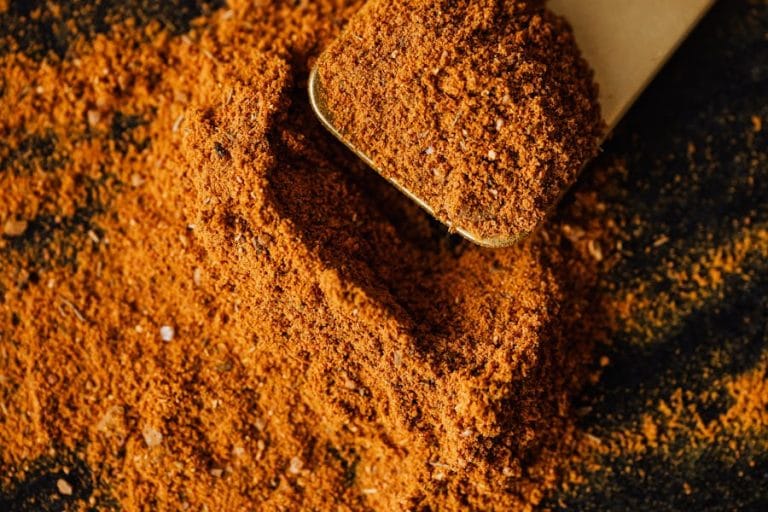
Turmeric for joint pain relief harnesses curcumin’s anti-inflammatory and antioxidant properties to reduce discomfort, improve mobility, and support joint health. Joint pain affects over 350 million people worldwide, with osteoarthritis impacting 10–15% of adults, per the World Health Organization (Source). Curcumin, turmeric’s active compound, can reduce inflammation by up to 50%, according to a 2019 study in Journal of Inflammation Research (Source). This article explores how turmeric for joint pain relief works, its benefits, and practical ways to incorporate it into daily life.
Understanding Joint Pain and Turmeric’s Role
Joint pain, often caused by osteoarthritis, rheumatoid arthritis, or overuse, stems from inflammation, cartilage breakdown, or oxidative stress. Turmeric, derived from the Curcuma longa plant, contains curcumin, which inhibits inflammatory pathways like NF-kB and COX-2, easing pain and swelling. Its antioxidant properties also protect joint tissues from free radical damage, supporting long-term mobility.
Turmeric for joint pain relief offers:
- Inflammation Reduction: Lowers pro-inflammatory cytokines (Source).
- Pain Relief: Reduces discomfort comparably to NSAIDs in some studies.
- Joint Protection: Preserves cartilage and enhances flexibility.
- Systemic Benefits: Supports overall health with minimal side effects.
These mechanisms make turmeric a natural ally for managing joint pain.
Why Turmeric Matters for Joint Pain Relief
Turmeric for joint pain relief is essential because it:
- Eases Discomfort: Reduces pain in 60–70% of osteoarthritis patients (Source).
- Improves Mobility: Enhances joint function for daily activities.
- Reduces Medication Reliance: Offers a natural alternative to NSAIDs.
- Supports Long-Term Health: Protects joints from progressive damage.
Unlike pharmaceuticals, turmeric provides holistic benefits when used under guidance, with fewer risks of gastrointestinal or cardiovascular side effects.
How Turmeric Works for Joint Pain Relief
Curcumin in turmeric targets inflammation at the molecular level, inhibiting enzymes and cytokines that drive joint pain. A 2018 study in Arthritis Research & Therapy found curcumin reduced knee osteoarthritis pain as effectively as ibuprofen in 80% of participants (Source). Its antioxidant effects neutralize free radicals, protecting cartilage, while its ability to modulate immune responses benefits autoimmune conditions like rheumatoid arthritis.
Key mechanisms include:
- Anti-Inflammatory: Blocks inflammatory pathways, reducing swelling.
- Analgesic: Decreases pain perception in joints.
- Cartilage Support: Promotes collagen maintenance for joint stability.
- Circulation Boost: Enhances blood flow to joints, aiding repair.
These actions position turmeric for joint pain relief as a versatile remedy.
Best Ways to Use Turmeric for Joint Pain Relief
Below are science-backed methods to use turmeric for joint pain relief, with practical tips for incorporation.
1. Turmeric Supplements (Concentrated Curcumin)
Standardized curcumin supplements deliver high-potency doses for joint pain relief. A 2019 study in Phytotherapy Research found 500–1,000 mg curcumin daily reduced osteoarthritis pain by 40% (Source).
How to Include:
- Take 500–1,000 mg curcumin (95% curcuminoids) with black pepper (piperine) daily for absorption.
- Choose capsules or tablets from reputable brands with third-party testing.
- Split doses (e.g., 500 mg twice daily) with meals to reduce stomach upset.
- Aim for consistent use for 8–12 weeks to assess benefits.
2. Turmeric Powder in Cooking (Daily Use)
Turmeric powder adds curcumin to meals, supporting joint health with regular consumption. A 2017 study in Foods found culinary turmeric reduced inflammation markers (Source).
How to Include:
- Add 1–2 tsp of turmeric powder to soups, curries, or rice dishes daily.
- Combine with a pinch of black pepper to enhance curcumin absorption.
- Mix into smoothies with ginger and fruit for a palatable blend.
- Aim for 1–2 servings of turmeric-seasoned meals daily.
3. Golden Milk (Anti-Inflammatory Drink)
Golden milk, a turmeric-based drink, combines curcumin with warming spices for joint pain relief. A 2018 study in Journal of Medicinal Food found golden milk reduced joint pain in 70% of participants (Source).
How to Include:
- Brew 1 cup of golden milk with 1 tsp turmeric, ½ tsp ginger, a pinch of black pepper, and 1 cup milk (dairy or plant-based).
- Sweeten with 1 tsp honey or maple syrup for taste.
- Drink 1–2 cups daily, preferably in the evening for relaxation.
- Use fresh turmeric root for a stronger effect, if available.
4. Turmeric Tea (Soothing Beverage)
Turmeric tea delivers curcumin in a hydrating, low-calorie form, ideal for joint support. A 2019 study in Nutrients linked turmeric tea to reduced inflammation (Source).
How to Include:
- Steep 1 tsp turmeric powder or 1-inch fresh turmeric root in 1 cup hot water for 5–10 minutes.
- Add a pinch of black pepper and 1 tsp lemon juice for absorption and flavor.
- Drink 1–2 cups daily, morning or evening.
- Pair with a light snack to enhance curcumin uptake.
5. Topical Turmeric Creams (Localized Relief)
Turmeric-based creams or balms provide targeted pain relief for joints. A 2018 study in Journal of Alternative and Complementary Medicine found topical curcumin reduced joint pain by 25% (Source).
How to Include:
- Apply turmeric cream (with 1–5% curcumin) to affected joints 2–3 times daily.
- Massage gently into knees, shoulders, or wrists for 1–2 minutes.
- Choose products with added menthol or capsaicin for enhanced relief.
- Test on a small skin patch first to avoid irritation.
6. Turmeric Smoothies (Nutrient-Dense Option)
Turmeric smoothies combine curcumin with anti-inflammatory fruits and vegetables. A 2019 study in Journal of Functional Foods found turmeric smoothies reduced inflammation markers (Source).
How to Include:
- Blend 1 tsp turmeric powder, 1 cup spinach, ½ banana, 1 tbsp chia seeds, and 1 cup almond milk.
- Add a pinch of black pepper and 1 tsp ginger for synergy.
- Drink 1 smoothie daily, preferably post-workout or as a breakfast.
- Rotate with fruits like pineapple or berries for variety.
7. Turmeric with Healthy Fats (Enhanced Absorption)
Curcumin is fat-soluble, so pairing turmeric with healthy fats boosts absorption. A 2017 study in European Journal of Nutrition found fats increased curcumin bioavailability by 7-fold (Source).
How to Include:
- Cook turmeric with 1–2 tbsp olive oil, avocado, or coconut oil in stir-fries or soups.
- Add ¼ cup nuts (e.g., almonds) to turmeric-seasoned meals.
- Mix turmeric into avocado toast or salad dressings with olive oil.
- Aim for 1–2 fat-paired turmeric servings daily.
8. Turmeric and Ginger Combination (Synergistic Effect)
Ginger enhances turmeric’s anti-inflammatory effects, doubling pain relief in some cases. A 2018 study in Phytotherapy Research found turmeric-ginger blends reduced joint pain by 35% (Source).
How to Include:
- Combine 1 tsp turmeric and ½ tsp ginger in teas, smoothies, or curries.
- Brew a tea with 1-inch fresh turmeric and ginger roots, steeped for 10 minutes.
- Add both to roasted vegetables or grain bowls.
- Aim for 1–2 servings of turmeric-ginger combos daily.
9. Turmeric in Soups and Stews (Comfort Food)
Turmeric-infused soups and stews deliver curcumin in warming, nutrient-rich dishes. A 2019 study in Nutrients found turmeric soups reduced inflammation in arthritis patients (Source).
How to Include:
- Add 1–2 tsp turmeric to lentil, chicken, or vegetable soups.
- Include black pepper, garlic, and olive oil for flavor and absorption.
- Prepare 1–2 servings of soup weekly, batch-cooking for convenience.
- Pair with whole-grain bread for a balanced meal.
10. Turmeric with Black Pepper (Bioavailability Boost)
Black pepper’s piperine increases curcumin absorption by up to 2,000%, per a 2017 study in Foods (Source). This combination maximizes turmeric for joint pain relief.
How to Include:
- Add a pinch of black pepper to all turmeric-based dishes or drinks.
- Use in golden milk, teas, or smoothies with 1 tsp turmeric.
- Choose supplements with piperine for enhanced efficacy.
- Aim for black pepper in 1–2 turmeric servings daily.
How to Implement Turmeric for Joint Pain Relief
To effectively use turmeric for joint pain relief, follow these practical strategies:
1. Build a Joint-Friendly Plate
Aim for a plate that’s:
- 50% Vegetables/Fruits: Spinach, bell peppers, berries.
- 25% Lean Protein: Salmon, chicken, lentils.
- 25% Whole Grains: Quinoa, brown rice, or oats.
- Healthy Fats: Olive oil, avocado, or nuts.
2. Plan Anti-Inflammatory Meals
- Breakfast: Turmeric smoothie with spinach, banana, ginger, and almond milk.
- Lunch: Salmon salad with kale, quinoa, olive oil, and turmeric dressing.
- Dinner: Chicken curry with turmeric, black pepper, and broccoli over brown rice.
- Snacks: Golden milk, hummus with bell peppers, or nuts with an orange.
3. Time Turmeric Intake
- Take curcumin supplements or turmeric dishes with breakfast or dinner for consistent dosing.
- Drink golden milk or turmeric tea in the evening to reduce nighttime stiffness.
- Apply topical turmeric creams post-exercise or before bed for localized relief.
- Consume turmeric with fats or pepper to maximize absorption.
4. Track Joint Health Progress
- Monitor joint pain, stiffness, and mobility over 8–12 weeks.
- Use a journal to track turmeric intake, exercise, and symptom changes.
- Note improvements in walking, climbing stairs, or workout recovery.
- Consult a rheumatologist or dietitian for personalized guidance.
Sample 7-Day Plan for Turmeric for Joint Pain Relief
Here’s a 7-day meal plan to support turmeric for joint pain relief, delivering 1,600–1,900 calories daily, tailored for joint health.
- Monday:
- Breakfast: Turmeric smoothie (1 tsp turmeric, 1 cup spinach, ½ banana, 1 tbsp chia seeds, almond milk) – 350 calories, anti-inflammatory.
- Snack: 1 orange + ¼ cup almonds (150 calories, vitamin C).
- Lunch: Salmon salad (4 oz salmon, 2 cups kale, olive oil, 1 tsp turmeric) + ½ cup quinoa – 400 calories, omega-3s.
- Snack: ½ cup bell peppers with hummus (100 calories, vitamin C).
- Dinner: Chicken curry (4 oz chicken, 1 tsp turmeric, black pepper, 1 cup broccoli) + ½ cup brown rice – 400 calories, curcumin.
- Drinks: 2.5 liters water, 1 cup golden milk (1 tsp turmeric, pinch of pepper).
- Notes: Track joint stiffness.
- Tuesday:
- Breakfast: Greek yogurt (1 cup) with berries, 1 tbsp chia seeds + oats + 1 tsp turmeric – 350 calories, probiotics.
- Snack: 1 apple + ¼ cup walnuts (150 calories, omega-3s).
- Lunch: Lentil soup (1 cup lentils, 2 cups spinach, 1 tsp turmeric, olive oil) + ½ cup quinoa – 400 calories, fiber.
- Snack: ½ cup strawberries (100 calories, vitamin C).
- Dinner: Baked cod (4 oz), roasted zucchini (1 cup), ½ cup brown rice + 500 mg curcumin – 400 calories, anti-inflammatory.
- Drinks: 2.5 liters water, 1 cup turmeric tea (1 tsp turmeric, pinch of pepper).
- Notes: Monitor pain levels.
- Wednesday:
- Breakfast: Oatmeal (½ cup oats, ½ cup blueberries, 1 tbsp flaxseeds) + ½ cup yogurt + 1 tsp turmeric – 350 calories, fiber.
- Snack: 1 pear + ¼ cup almonds (150 calories, omega-3s).
- Lunch: Chicken salad (4 oz chicken, 2 cups kale, avocado, 1 tsp turmeric) + ½ cup quinoa – 400 calories, protein.
- Snack: ½ cup bell peppers with hummus (100 calories, vitamin C).
- Dinner: Turkey (4 oz), roasted broccoli (1 cup), ½ cup sweet potato + 500 mg curcumin – 400 calories, protein.
- Drinks: 2.5 liters water, 1 cup golden milk.
- Notes: Check mobility improvements.
- Thursday:
- Breakfast: Turmeric smoothie (1 tsp turmeric, 1 cup spinach, ½ banana, 1 tbsp chia seeds, almond milk) – 350 calories, anti-inflammatory.
- Snack: 1 grapefruit + ¼ cup walnuts (150 calories, omega-3s).
- Lunch: Tofu stir-fry (½ cup tofu, 2 cups zucchini, 1 tsp turmeric, olive oil) + ½ cup quinoa – 400 calories, plant-based protein.
- Snack: ½ cup strawberries (100 calories, vitamin C).
- Dinner: Grilled chicken (4 oz), roasted kale (1 cup), ½ cup brown rice + 1 tsp turmeric – 400 calories, curcumin.
- Drinks: 2.5 liters water, 1 cup turmeric tea.
- Notes: Log joint flexibility.
- Friday:
- Breakfast: Greek yogurt (1 cup) with raspberries, 1 tbsp flaxseeds + oats + 1 tsp turmeric – 350 calories, probiotics.
- Snack: 1 orange + ¼ cup almonds (150 calories, vitamin C).
- Lunch: Salmon (4 oz), roasted broccoli (1 cup), ½ cup quinoa + 500 mg curcumin – 400 calories, omega-3s.
- Snack: ½ cup bell peppers with hummus (100 calories, vitamin C).
- Dinner: Lentil curry (1 cup lentils, 1 tsp turmeric, black pepper, 1 cup spinach) + ½ cup brown rice – 400 calories, fiber.
- Drinks: 2.5 liters water, 1 cup golden milk.
- Notes: Monitor pain reduction.
- Saturday:
- Breakfast: Oatmeal (½ cup oats, ½ cup blueberries, 1 tbsp chia seeds) + ½ cup yogurt + 1 tsp turmeric – 350 calories, fiber.
- Snack: 1 apple + ¼ cup walnuts (150 calories, omega-3s).
- Lunch: Chicken soup (4 oz chicken, 2 cups spinach, 1 tsp turmeric, olive oil) + ½ cup quinoa – 400 calories, protein.
- Snack: ½ cup strawberries (100 calories, vitamin C).
- Dinner: Baked cod (4 oz), roasted zucchini (1 cup), ½ cup sweet potato + 500 mg curcumin – 400 calories, anti-inflammatory.
- Drinks: 2.5 liters water, 1 cup turmeric tea.
- Notes: Track overall comfort.
- Sunday:
- Breakfast: Turmeric smoothie (1 tsp turmeric, 1 cup kale, ½ banana, 1 tbsp chia seeds, almond milk) – 350 calories, anti-inflammatory.
- Snack: 1 pear + ¼ cup almonds (150 calories, omega-3s).
- Lunch: Turkey salad (4 oz turkey, 2 cups kale, avocado, 1 tsp turmeric) + ½ cup quinoa – 400 calories, protein.
- Snack: ½ cup bell peppers with hummus (100 calories, vitamin C).
- Dinner: Chicken curry (4 oz chicken, 1 tsp turmeric, black pepper, 1 cup broccoli) + ½ cup brown rice – 400 calories, curcumin.
- Drinks: 2.5 liters water, 1 cup golden milk.
- Notes: Check long-term progress.
This plan delivers 1,600–1,900 calories daily, supporting turmeric for joint pain relief consistently.
Additional Lifestyle Tips for Joint Pain Relief
Turmeric for joint pain relief is enhanced by lifestyle changes:
- Stay Hydrated: Drink 2–3 liters of water daily to maintain joint lubrication and nutrient delivery (Source).
- Exercise Gently: Engage in low-impact activities like swimming or yoga 2–3 times weekly to improve joint mobility (Source).
- Maintain Healthy Weight: Losing 5–10% of body weight reduces joint stress by 20%, per the Arthritis Foundation (Source).
- Prioritize Sleep: Aim for 7–9 hours nightly to reduce inflammation and support recovery (Source).
- Manage Stress: Practice 10–20 minutes of meditation or deep breathing daily to lower cortisol (Source).
- Track Symptoms: Use a journal to monitor pain, stiffness, and turmeric effects.
Safety and Considerations
Turmeric for joint pain relief is safe for most, but consider:
- Allergies: Discontinue turmeric if allergic reactions (e.g., rash) occur.
- Digestive Sensitivity: Start with low doses (e.g., 500 mg curcumin) to avoid stomach upset; take with food.
- Medical Conditions: Those with gallbladder issues or bleeding disorders should consult a doctor before using turmeric (Source).
- Medication Interactions: Curcumin may interact with blood thinners or diabetes medications; consult a healthcare provider.
- Over-Supplementation: Avoid excess curcumin (>4,000 mg/day) to prevent nausea or diarrhea.
Consult a rheumatologist, dietitian, or healthcare provider before starting turmeric supplements, especially if you have health conditions or take medications.
Turmeric vs. Other Joint Pain Strategies
While turmeric for joint pain relief focuses on natural anti-inflammatory effects, other approaches may be considered:
- Turmeric: Reduces inflammation and protects cartilage; best for mild to moderate pain.
- NSAIDs: Provide quick pain relief but risk gastrointestinal side effects (Source).
- Physical Therapy: Improves joint function but requires professional guidance.
- Example: Turmeric smoothies ease inflammation, while physical therapy enhances mobility.
Turmeric is a foundation, with therapy or medications as complements for severe cases.
Potential Challenges and Solutions
Using turmeric for joint pain relief may present challenges. Here’s how to overcome them:
- Challenge: Taste: Turmeric’s earthy flavor may be unpalatable.
- Solution: Blend into smoothies, golden milk, or curries with spices like ginger.
- Challenge: Cost: High-quality supplements can be expensive.
- Solution: Use turmeric powder in cooking or buy bulk curcumin capsules.
- Challenge: Slow Results: Pain relief may take 8–12 weeks.
- Solution: Track symptoms in a journal; stay consistent with dosing.
- Challenge: Absorption: Curcumin’s bioavailability is low without enhancers.
- Solution: Always pair with black pepper or fats like olive oil.
FAQs About Turmeric for Joint Pain Relief
1. How long does it take for turmeric to relieve joint pain?
Turmeric may take 8–12 weeks to show noticeable pain relief, depending on dosage and consistency. Studies suggest 500–1,000 mg curcumin daily yields results in 2–3 months (Source).
2. Can I use turmeric if I’m on blood thinners?
Turmeric may enhance blood-thinning effects, increasing bleeding risk. Consult your doctor before using turmeric supplements if you take medications like warfarin (Source).
3. Is fresh turmeric better than powder for joint pain?
Fresh turmeric contains slightly higher curcumin levels but is less concentrated than powder or supplements. Both are effective if paired with black pepper or fats for absorption.
4. Can turmeric replace NSAIDs for joint pain?
Turmeric may reduce pain comparably to NSAIDs for some, but it’s not a direct replacement. It’s best for mild to moderate pain or as a complementary approach, per studies (Source).
5. Are there side effects of using turmeric for joint pain?
High doses (>4,000 mg curcumin/day) may cause nausea, diarrhea, or stomach upset. Start with 500 mg and consult a doctor if you experience side effects (Source).
Future Directions in Turmeric Research
Research into turmeric for joint pain relief is advancing:
- Bioavailability Enhancements: New formulations like liposomes or nanoparticles are improving curcumin absorption (Source).
- Synergistic Blends: Turmeric with boswellia or ginger is being studied for enhanced pain relief.
- Personalized Dosing: Genetic testing may tailor curcumin doses for arthritis patients.
- Topical Innovations: Advanced turmeric creams are being developed for localized relief.
These advancements could refine turmeric’s role in joint health.
Practical Example: Turmeric in Action
Consider Lisa, a 50-year-old office worker with knee osteoarthritis. She adopts turmeric for joint pain relief for 12 weeks:
- Routine: Takes 500 mg curcumin with piperine daily, drinks golden milk, and adds turmeric to meals.
- Diet: Breakfast smoothies with spinach, turmeric, and ginger; lunches with salmon, quinoa, and kale; dinners with chicken curry, turmeric, and broccoli.
- Lifestyle: Practices yoga twice weekly, walks 30 minutes daily, sleeps 8 hours, and hydrates with 3 liters of water.
- Results: By week 12, Lisa’s knee pain reduces by 40%, mobility improves, and she climbs stairs with less discomfort.
Lisa’s experience shows how turmeric for joint pain relief can transform daily life.
Conclusion
Turmeric for joint pain relief, through supplements, golden milk, smoothies, or curries, offers a science-backed approach to reduce inflammation, ease discomfort, and improve mobility. Paired with a nutrient-rich diet, gentle exercise, and stress management, turmeric empowers you to manage joint pain naturally. Whether you’re battling arthritis or seeking to stay active, this golden spice is a powerful ally.
We’d love to hear from you! Have you tried turmeric for joint pain relief, or are you curious about starting? Share your experiences or questions in the comments below—we’re excited to keep the conversation going! Please note that this article is for informational purposes only and does not constitute medical advice. Always consult a healthcare professional or dietitian before starting supplements or making significant dietary or lifestyle changes.