
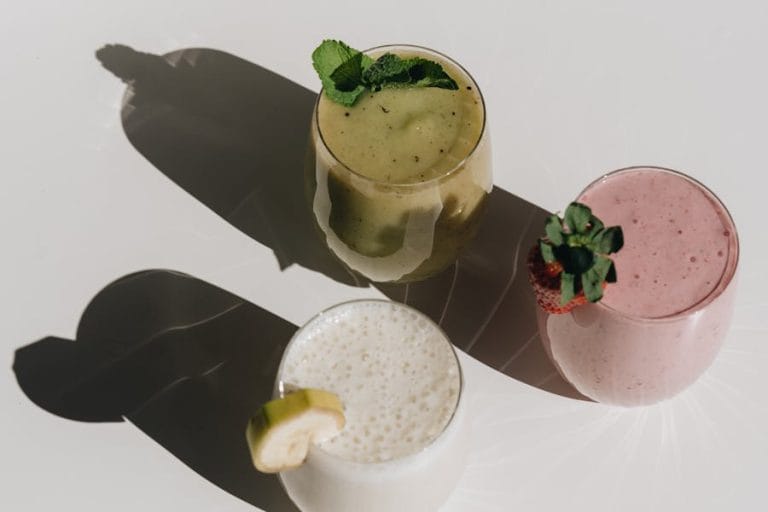
High protein smoothies are a delicious and convenient way to fuel your body, support muscle growth, and enhance overall wellness. Packed with protein-rich ingredients like Greek yogurt, protein powder, and nut butters, these nutrient-dense drinks are ideal for athletes, busy professionals, or anyone seeking a balanced diet. Whether you’re aiming to recover post-workout, manage weight, or simply increase your protein intake, high protein smoothies offer versatility and health benefits backed by science. This article explores how to create the perfect high protein smoothie, including recipes, ingredients, and tips for maximizing their impact.
Why High Protein Smoothies Matter
Protein is a macronutrient essential for muscle repair, immune function, hormone production, and satiety. The Recommended Dietary Allowance (RDA) for protein is 0.8 grams per kilogram of body weight, but active individuals, older adults, or those aiming for muscle growth may need 1.2–2.0 grams per kilogram, according to a 2018 study in Journal of the International Society of Sports Nutrition (Source). Smoothies make it easy to meet these needs, especially when time is short or digestion needs a break from solid foods.
High protein smoothies stand out because they:
- Support Muscle Recovery: Protein aids muscle repair after exercise, reducing soreness and enhancing strength gains.
- Promote Satiety: Protein-rich meals increase feelings of fullness, aiding weight management, as shown in a 2019 study in Nutrients (Source).
- Provide Balanced Nutrition: Combining protein with carbs, fats, and micronutrients creates a complete meal replacement.
- Are Customizable: Smoothies can be tailored to dietary preferences, allergies, or fitness goals.
For women, men, vegans, or omnivores, high protein smoothies are a versatile tool to elevate health and performance.
Benefits of High Protein Smoothies
Incorporating high protein smoothies into your diet offers a range of science-backed benefits, making them more than just a tasty treat.
1. Muscle Growth and Recovery
Protein is critical for muscle protein synthesis (MPS), the process of repairing and building muscle tissue after exercise. Consuming 20–30 grams of protein post-workout optimizes MPS, according to a 2017 study in American Journal of Clinical Nutrition (Source). High protein smoothies deliver this amount in a quick, digestible form, ideal for post-gym recovery or strength training enthusiasts.
2. Weight Management
Protein increases satiety hormones like peptide YY and reduces hunger hormones like ghrelin, helping you feel full longer. A 2020 meta-analysis in Journal of Obesity & Metabolic Syndrome found that high-protein diets supported weight loss and fat mass reduction (Source). Smoothies with protein, fiber, and healthy fats can curb cravings and prevent overeating.
3. Improved Energy and Focus
Balancing protein with carbohydrates in smoothies provides sustained energy without the blood sugar spikes of sugary drinks. Protein also supports cognitive function by supplying amino acids for neurotransmitter production. A 2019 study in Nutrients linked adequate protein intake to improved mental clarity and reduced fatigue (Source).
4. Gut Health Support
Many high protein smoothie ingredients, like Greek yogurt or kefir, contain probiotics that promote a healthy gut microbiome. Fiber from fruits, vegetables, or seeds further supports digestion. A 2021 study in Gut Microbes found that a balanced diet with protein and fiber improved gut barrier function (Source).
5. Convenience and Nutrient Density
High protein smoothies are a one-stop solution for busy lifestyles, delivering protein, vitamins, minerals, and antioxidants in a single glass. They’re portable, easy to prepare, and adaptable to various dietary needs, from vegan to gluten-free.
Key Ingredients for High Protein Smoothies
Creating a high protein smoothie requires selecting ingredients that maximize protein content while maintaining flavor and nutrition. Below are the best options, categorized by type.
1. Protein Bases
- Greek Yogurt: Provides 15–20 grams of protein per 6-ounce serving, plus probiotics for gut health. Choose plain, unsweetened varieties to control sugar.
- Protein Powder: Whey, casein, pea, hemp, or collagen powders offer 20–30 grams of protein per scoop. A 2020 study in Nutrients confirmed whey’s superiority for muscle synthesis, but plant-based options are effective for vegans (Source).
- Silken Tofu: A vegan-friendly option with 8 grams of protein per 100 grams, adding creaminess without a strong flavor.
- Cottage Cheese: Delivers 25 grams of protein per cup, ideal for a thick, creamy texture.
2. Liquid Bases
- Milk (Dairy or Plant-Based): Cow’s milk adds 8 grams of protein per cup, while unsweetened almond, soy, or oat milk provides a lighter base. Soy milk offers 7 grams of protein per cup.
- Water or Coconut Water: Reduces calories and adds hydration. Coconut water provides electrolytes, beneficial for active individuals.
- Kefir: A fermented drink with 10 grams of protein per cup and probiotics, enhancing gut health.
3. Fruits and Vegetables
- Berries: Blueberries, strawberries, or raspberries add antioxidants, fiber, and natural sweetness with minimal sugar (4–7 grams per cup).
- Banana: Provides 27 grams of carbs and potassium (422 mg) for energy and muscle function.
- Spinach or Kale: Nutrient-dense greens add fiber, vitamins (e.g., vitamin K, C), and minerals without altering flavor.
- Avocado: Contributes healthy fats and creaminess, with 2 grams of fiber per half.
4. Healthy Fats and Boosters
- Nut Butters: Peanut or almond butter offers 7 grams of protein and 8 grams of healthy fats per tablespoon, promoting satiety.
- Chia or Flaxseeds: Provide 5 grams of protein and 10 grams of fiber per 2 tablespoons, plus omega-3s for anti-inflammatory benefits.
- Hemp Seeds: Deliver 10 grams of protein per 3 tablespoons, ideal for plant-based smoothies.
5. Sweeteners and Flavor Enhancers
- Honey or Maple Syrup: Natural sweeteners add flavor without refined sugars. Use sparingly (1–2 teaspoons).
- Cinnamon or Vanilla Extract: Enhances taste without calories, supporting blood sugar stability.
- Cocoa Powder: Unsweetened cocoa adds antioxidants and a chocolatey flavor, pairing well with protein powders.
How to Build the Perfect High Protein Smoothie
Crafting high protein smoothies requires balancing macronutrients, flavors, and textures. Follow these steps for a nutrient-packed, delicious result:
1. Start with a Protein Base
Aim for 20–30 grams of protein per smoothie. Combine sources for variety:
- 6 ounces Greek yogurt (15 grams protein) + 1 scoop whey protein (20 grams protein)
- 1 cup silken tofu (16 grams protein) + 3 tablespoons hemp seeds (10 grams protein)
2. Add a Liquid Base
Use ¾–1 cup of liquid to achieve desired consistency. Start with less and adjust:
- 1 cup soy milk (7 grams protein) for creaminess
- ¾ cup water + ¼ cup coconut water for a lighter texture
3. Incorporate Fruits and Vegetables
Add ½–1 cup of fruits or vegetables for flavor, fiber, and micronutrients:
- ½ cup frozen berries + ½ cup spinach
- 1 small banana + ¼ avocado
4. Include Healthy Fats
Add 1–2 tablespoons of fats for satiety and sustained energy:
- 1 tablespoon almond butter
- 1 tablespoon chia seeds
5. Enhance Flavor and Nutrition
Use spices, sweeteners, or boosters sparingly:
- ½ teaspoon cinnamon + 1 teaspoon honey
- 1 tablespoon cocoa powder + ½ teaspoon vanilla extract
6. Blend and Adjust
Blend on high for 30–60 seconds until smooth. Add more liquid if too thick or ice for a chilled texture. Taste and adjust sweetness or flavor as needed.
Sample High Protein Smoothie Recipes
Below are five high protein smoothie recipes, each designed for different goals and tastes, with approximate nutritional breakdowns (based on standard serving sizes).
1. Post-Workout Recovery Smoothie
Goal: Muscle repair and glycogen replenishment
Ingredients:
- 1 scoop whey protein (20g protein)
- 6 oz Greek yogurt (15g protein)
- 1 cup almond milk (1g protein)
- 1 small banana (27g carbs)
- ½ cup frozen blueberries (7g carbs)
- 1 tbsp peanut butter (7g protein, 8g fat) Nutrition: ~50g protein, 45g carbs, 10g fat, 400 kcal
Instructions: Blend until smooth. Drink within 30 minutes post-workout.
Why It Works: Combines fast-digesting protein and carbs to optimize muscle recovery, as supported by a 2017 study (Source).
2. Vegan Green Protein Smoothie
Goal: Plant-based nutrition and gut health
Ingredients:
- 1 scoop pea protein (20g protein)
- 1 cup soy milk (7g protein)
- 1 cup spinach (1g protein, 2g fiber)
- ½ avocado (2g fiber, 10g fat)
- ½ cup frozen mango (12g carbs)
- 1 tbsp flaxseeds (2g protein, 4g fiber) Nutrition: ~30g protein, 30g carbs, 15g fat, 350 kcal
Instructions: Blend with ice for a refreshing texture.
Why It Works: Provides plant-based protein and fiber for digestion, with avocado’s fats for satiety.
3. Breakfast Meal Replacement Smoothie
Goal: Sustained energy and fullness
Ingredients:
- 1 cup cottage cheese (25g protein)
- ¾ cup oat milk (2g protein)
- ½ cup frozen strawberries (5g carbs)
- 1 tbsp almond butter (7g protein, 8g fat)
- 1 tbsp chia seeds (5g protein, 10g fiber)
- 1 tsp honey Nutrition: ~39g protein, 30g carbs, 18g fat, 450 kcal
Instructions: Blend until creamy. Sip slowly to replace a full meal.
Why It Works: High protein and fiber content promotes satiety, ideal for busy mornings.
4. Chocolate Peanut Butter Power Smoothie
Goal: Craving satisfaction and muscle support
Ingredients:
- 1 scoop chocolate whey protein (20g protein)
- 1 cup cow’s milk (8g protein)
- 1 tbsp peanut butter (7g protein, 8g fat)
- 1 small banana (27g carbs)
- 1 tbsp cocoa powder
- ½ tsp vanilla extract Nutrition: ~35g protein, 40g carbs, 10g fat, 400 kcal
Instructions: Blend with ice for a milkshake-like texture.
Why It Works: Satisfies sweet cravings while delivering protein for muscle repair.
5. Low-Carb Keto Protein Smoothie
Goal: Ketogenic diet support and satiety
Ingredients:
- 1 scoop collagen protein (20g protein)
- 1 cup unsweetened almond milk (1g protein)
- ½ avocado (10g fat, 2g fiber)
- ¼ cup frozen raspberries (3g carbs)
- 1 tbsp hemp seeds (10g protein, 1g carbs)
- ½ tsp cinnamon Nutrition: ~31g protein, 10g carbs, 15g fat, 300 kcal
Instructions: Blend until smooth. Ideal for low-carb diets.
Why It Works: High protein and fats with minimal carbs align with keto principles.
Tips for Making High Protein Smoothies
Maximize the benefits of high protein smoothies with these practical tips:
- Prep Ahead: Portion ingredients into freezer bags for quick blending on busy days.
- Balance Macros: Aim for 20–30g protein, 20–40g carbs, and 5–15g fat per smoothie, adjusting based on goals (e.g., more carbs for energy, more fats for satiety).
- Control Sugar: Use low-glycemic fruits like berries and limit sweeteners to 1–2 teaspoons to avoid blood sugar spikes.
- Boost Nutrition: Add superfoods like spirulina, matcha, or turmeric for antioxidants and anti-inflammatory benefits.
- Invest in a Quality Blender: A high-powered blender ensures smooth textures, especially with fibrous greens or frozen ingredients.
- Store Properly: Drink immediately or store in an airtight container in the fridge for up to 24 hours to preserve nutrients.
Potential Challenges and Solutions
Incorporating high protein smoothies may present challenges, especially for beginners. Here’s how to address them:
- Challenge: Cost of Ingredients: Protein powders and fresh produce can be expensive.
- Solution: Buy in bulk, choose frozen fruits, and use affordable proteins like Greek yogurt or eggs.
- Challenge: Digestive Issues: High protein or fiber may cause bloating in sensitive individuals.
- Solution: Start with smaller servings, avoid overloading with fiber, and choose lactose-free or plant-based proteins if needed.
- Challenge: Lack of Variety: Smoothies can become monotonous.
- Solution: Experiment with new ingredients, spices, or recipes weekly to keep flavors exciting.
- Challenge: Time Constraints: Prepping smoothies daily can be time-consuming.
- Solution: Batch-prep ingredients or make double portions to refrigerate for the next day.
Safety and Considerations
High protein smoothies are safe for most people, but certain precautions apply:
- Allergies: Check for sensitivities to dairy, nuts, or protein powder additives. Opt for allergen-free alternatives (e.g., rice protein for nut allergies).
- Medical Conditions: Those with kidney or liver issues should consult a doctor, as high protein intake may strain these organs. A 2019 study in Nephrology Dialysis Transplantation cautioned against excessive protein in kidney disease (Source).
- Calorie Control: Smoothies can be calorie-dense. Monitor portion sizes to avoid unintended weight gain.
- Quality: Choose protein powders free of artificial sweeteners, fillers, or heavy metals. Third-party tested brands are ideal.
Always consult a healthcare professional or dietitian before significantly increasing protein intake, especially if you have chronic conditions or are pregnant.
High Protein Smoothies vs. Other Protein Sources
How do high protein smoothies compare to other protein-rich foods?
- Whole Foods (e.g., Chicken, Eggs): Provide complete proteins but require cooking and may be less convenient. Smoothies are faster and more portable.
- Protein Bars: Convenient but often high in sugars or additives. Smoothies offer fresher, whole-food ingredients.
- Shakes (Pre-Made): Store-bought shakes may lack fiber or micronutrients. Homemade smoothies allow customization and nutrient density.
- Legumes or Grains: High in protein and fiber but less concentrated than smoothie ingredients like protein powder or Greek yogurt.
High protein smoothies excel for their convenience, digestibility, and ability to combine multiple nutrients in one serving.
Future Directions in Smoothie Nutrition
Research into high protein smoothies is evolving, with exciting trends:
- Personalized Nutrition: Advances in nutrigenomics may tailor smoothie recipes to genetic profiles, optimizing protein types and amounts.
- Functional Ingredients: Studies are exploring adaptogens (e.g., ashwagandha) or nootropics in smoothies for cognitive and stress benefits.
- Sustainability: Eco-friendly protein sources like cricket or algae powders are gaining traction for environmentally conscious consumers.
- Gut Health Focus: Research into prebiotic and probiotic blends in smoothies could enhance their digestive benefits.
These innovations could make high protein smoothies even more effective for health and performance.
Practical Example: Smoothies in Daily Life
Consider Mia, a 28-year-old fitness enthusiast aiming to build muscle and stay energized. She integrates high protein smoothies into her routine:
- Morning: Starts with the Breakfast Meal Replacement Smoothie to fuel her day, blending cottage cheese, strawberries, and chia seeds.
- Post-Workout: Drinks the Post-Workout Recovery Smoothie with whey protein and banana within 30 minutes of strength training.
- Snack: Enjoys the Chocolate Peanut Butter Power Smoothie mid-afternoon to curb cravings and maintain energy.
- Results: After 6 weeks, Mia notices improved muscle tone, less post-workout soreness, and better appetite control.
Mia’s approach shows how high protein smoothies can fit seamlessly into a busy, active lifestyle.
Conclusion
High protein smoothies are a versatile, science-backed way to boost protein intake, support muscle growth, and enhance overall health. By combining protein-rich ingredients like Greek yogurt, protein powder, and nut butters with fruits, vegetables, and healthy fats, you can create delicious, nutrient-dense drinks tailored to your goals. Whether you’re an athlete, a busy professional, or simply health-conscious, high protein smoothies offer a convenient solution for fueling your body. With the right ingredients, recipes, and strategies, you can make them a cornerstone of your nutrition plan.
We’d love to hear from you! What’s your favorite high protein smoothie recipe, or are you excited to try these ideas? Share your thoughts or questions in the comments below—we’re thrilled to keep the conversation going! Please note that this article is for informational purposes only and does not constitute medical advice. Always consult a healthcare professional before making changes to your diet or health routine.


