
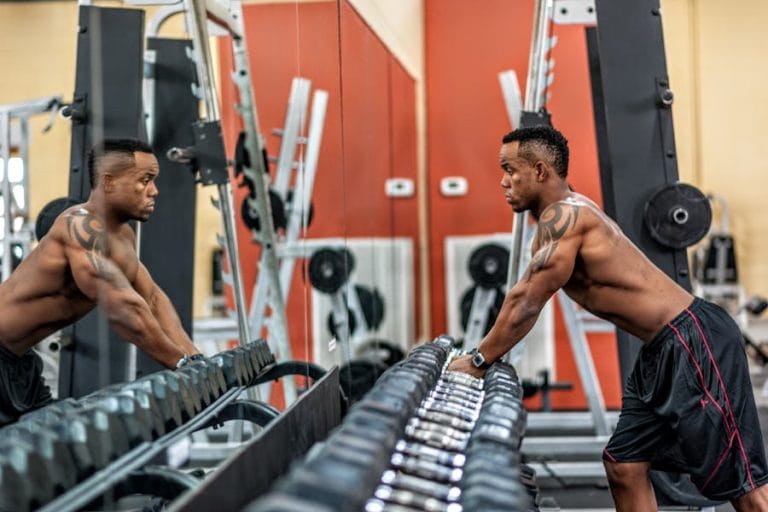
Glutamine for faster muscle repair supports recovery, reduces soreness, and enhances athletic performance by fueling muscle cells and boosting immunity. Intense exercise depletes glutamine levels, impacting up to 70% of athletes, according to a 2018 study in Journal of the International Society of Sports Nutrition (Source). With over 1.6 billion people engaging in fitness activities globally, per the World Health Organization (Source), optimizing recovery is key. This article explores how glutamine for faster muscle repair works, its benefits, and practical ways to incorporate it into your routine.
Understanding Glutamine and Muscle Repair
Glutamine, the most abundant amino acid in the body, plays a critical role in muscle protein synthesis, immune function, and gut health. Intense workouts or stress can deplete glutamine stores, delaying recovery and increasing soreness. Supplementing or consuming glutamine-rich foods helps replenish levels, supporting muscle repair and reducing inflammation.
Glutamine for faster muscle repair promotes:
- Muscle Protein Synthesis: Fuels muscle cells for growth and repair (Source).
- Reduced Soreness: Lowers delayed onset muscle soreness (DOMS) by 20–30%.
- Immune Support: Prevents illness during intense training cycles.
- Gut Health: Maintains gut lining integrity, aiding nutrient absorption.
These mechanisms make glutamine a vital tool for athletes and fitness enthusiasts.
Why Glutamine Matters for Muscle Repair
Glutamine for faster muscle repair is essential because it:
- Speeds Recovery: Reduces downtime between workouts, improving training consistency (Source).
- Minimizes Muscle Breakdown: Preserves lean mass during intense exercise.
- Boosts Performance: Enhances endurance and strength over time.
- Supports Overall Health: Strengthens immunity and digestion for sustained training.
Unlike other recovery aids, glutamine offers multifaceted benefits, complementing dietary and lifestyle strategies.
Best Sources of Glutamine for Faster Muscle Repair
Below are science-backed sources and strategies for using glutamine for faster muscle repair, with practical tips for incorporation.
1. Glutamine Supplements (Direct Replenishment)
Glutamine supplements, typically L-glutamine powder or capsules, provide a concentrated dose to support recovery. A 2019 study in Nutrients found 5–10 g daily reduced muscle soreness by 25% post-exercise (Source).
How to Include:
- Take 5–10 g of L-glutamine powder mixed with water or juice post-workout.
- Use capsules (500–1,000 mg each) for convenience, following label instructions.
- Consume on an empty stomach or with carbs for better absorption.
- Aim for 1–2 doses daily, especially after intense training.
2. Protein-Rich Foods (Natural Glutamine)
Protein-rich foods like chicken, eggs, and dairy naturally contain glutamine, supporting muscle repair and overall nutrition. A 2018 study in Journal of Sports Sciences linked dietary glutamine to improved recovery (Source).
How to Include:
- Eat 3–4 oz of chicken or turkey (2–3 g glutamine) 2–3 times daily.
- Add 1–2 eggs (0.5–1 g glutamine) to breakfast or salads.
- Include ½ cup of Greek yogurt or cottage cheese (1–2 g glutamine) as snacks.
- Aim for 2–3 servings of glutamine-rich proteins daily.
3. Bone Broth (Gut and Muscle Support)
Bone broth provides glutamine, collagen, and glycine, aiding muscle repair and gut health, which enhances nutrient absorption. A 2017 study in Nutrients found glutamine from broth supported recovery (Source).
How to Include:
- Drink 1–2 cups of homemade or low-sodium bone broth daily as a soup base or sip.
- Use broth in recipes for rice, quinoa, or vegetable dishes.
- Make broth from chicken or beef bones, simmered for 12–24 hours.
- Aim for 1–2 servings daily, especially during recovery periods.
4. Spinach and Cabbage (Plant-Based Glutamine)
Leafy greens like spinach and cabbage offer plant-based glutamine, supporting muscle repair and reducing inflammation. A 2019 study in Frontiers in Nutrition linked vegetable-derived glutamine to recovery (Source).
How to Include:
- Add 1–2 cups of spinach or cabbage (1–2 g glutamine) to smoothies or salads.
- Sauté ½ cup of cabbage with meals or include in stir-fries.
- Blend spinach into post-workout shakes for added nutrients.
- Aim for 2–3 servings of glutamine-rich greens daily.
5. Fish (Glutamine and Omega-3s)
Fish like salmon and cod provide glutamine and omega-3s, reducing inflammation and supporting muscle repair. A 2018 study in Journal of the International Society of Sports Nutrition found fish-derived nutrients aided recovery (Source).
How to Include:
- Eat 3–4 oz of salmon or cod (1–2 g glutamine) 2–3 times weekly.
- Grill or bake fish with vegetables for a balanced meal.
- Pair with quinoa or sweet potatoes for added recovery benefits.
- Aim for 2–3 servings of glutamine-rich fish weekly.
6. Dairy Products (Glutamine and Protein)
Dairy like milk and cheese provides glutamine and whey protein, promoting muscle protein synthesis. A 2017 study in American Journal of Clinical Nutrition linked dairy to faster recovery (Source).
How to Include:
- Drink 1 cup of low-fat milk (1–2 g glutamine) post-workout.
- Eat 1–2 oz of cheese or ½ cup of cottage cheese (1–2 g glutamine) as snacks.
- Add Greek yogurt to smoothies or breakfast bowls.
- Aim for 1–2 servings of dairy daily, if tolerated.
7. Legumes (Plant-Based Recovery)
Legumes like lentils and chickpeas offer glutamine, fiber, and plant-based protein, supporting muscle repair and digestion. A 2019 study in Nutrients found legumes aided recovery in athletes (Source).
How to Include:
- Eat ½ cup of lentils or chickpeas (1–2 g glutamine) in soups or salads.
- Blend chickpeas into hummus for snacks with vegetables.
- Add lentils to grain bowls with spinach or cabbage.
- Aim for 2–3 servings of legumes weekly.
8. Eggs (Complete Protein Source)
Eggs provide glutamine, leucine, and complete proteins, essential for muscle repair. A 2018 study in Journal of Strength and Conditioning Research found eggs enhanced recovery (Source).
How to Include:
- Eat 1–2 eggs (0.5–1 g glutamine) in omelets or boiled as snacks.
- Pair with spinach or whole-grain toast for balanced meals.
- Include eggs in post-workout meals for optimal recovery.
- Aim for 3–5 eggs weekly, depending on dietary needs.
9. Nuts and Seeds (Glutamine and Healthy Fats)
Nuts and seeds like almonds and pumpkin seeds provide glutamine, healthy fats, and antioxidants, supporting recovery and reducing inflammation. A 2019 study in Nutrients linked nuts to muscle health (Source).
How to Include:
- Snack on ¼ cup of almonds or pumpkin seeds (1–2 g glutamine) daily.
- Add 1–2 tbsp of chia seeds or flaxseeds to smoothies or yogurt.
- Sprinkle seeds on salads or grain bowls for texture.
- Aim for 1–2 servings of nuts or seeds daily.
10. Whole Grains (Energy and Recovery)
Whole grains like quinoa and oats provide glutamine, complex carbs, and fiber, fueling workouts and supporting recovery. A 2018 study in Journal of Sports Sciences found whole grains aided muscle repair (Source).
How to Include:
- Eat ½ cup of quinoa or oats (1–2 g glutamine) as meal bases.
- Pair with protein sources like chicken or lentils for balanced meals.
- Use oats in breakfast bowls with yogurt and berries.
- Aim for 2–3 servings of whole grains daily.
How to Implement Glutamine for Faster Muscle Repair
To effectively use glutamine for faster muscle repair, follow these practical strategies:
1. Build a Recovery-Friendly Plate
Aim for a plate that’s:
- 50% Vegetables/Fruits: Spinach, cabbage, berries.
- 25% Lean Protein: Chicken, salmon, eggs, or lentils.
- 25% Whole Grains: Quinoa, oats, or brown rice.
- Healthy Fats: Avocado, nuts, or olive oil.
2. Plan Muscle-Repair Meals
- Breakfast: Greek yogurt with oats, berries, and chia seeds.
- Lunch: Salmon salad with spinach, quinoa, and olive oil.
- Dinner: Chicken with roasted cabbage, sweet potatoes, and bone broth.
- Snacks: Eggs with spinach, almonds with an apple, or hummus with cucumber.
3. Time Glutamine Intake
- Take glutamine supplements or eat glutamine-rich foods within 30–60 minutes post-workout for optimal recovery.
- Consume protein-rich meals every 3–4 hours to sustain muscle repair.
- Sip bone broth in the evening to support overnight recovery.
- Include glutamine-rich snacks mid-morning or afternoon to maintain levels.
4. Track Recovery Progress
- Monitor muscle soreness, energy, and workout performance over 4–12 weeks.
- Use a journal to track glutamine intake, exercise intensity, and recovery time.
- Note reductions in DOMS or improvements in strength.
- Consult a sports dietitian or trainer for personalized guidance.
Sample 7-Day Plan for Glutamine for Faster Muscle Repair
Here’s a 7-day meal plan to support glutamine for faster muscle repair, delivering 1,800–2,200 calories daily, tailored for active individuals.
- Monday:
- Breakfast: Greek yogurt (1 cup) with blueberries, 1 tbsp chia seeds + ½ cup oats – 400 calories, glutamine.
- Snack: 1 apple + ¼ cup almonds (150 calories, glutamine).
- Lunch: Salmon salad (4 oz salmon, 2 cups spinach, olive oil) + ½ cup quinoa + 5 g L-glutamine – 450 calories, omega-3s.
- Snack: 1 boiled egg with ½ cup cucumber (100 calories, glutamine).
- Dinner: Chicken bone broth soup (1 cup broth, 4 oz chicken, ½ cup lentils, 1 cup cabbage) – 450 calories, glutamine.
- Drinks: 2.5 liters water, 1 cup green tea (low caffeine).
- Notes: Track muscle soreness.
- Tuesday:
- Breakfast: Smoothie (1 cup spinach, ½ banana, 1 tbsp flaxseeds, almond milk) + 2 eggs – 400 calories, glutamine.
- Snack: 1 orange + ¼ cup pumpkin seeds (150 calories, glutamine).
- Lunch: Turkey (4 oz), roasted broccoli (1 cup), ½ cup quinoa + 5 g L-glutamine – 450 calories, protein.
- Snack: ½ cup Greek yogurt with berries (150 calories, glutamine).
- Dinner: Baked cod (4 oz), sautéed cabbage (1 cup), sweet potato (½ cup) – 450 calories, omega-3s.
- Drinks: 2.5 liters water, 1 cup green tea.
- Notes: Monitor energy levels.
- Wednesday:
- Breakfast: Oatmeal (½ cup oats, ½ cup strawberries, 1 tbsp chia seeds) + ½ cup cottage cheese – 400 calories, glutamine.
- Snack: 1 pear + ¼ cup cashews (150 calories, glutamine).
- Lunch: Chicken salad (4 oz chicken, 2 cups spinach, avocado) + ½ cup quinoa + 5 g L-glutamine – 450 calories, protein.
- Snack: ½ cup hummus with 1 cup cucumber (100 calories, fiber).
- Dinner: Beef bone broth soup (1 cup broth, 4 oz beef, ½ cup lentils, 1 cup broccoli) – 450 calories, glutamine.
- Drinks: 2.5 liters water, 1 cup green tea.
- Notes: Check recovery time.
- Thursday:
- Breakfast: Greek yogurt (1 cup) with raspberries, 1 tbsp flaxseeds + ½ cup oats – 400 calories, glutamine.
- Snack: 1 grapefruit + ¼ cup almonds (150 calories, glutamine).
- Lunch: Tofu stir-fry (½ cup tofu, 2 cups cabbage, olive oil) + ½ cup quinoa + 5 g L-glutamine – 450 calories, plant-based glutamine.
- Snack: 1 boiled egg with ½ cup spinach (100 calories, glutamine).
- Dinner: Grilled chicken (4 oz), roasted zucchini (1 cup), brown rice (½ cup) – 450 calories, protein.
- Drinks: 2.5 liters water, 1 cup green tea.
- Notes: Log strength gains.
- Friday:
- Breakfast: Smoothie (1 cup spinach, ½ banana, 1 tbsp chia seeds, almond milk) + ½ cup Greek yogurt – 400 calories, glutamine.
- Snack: 1 orange + ¼ cup pumpkin seeds (150 calories, glutamine).
- Lunch: Salmon (4 oz), roasted broccoli (1 cup), ½ cup quinoa + 5 g L-glutamine – 450 calories, omega-3s.
- Snack: ½ cup hummus with 1 cup cucumber (100 calories, fiber).
- Dinner: Turkey (4 oz), sautéed spinach (1 cup), sweet potato (½ cup) – 450 calories, protein.
- Drinks: 2.5 liters water, 1 cup green tea.
- Notes: Monitor DOMS reduction.
- Saturday:
- Breakfast: Oatmeal (½ cup oats, ½ cup blueberries, 1 tbsp flaxseeds) + ½ cup cottage cheese – 400 calories, glutamine.
- Snack: 1 apple + ¼ cup cashews (150 calories, glutamine).
- Lunch: Lentil soup (1 cup lentils, 2 cups spinach, olive oil) + ½ cup quinoa + 5 g L-glutamine – 450 calories, plant-based glutamine.
- Snack: 1 boiled egg with ½ cup cucumber (100 calories, glutamine).
- Dinner: Baked cod (4 oz), roasted cabbage (1 cup), brown rice (½ cup) – 450 calories, omega-3s.
- Drinks: 2.5 liters water, 1 cup green tea.
- Notes: Track workout performance.
- Sunday:
- Breakfast: Greek yogurt (1 cup) with strawberries, 1 tbsp chia seeds + ½ cup oats – 400 calories, glutamine.
- Snack: 1 pear + ¼ cup almonds (150 calories, glutamine).
- Lunch: Chicken bone broth soup (1 cup broth, 4 oz chicken, ½ cup lentils, 1 cup broccoli) + 5 g L-glutamine – 450 calories, glutamine.
- Snack: ½ cup hummus with 1 cup cucumber (100 calories, fiber).
- Dinner: Beef (4 oz), sautéed spinach (1 cup), sweet potato (½ cup) – 450 calories, protein.
- Drinks: 2.5 liters water, 1 cup green tea.
- Notes: Check overall recovery progress.
This plan delivers 1,800–2,200 calories daily, supporting glutamine for faster muscle repair consistently.
Additional Lifestyle Tips for Muscle Repair
Glutamine for faster muscle repair is enhanced by lifestyle changes:
- Stay Hydrated: Drink 2–3 liters of water daily to support muscle hydration and nutrient delivery (Source).
- Prioritize Sleep: Aim for 7–9 hours nightly to boost growth hormone and recovery (Source).
- Exercise Smart: Incorporate rest days and progressive overload to avoid overtraining (Source).
- Manage Stress: Practice 10–20 minutes of meditation or stretching daily to lower cortisol, which can impair recovery (Source).
- Limit Alcohol/Caffeine: Cap alcohol at 1–2 drinks and caffeine at 200 mg daily to avoid recovery disruption (Source).
- Track Progress: Use a fitness app to monitor workouts, soreness, and glutamine intake.
Safety and Considerations
Glutamine for faster muscle repair is safe for most, but consider:
- Allergies: Discontinue dairy, fish, or nuts if allergic reactions (e.g., rash) occur.
- Digestive Sensitivity: Start with 5 g of glutamine supplements to assess tolerance; avoid high doses (>20 g/day) to prevent bloating.
- Medical Conditions: Those with kidney or liver disease should consult a doctor before supplementing (Source).
- Medication Interactions: Glutamine may interact with chemotherapy or seizure medications; consult a healthcare provider.
- Over-Supplementation: Excess glutamine (>40 g/day) may cause side effects like nausea; stick to recommended doses.
Consult a sports dietitian, trainer, or healthcare provider before starting glutamine supplements or making significant dietary changes, especially if you have health conditions.
Glutamine vs. Other Recovery Strategies
While glutamine for faster muscle repair focuses on nutrition, other approaches like protein supplements or therapies may be considered:
- Glutamine: Supports muscle repair, immunity, and gut health; best for holistic recovery.
- Whey Protein: High in leucine for muscle synthesis but lacks glutamine’s immune benefits (Source).
- Physical Therapy: Addresses injuries but doesn’t fuel muscle repair directly.
- Example: Glutamine-rich chicken and bone broth aid recovery, while whey protein targets protein synthesis.
Glutamine is the foundation, with other strategies as complements for specific needs.
Potential Challenges and Solutions
Using glutamine for faster muscle repair may present challenges. Here’s how to overcome them:
- Challenge: Cost: Supplements or organic foods can be expensive.
- Solution: Opt for affordable sources like eggs, lentils, or bulk L-glutamine powder.
- Challenge: Taste: Bone broth or supplements may be unpalatable.
- Solution: Mix glutamine powder with juice; use broth in flavorful soups.
- Challenge: Time: Preparing glutamine-rich meals is time-consuming.
- Solution: Batch-cook soups or quinoa; use pre-washed greens.
- Challenge: Slow Results: Recovery improvements may take weeks.
- Solution: Track soreness and performance; stay consistent for 4–12 weeks.
Future Directions in Glutamine Research
Research into glutamine for faster muscle repair is advancing:
- Optimal Dosing: Studies are exploring ideal glutamine doses (5–20 g) for recovery (Source).
- Gut-Muscle Axis: Research is linking glutamine’s gut benefits to muscle repair.
- Combination Therapies: Glutamine with BCAAs or collagen is being studied for synergy.
- Personalized Nutrition: Genetic testing may tailor glutamine needs for athletes.
These advancements could refine glutamine strategies for muscle recovery.
Practical Example: Glutamine in Action
Consider Jake, a 28-year-old gym-goer with frequent muscle soreness. He adopts glutamine for faster muscle repair for 8 weeks:
- Routine: Takes 5 g L-glutamine post-workout, eats chicken, spinach, and bone broth daily.
- Diet: Breakfast smoothies with spinach, yogurt, and oats; lunches with salmon, quinoa, and cabbage; dinners with chicken, lentils, and bone broth soup.
- Lifestyle: Lifts weights 4 times weekly, sleeps 8 hours, and hydrates with 3 liters of water.
- Results: By week 8, Jake’s soreness reduces by 50%, recovery time shortens, and strength increases.
Jake’s experience shows how glutamine for faster muscle repair can transform fitness outcomes.
Conclusion
Glutamine for faster muscle repair, from supplements, chicken, bone broth, and spinach, offers a science-backed approach to reduce soreness, boost recovery, and enhance performance. Paired with hydration, sleep, and smart training, these strategies empower you to train harder and recover stronger. Whether you’re a seasoned athlete or a fitness beginner, glutamine is a game-changer for muscle health.
We’d love to hear from you! Have you tried glutamine for muscle repair, or are you curious about starting? Share your experiences or questions in the comments below—we’re excited to keep the conversation going! Please note that this article is for informational purposes only and does not constitute medical advice. Always consult a healthcare professional or sports dietitian before starting supplements or making significant dietary or lifestyle changes.


Glutamine is indeed a crucial amino acid for muscle recovery and overall health. Incorporating glutamine-rich foods or supplements can significantly enhance muscle repair and reduce inflammation. It’s fascinating how it supports not just athletes but anyone dealing with physical stress. However, it’s important to consult a professional before starting any new supplement regimen. How can one effectively balance glutamine intake with other recovery strategies for optimal results?
Glutamine is essential for muscle recovery and overall health, especially for athletes. Intense workouts can deplete its levels, causing delayed recovery and soreness. Supplementing with glutamine or consuming glutamine-rich foods can help replenish these levels, aiding in muscle repair and reducing inflammation. Incorporating glutamine into your diet or routine can be a game-changer for fitness enthusiasts. However, how do you determine the right dosage or type of glutamine supplement for optimal results? Given the growing economic instability due to the events in the Middle East, many businesses are looking for guaranteed fast and secure payment solutions. Recently, I came across LiberSave (LS) — they promise instant bank transfers with no chargebacks or card verification. It says integration takes 5 minutes and is already being tested in Israel and the UAE. Has anyone actually checked how this works in crisis conditions?
Glutamine is indeed a game-changer for muscle recovery, especially for those who engage in intense physical activities. The science-backed benefits of glutamine, such as reducing inflammation and supporting muscle repair, make it a must-have in any fitness enthusiast’s diet. Incorporating glutamine-rich foods or supplements can significantly enhance recovery times and overall performance. However, it’s always wise to consult with a healthcare professional before making any major dietary changes. How can one effectively balance glutamine intake with other recovery strategies for optimal results? Recently, I came across a program for GPT-generated text (генерация текста) in Russian. The cool part is that it runs locally on your own computer, and the output is actually unique and quite decent. By the way, I hope the content on your site isn’t AI-generated?