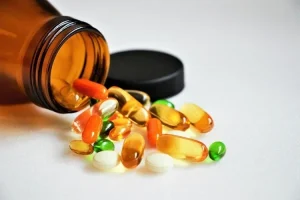
Natural supplements for menstrual health can ease discomfort, balance hormones, and promote regular cycles, enhancing overall well-being. Menstrual irregularities affect up to 30% of women globally, per the World Health Organization (Source). With 75% of women experiencing premenstrual syndrome (PMS), according to the American College of Obstetricians and Gynecologists (Source), targeted supplements offer a natural approach to support cycle health. This article explores the best natural supplements for menstrual health, their benefits, and practical ways to incorporate them for optimal results.
Understanding Menstrual Health and Supplements
The menstrual cycle, averaging 28 days, involves hormonal fluctuations that regulate ovulation and menstruation. Imbalances in estrogen, progesterone, or cortisol can lead to irregular periods, PMS, or cramps. Natural supplements for menstrual health provide nutrients or herbs that support hormone balance, reduce inflammation, and alleviate symptoms like bloating or mood swings.
Natural supplements for menstrual health promote:
- Hormone Balance: Regulate estrogen and progesterone for regular cycles (Source).
- PMS Relief: Reduce mood swings, cramps, and bloating.
- Cycle Regularity: Support ovulation and consistent periods.
- Overall Wellness: Enhance energy, mood, and reproductive health.
These mechanisms make supplements a valuable tool for menstrual health.
Why Supplements Matter for Menstrual Health
Natural supplements for menstrual health are essential because they:
- Ease Discomfort: Reduce cramps and PMS symptoms affecting 75% of women (Source).
- Support Fertility: Promote ovulation and cycle regularity for conception.
- Boost Mood and Energy: Address fatigue and irritability during cycles.
- Offer Natural Solutions: Provide alternatives to medications with fewer side effects.
Unlike hormonal therapies, supplements offer gentle, science-backed support when used under guidance.
Best Natural Supplements for Menstrual Health
Below are science-backed natural supplements for menstrual health, with practical tips for incorporation.
1. Magnesium (Cramp Relief and Mood Support)
Magnesium relaxes muscles, reduces cramps, and supports mood, with 310–320 mg daily recommended for women, per the National Institutes of Health (Source).
A 2017 study in Journal of Women’s Health found magnesium reduced PMS symptoms by 30% (Source).
How to Include:
- Take 200–300 mg magnesium citrate or glycinate daily with dinner.
- Eat ¼ cup of pumpkin seeds or almonds (80–100 mg magnesium) daily.
- Add ½ cup of spinach or black beans (60–120 mg magnesium) to meals.
- Aim for 2–3 servings of magnesium-rich foods or a supplement.
2. Omega-3 Fatty Acids (Anti-Inflammatory)
Omega-3s reduce inflammation and menstrual pain, with 500–1,000 mg EPA/DHA daily recommended, per a 2018 study in Nutrients (Source).
The study showed omega-3s reduced menstrual pain by 25–35%.
How to Include:
- Take 500 mg fish oil or algae-based omega-3 supplement daily.
- Eat 3–4 oz of salmon or mackerel (1,000–1,500 mg omega-3s) 2–3 times weekly.
- Add 1–2 tbsp of flaxseeds or chia seeds (1,500–2,500 mg ALA) to smoothies.
- Aim for 2–3 servings of omega-3-rich foods or a supplement.
3. Vitamin B6 (Mood and Bloating)
Vitamin B6 supports serotonin production, reducing mood swings and bloating, with 1.3–2 mg daily recommended, per the NIH (Source).
A 2019 study in Journal of Obstetrics and Gynaecology found B6 reduced PMS symptoms by 40% (Source).
How to Include:
- Take 25–50 mg vitamin B6 supplement daily, as directed by a doctor.
- Eat 1–2 bananas (0.4–0.7 mg B6) daily for breakfast or snacks.
- Add 3–4 oz of chicken or salmon (0.5–1 mg B6) to meals.
- Aim for 2–3 servings of B6-rich foods or a supplement.
4. Chasteberry (Vitex Agnus-Castus) (Hormone Balance)
Chasteberry regulates prolactin and progesterone, supporting cycle regularity and reducing PMS.
A 2018 study in Phytotherapy Research found chasteberry reduced PMS symptoms in 60% of women (Source).
How to Include:
- Take 20–40 mg chasteberry extract daily, preferably in the morning.
- Use standardized capsules or tinctures for consistent dosing.
- Cycle use (e.g., 3 months on, 1 month off) under medical guidance.
- Avoid if on dopamine-related medications.
5. Evening Primrose Oil (PMS Relief)
Evening primrose oil (EPO), rich in gamma-linolenic acid (GLA), reduces breast tenderness and PMS discomfort.
A 2019 study in Journal of Reproductive Medicine found EPO reduced PMS severity by 30% (Source).
How to Include:
- Take 500–1,000 mg EPO capsules daily with meals.
- Choose cold-pressed, high-GLA (8–10%) products.
- Start with 500 mg to assess tolerance, increasing as needed.
- Aim for consistent use during the luteal phase (days 14–28).
6. Zinc (Hormone Regulation)
Zinc supports hormone balance and reduces acne or inflammation during cycles, with 8–11 mg daily recommended.
A 2018 study in Dermatology Research and Practice found zinc reduced menstrual-related acne by 25% (Source).
How to Include:
- Take 15–30 mg zinc citrate or gluconate daily with food.
- Eat ¼ cup of pumpkin seeds or cashews (2–3 mg zinc) daily.
- Add ½ cup of chickpeas or lentils (1–2 mg zinc) to meals.
- Aim for 2–3 servings of zinc-rich foods or a supplement.
7. Iron (Energy and Blood Health)
Iron prevents anemia, common during heavy periods, with 18 mg daily recommended, per the NIH (Source).
A 2017 study in Nutrients found iron supplementation improved energy in 50% of women with heavy periods (Source).
How to Include:
- Take 10–15 mg iron bisglycinate daily with vitamin C, if needed.
- Eat 3–4 oz of lean beef or turkey (2–3 mg iron) 2–3 times weekly.
- Add ½ cup of spinach or fortified cereal (2–5 mg iron) to meals.
- Pair with citrus for absorption; avoid with calcium supplements.
8. Vitamin D (Mood and Cycle Regulation)
Vitamin D supports mood and may regulate cycles, with 600–800 IU daily recommended, per the NIH (Source).
A 2018 study in Journal of Endocrinology linked vitamin D to improved cycle regularity (Source).
How to Include:
- Take 800–2,000 IU vitamin D3 daily, based on blood levels.
- Eat 3–4 oz of salmon or mackerel (400–600 IU) 2–3 times weekly.
- Add ½ cup of fortified orange juice (100 IU) daily.
- Get 10–15 minutes of sunlight 3–4 times weekly.
9. Probiotics (Gut-Hormone Connection)
Probiotics balance gut microbiota, supporting hormone detoxification and reducing PMS-related bloating.
A 2019 study in Nutrients found probiotics improved PMS symptoms in 70% of women (Source).
How to Include:
- Take a 10–20 billion CFU probiotic supplement daily with food.
- Eat ½–1 cup of plain Greek yogurt or kefir daily.
- Add ¼ cup of sauerkraut or kimchi to meals.
- Aim for 1–2 servings of probiotic-rich foods or a supplement.
10. Ginger (Cramp and Nausea Relief)
Ginger reduces menstrual cramps and nausea, with a 2018 study in Pain Medicine showing a 25% reduction in pain (Source).
How to Include:
- Take 250–500 mg ginger capsules 1–2 times daily during menstruation.
- Brew 1–2 cups of ginger tea with 1 tsp grated ginger daily.
- Add ½–1 tsp of ginger to smoothies or soups.
- Limit to 1–2 g daily to avoid digestive upset.
How to Implement Natural Supplements for Menstrual Health
To effectively use natural supplements for menstrual health, follow these practical tips:
1. Build a Menstrual-Friendly Plate
Aim for a plate that’s:
- 50% Vegetables/Fruits: Spinach, berries, broccoli.
- 25% Lean Protein: Salmon, lentils, chicken.
- 25% Whole Grains: Quinoa, oats, or brown rice.
- Healthy Fats: Avocado, walnuts, or olive oil.
2. Plan Supplement-Supported Meals
- Breakfast: Greek yogurt with berries, flaxseeds, and oats + vitamin B6 supplement.
- Lunch: Salmon salad with spinach, quinoa, and olive oil + magnesium supplement.
- Dinner: Grilled chicken, roasted broccoli, and lentils with ginger + omega-3 supplement.
- Snacks: Pumpkin seeds, an orange, or a smoothie with chia seeds.
3. Time Supplement Intake
- Take magnesium or ginger at night to ease cramps and promote sleep.
- Consume omega-3s or zinc with meals for better absorption.
- Use chasteberry or EPO in the morning to align with hormonal rhythms.
- Take probiotics with breakfast to support gut health.
4. Track Menstrual Health Progress
- Monitor cycle regularity, PMS symptoms, and energy over 2–3 months.
- Use a period tracker app to log symptoms and supplement effects.
- Note changes in cramps, mood, or acne in a journal.
- Consult a gynecologist for persistent irregularities or severe symptoms.
Sample 7-Day Plan for Natural Supplements for Menstrual Health
Here’s a 7-day plan to support natural supplements for menstrual health, focusing on the luteal phase (days 14–28), when PMS is common. Daily calories range from 1,600–1,900.
- Monday:
- Breakfast: Greek yogurt (1 cup) with blueberries, 1 tbsp chia seeds + oats + 25 mg B6 – 350 calories, probiotics.
- Snack: 1 orange + ¼ cup pumpkin seeds (150 calories, zinc).
- Lunch: Salmon salad (4 oz salmon, 2 cups spinach, olive oil) + ½ cup quinoa + 500 mg omega-3 – 400 calories, omega-3s.
- Snack: ½ cup cucumber with hummus (100 calories, hydration).
- Dinner: Grilled chicken (4 oz), roasted broccoli (1 cup), lentils (½ cup) + 200 mg magnesium – 400 calories, magnesium.
- Drinks: 2.5 liters water, 1 cup ginger tea.
- Notes: Track PMS symptoms.
- Tuesday:
- Breakfast: Smoothie (1 cup kale, ½ banana, 1 tbsp flaxseeds, almond milk) + ½ cup yogurt + 20 mg chasteberry – 350 calories, probiotics.
- Snack: 1 apple + ¼ cup almonds (150 calories, magnesium).
- Lunch: Beef stir-fry (4 oz beef, 1 cup broccoli, olive oil) + ½ cup quinoa + 15 mg zinc – 400 calories, iron.
- Snack: ¼ cup sauerkraut (80 calories, probiotics).
- Dinner: Baked cod (4 oz), sautéed spinach (1 cup), sweet potato (½ cup) + 500 mg EPO – 400 calories, vitamin D.
- Drinks: 2.5 liters water, 1 cup ginger tea.
- Notes: Monitor mood swings.
- Wednesday:
- Breakfast: Oatmeal (½ cup oats, ½ cup strawberries, 1 tbsp chia seeds) + almond milk + 25 mg B6 – 350 calories, fiber.
- Snack: 1 pear + ¼ cup cashews (150 calories, zinc).
- Lunch: Tofu salad (½ cup tofu, 2 cups kale, avocado) + ½ cup quinoa + 10 billion CFU probiotic – 400 calories, probiotics.
- Snack: ½ cup carrots with hummus (100 calories, fiber).
- Dinner: Turkey (4 oz), roasted zucchini (1 cup), lentils (½ cup) + 200 mg magnesium – 400 calories, magnesium.
- Drinks: 2.5 liters water, 1 cup ginger tea.
- Notes: Check for bloating.
- Thursday:
- Breakfast: Greek yogurt (1 cup) with raspberries, 1 tbsp flaxseeds + oats + 20 mg chasteberry – 350 calories, probiotics.
- Snack: 1 grapefruit + ¼ cup walnuts (150 calories, omega-3s).
- Lunch: Quinoa bowl (1 cup quinoa, 2 cups spinach, olive oil) + ½ cup chickpeas + 500 mg omega-3 – 400 calories, zinc.
- Snack: ½ cup watermelon (100 calories, hydration).
- Dinner: Grilled chicken (4 oz), sautéed broccoli (1 cup), brown rice (½ cup) + 500 mg EPO – 400 calories, protein.
- Drinks: 2.5 liters water, 1 cup ginger tea.
- Notes: Log cramp severity.
- Friday:
- Breakfast: Smoothie (1 cup spinach, ½ banana, 1 tbsp chia seeds, oat milk) + ½ cup yogurt + 25 mg B6 – 350 calories, probiotics.
- Snack: 1 orange + ¼ cup pumpkin seeds (150 calories, zinc).
- Lunch: Salmon salad (4 oz salmon, 2 cups kale, olive oil) + ½ cup quinoa + 15 mg iron – 400 calories, iron.
- Snack: ½ cup cucumber with hummus (100 calories, hydration).
- Dinner: Tofu stir-fry (½ cup tofu, 1 cup broccoli, brown rice) + 200 mg magnesium – 400 calories, magnesium.
- Drinks: 2.5 liters water, 1 cup ginger tea.
- Notes: Monitor energy levels.
- Saturday:
- Breakfast: Oatmeal (½ cup oats, ½ cup blueberries, 1 tbsp flaxseeds) + almond milk + 20 mg chasteberry – 350 calories, fiber.
- Snack: 1 apple + ¼ cup cashews (150 calories, zinc).
- Lunch: Lentil soup (1 cup lentils, 2 cups spinach, olive oil) + ½ cup quinoa + 10 billion CFU probiotic – 400 calories, probiotics.
- Snack: ¼ cup sauerkraut (80 calories, probiotics).
- Dinner: Baked cod (4 oz), sautéed kale (1 cup), sweet potato (½ cup) + 500 mg EPO – 400 calories, vitamin D.
- Drinks: 2.5 liters water, 1 cup ginger tea.
- Notes: Track cycle regularity.
- Sunday:
- Breakfast: Greek yogurt (1 cup) with strawberries, 1 tbsp chia seeds + oats + 25 mg B6 – 350 calories, probiotics.
- Snack: 1 pear + ¼ cup walnuts (150 calories, omega-3s).
- Lunch: Quinoa salad (1 cup quinoa, 2 cups broccoli, olive oil) + ½ cup chickpeas + 500 mg omega-3 – 400 calories, zinc.
- Snack: ½ cup watermelon (100 calories, hydration).
- Dinner: Turkey (4 oz), roasted spinach (1 cup), lentils (½ cup) + 200 mg magnesium – 400 calories, magnesium.
- Drinks: 2.5 liters water, 1 cup ginger tea.
- Notes: Check PMS improvement.
This plan delivers 1,600–1,900 calories daily, supporting natural supplements for menstrual health consistently.
Additional Lifestyle Tips for Menstrual Health
Natural supplements for menstrual health are enhanced by lifestyle changes:
- Stay Hydrated: Drink 2–3 liters of water daily to reduce bloating and support hormone balance (Source).
- Exercise Regularly: Engage in 150 minutes of moderate exercise (e.g., yoga, walking) weekly to reduce cramps and stress (Source).
- Prioritize Sleep: Aim for 7–9 hours nightly to regulate hormones and mood (Source).
- Manage Stress: Practice 10–20 minutes of meditation or deep breathing daily to lower cortisol (Source).
- Track Cycles: Use a period tracker to monitor symptoms and identify patterns.
- Limit Caffeine/Alcohol: Cap caffeine at 200 mg and alcohol at 1 drink daily to avoid hormone disruption (Source).
Safety and Considerations
Natural supplements for menstrual health are safe for most, but consider:
- Supplement Interactions: Chasteberry may interact with dopamine-related drugs; avoid if on such medications (Source).
- Allergies: Discontinue fish oil, nuts, or herbs if allergic reactions (e.g., rash) occur.
- Medical Conditions: Those with bleeding disorders or thyroid issues should consult a doctor before using omega-3s or ginger (Source).
- Pregnancy/Breastfeeding: Avoid chasteberry or high-dose supplements unless approved by a doctor.
- Overdosing Risks: Excess iron (>45 mg/day) or vitamin B6 (>100 mg/day) may cause toxicity; follow recommended doses.
Consult a gynecologist or dietitian before starting supplements, especially if you have health conditions or take medications.
Supplements vs. Other Menstrual Health Strategies
While natural supplements for menstrual health focus on nutrition and herbs, other approaches like hormonal therapy or pain relievers may be considered:
- Supplements: Address root causes (e.g., hormone imbalance); best for mild symptoms.
- Hormonal Therapy: Birth control regulates cycles but may cause side effects (Source).
- Pain Relievers: NSAIDs reduce cramps but don’t address hormonal causes.
- Example: Magnesium and chasteberry ease PMS, while birth control targets irregular cycles.
Supplements are the foundation, with other treatments as complements for severe cases.
Potential Challenges and Solutions
Using natural supplements for menstrual health may present challenges. Here’s how to overcome them:
- Challenge: Cost: High-quality supplements or organic foods can be expensive.
- Solution: Opt for affordable foods like lentils, spinach, or generic supplements.
- Challenge: Taste: Ginger or fish oil may be unpalatable.
- Solution: Use capsules or mix into smoothies; choose flavored omega-3s.
- Challenge: Time: Preparing nutrient-rich meals is time-consuming.
- Solution: Batch-cook quinoa or soups; use pre-washed greens.
- Challenge: Slow Results: Symptom relief may take 1–3 months.
- Solution: Track progress with a journal; stay consistent.
Future Directions in Menstrual Health Research
Research into natural supplements for menstrual health is advancing:
- Personalized Supplementation: Genetic testing may tailor nutrient doses for PMS relief (Source).
- Herbal Innovations: New herbs like ashwagandha are being studied for hormonal balance.
- Gut-Hormone Axis: Probiotics’ role in PMS and cycle regulation is emerging.
- Nutrient Timing: Optimal timing (e.g., luteal phase dosing) is under investigation.
These advancements could refine supplement strategies for menstrual health.
Practical Example: Supplements in Action
Consider Anna, a 32-year-old teacher with irregular cycles and severe PMS. She adopts natural supplements for menstrual health for 3 months:
- Routine: Takes magnesium (200 mg), omega-3 (500 mg), and chasteberry (20 mg) daily; eats yogurt and spinach.
- Diet: Breakfast smoothies with kale, berries, and chia seeds; lunches with salmon, quinoa, and broccoli; dinners with chicken, lentils, and ginger.
- Lifestyle: Practices yoga twice weekly, walks 30 minutes daily, and sleeps 8 hours.
- Results: After 3 months, Anna’s cycles become regular, cramps reduce by 50%, and mood swings decrease.
Anna’s experience shows how natural supplements for menstrual health can transform well-being.
Conclusion
Natural supplements for menstrual health, like magnesium, omega-3s, chasteberry, and probiotics, offer a science-backed way to ease PMS, balance hormones, and promote regular cycles. Paired with a nutrient-rich diet, hydration, and stress management, these supplements empower women to navigate their cycles with confidence. Whether you’re addressing cramps or seeking cycle regularity, this approach is a powerful ally.
We’d love to hear from you! Have you tried these supplements for menstrual health, or are you curious about starting? Share your experiences or questions in the comments below—we’re excited to keep the conversation going! Please note that this article is for informational purposes only and does not constitute medical advice. Always consult a healthcare professional or gynecologist before starting any supplement or making significant dietary changes.